




Antique Carved Netsuke
Antique carved netsuke are miniature Japanese toggles shaped from wood and stag antler to secure traditional garments, prized for their intricate detail and tactile forms.
Antique Carved Netsuke
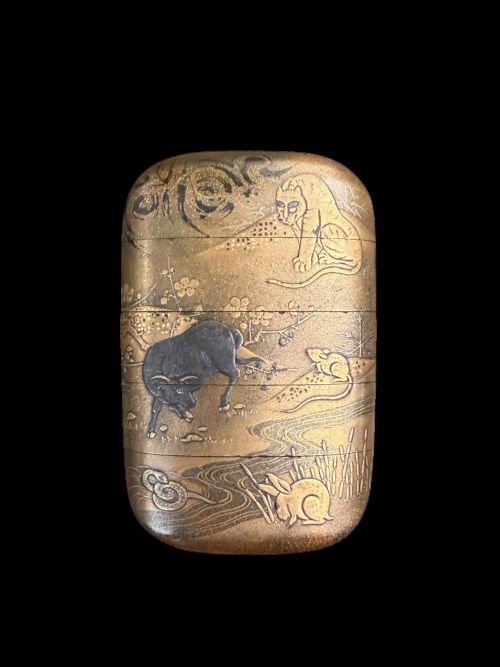
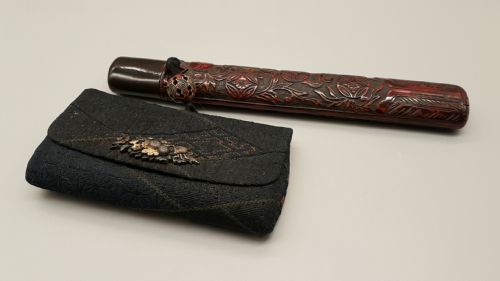
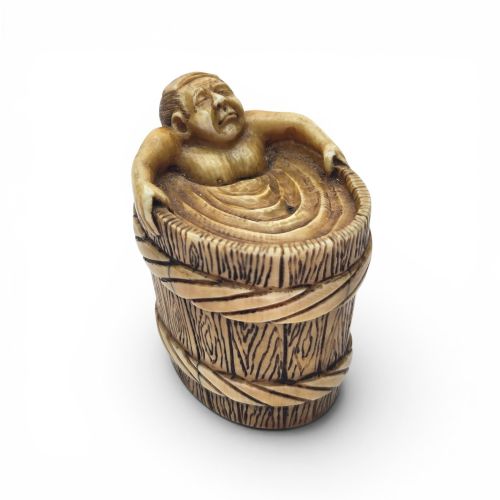
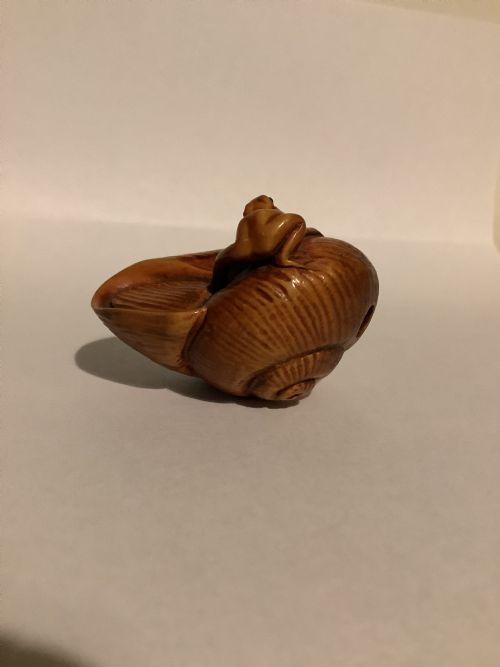
These antique carved netsuke encompass intricate figural sculptures, animal studies, and manju forms originating primarily from the Edo and Meiji periods. Buyers encounter small, handheld carvings depicting subjects such as the deity Ebisu, Daruma, toads, cats, and clustered nuts designed to fasten personal containers like inro and tobacco pouches.
The selections span boxwood, exotic wood, and stag antler, occasionally accompanied by related Japanese items like smoking ensembles and lacquer inro. Dating ranges across the nineteenth century into the Taisho period, reflecting traditional Japanese craftsmanship suited for portable utility.
How they were made
Carvers shaped these objects primarily from boxwood, exotic wood, and stag antler, utilising manual cutting and carving techniques to achieve tactile surfaces. Artisans frequently integrated natural grains and contours of the material into the composition of figures and animals.
Certain pieces incorporate supplementary elements such as gold leaf, lacquer finishes, and champleve cloisonne enamel to augment visual contrast. Signatures carved directly into the material indicate individual maker attribution or workshop origin.
A curled cat and a toad sit patiently among the menagerie, proving that nineteenth-century carvers appreciated a good animal companion just as much as we do.
What varies in quality
The presence of a clear signature by recognised carvers such as Tomochika or Masayuki alters the standing of a piece within the field. Preservation of the original surface patina and absence of intrusive restoration determine the physical integrity of surviving items.
Tomochika·Masayuki
The Antique Carved Netsuke Glossary
- Netsuke
- A small carved toggle fastened to the end of a cord to suspend a container from a kimono sash. These objects served a practical daily purpose in traditional Japanese dress.
- Inro
- A traditional multi-tiered case for carrying small valuables, suspended alongside netsuke by a cord. They appear frequently in lacquer and metal finishes.
- Manju
- A flat, rounded disk style of netsuke often carved in relief or decorated with enamel. This form resembles a traditional Japanese sweet.
- Okimono
- A standalone display figurine rather than a functional toggle, sharing similar artistic themes and carving methods. These decorative sculptures sit on flat surfaces.
- Ojime
- A small decorative bead threaded on the cord between the netsuke and the inro to secure the compartments. They complement the toggle and container.
Antique Carved Netsuke: Frequently Asked Questions
What is an antique carved netsuke used for?
These pieces functioned as traditional Japanese toggles, secured beneath the sash of a kimono to suspend personal containers like tobacco pouches and inro.
Their weight kept the cords in place while the carving remained accessible as a decorative accessory.
How do I identify Edo period pieces?
Edo examples generally display traditional subjects, specific patination from handling, and older carving characteristics associated with nineteenth-century craftsmanship.
Comparing the style and material density against documented Meiji or Taisho work helps clarify the date of production.
Are these objects signed by carvers?
Certain examples bear signatures carved directly into the wood or antler, often marking the work of specific artists or recognised workshops.
Signatures add historical context but should be evaluated alongside the overall quality of the carving.
How should I care for wood carvings?
Keep wooden and antler items away from direct sunlight and sudden humidity shifts to protect the natural material from splitting.
Handling the objects gently allows the natural oils from touch to maintain the historic patina over time.