

Antique Carved Mould
These pieces of antique carved mould offer tactile relief and architectural depth, bringing centuries of skilled joinery into modern rooms.
Antique Carved Mould
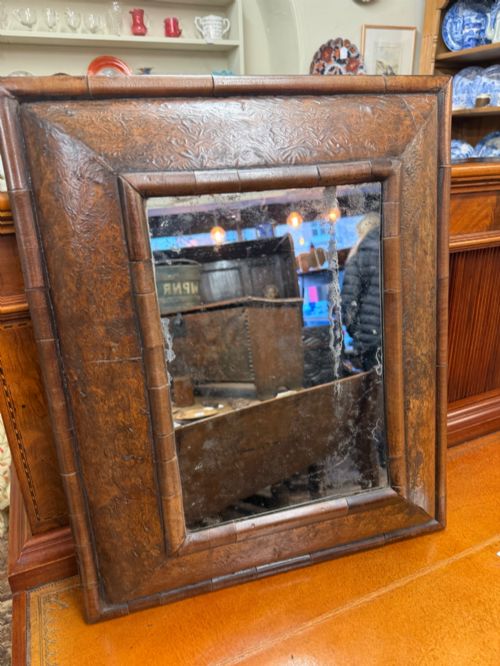
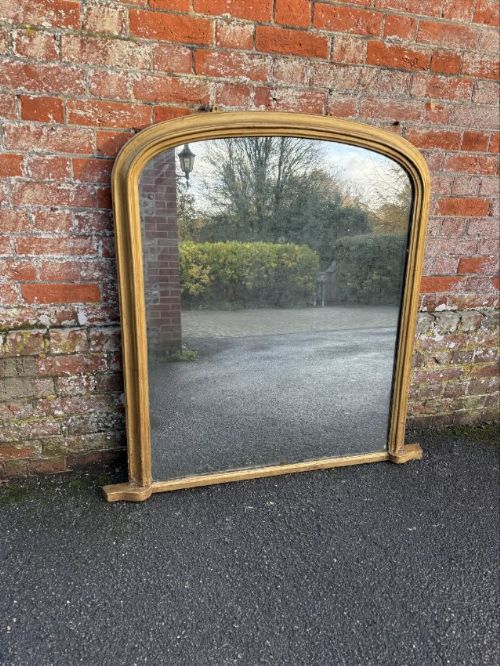
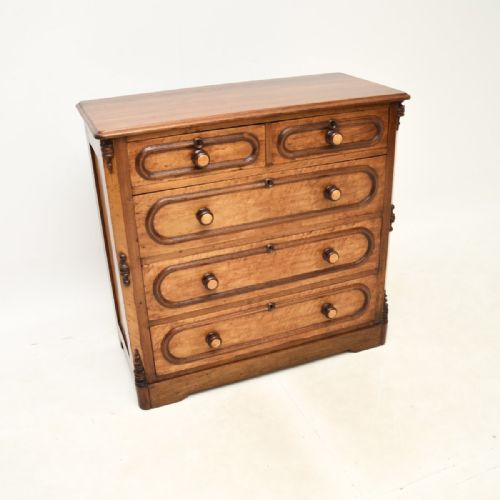
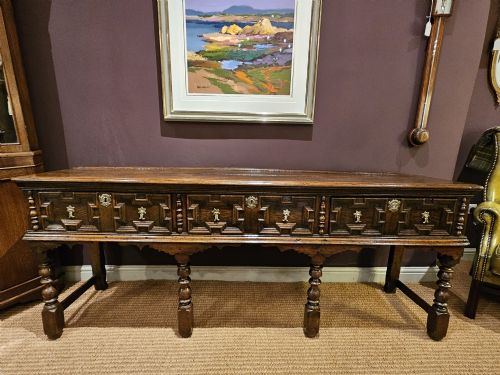
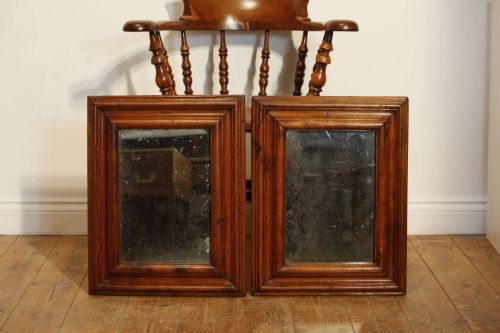
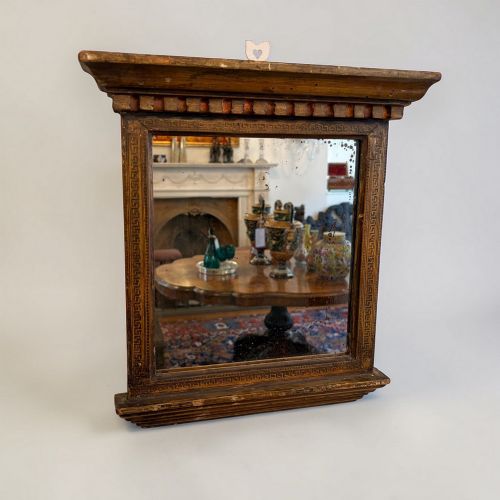
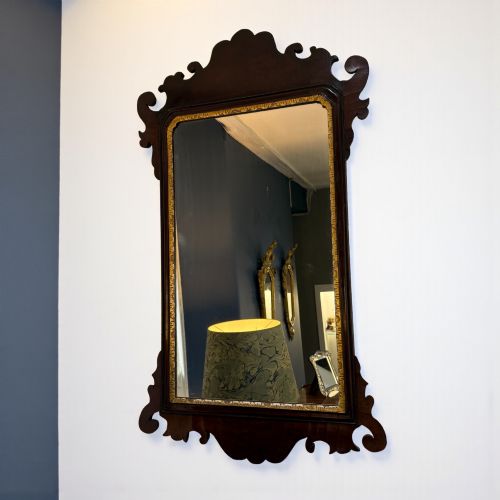
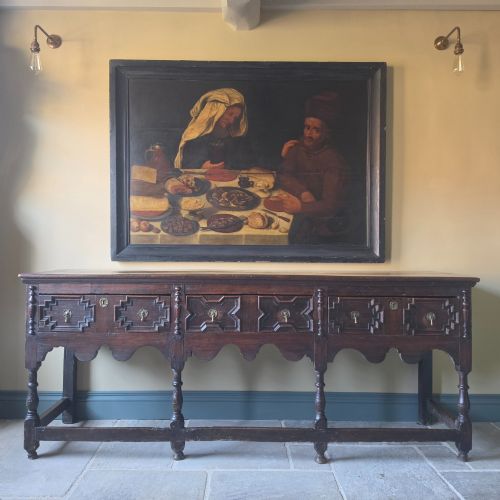
When you search for an antique carved mould, you encounter architectural woodwork and framed surrounds shaped by hand centuries ago. The selections here centre on seventeenth-century oak furniture featuring geometric drawer fronts and nineteenth-century gilded mirrors framed in carved wood and gesso.
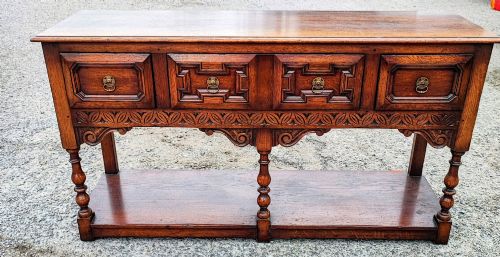
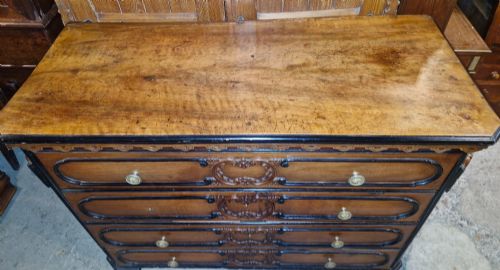
The dominant forms are seventeenth-century oak chests of drawers displaying intricate geometric mouldings alongside nineteenth-century wall mirrors and picture frames finished in gold leaf and giltwood. Dresser bases and architectural salvage also appear, representing the heavier utilitarian forms of earlier periods.
Buyers meet sturdy walnut and oak timber constructions from the seventeenth century, contrasted with lighter pine and giltwood from the Victorian and Edwardian eras. These items served as functional storage or decorative wall pieces, built to anchor domestic interiors.
How they were made
Cabinet makers utilised solid oak and walnut for seventeenth-century pieces, employing hand chisels and planes to create deep geometric panel profiles and applied mouldings. Timber was selected for grain alignment before being worked with traditional joinery joints.
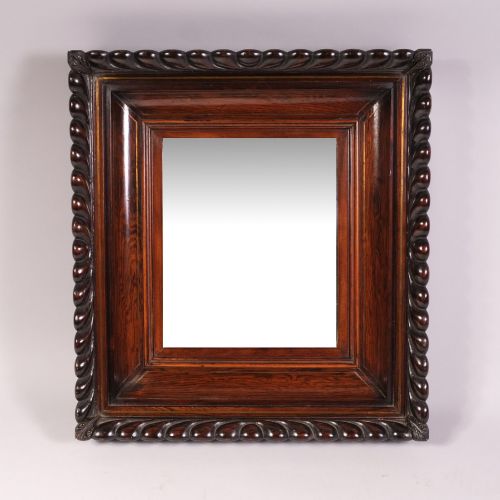
Nineteenth-century items relied on wood carcasses built up with gesso layers, which were then carved, moulded and coated in gold leaf or gilt finish. Ripple frames required specialist cutting techniques to achieve undulating wooden patterns surrounding mirror glass.
Antique Carved Mould Retail Price Guide 2026
Typical asking prices for carved mould among the pieces listed under this phrase on Sellingantiques today, from the lower quarter to the upper quarter. They describe what is for sale here now, not the wider market.
Listings span from the seventeenth century through to the nineteen-twenties, incorporating oak, walnut, brass, glass, and gold leaf.
What varies in quality
The crispness of the hand-carved detail distinguishes superior examples from softer, worn pieces. Deeply undercut mouldings and sharp geometric facets reflect higher technical skill during manufacture.
Surface preservation dictates the standing of an item. Original brasses, intact gold leaf without excessive restoration, and stable timber substrates command greater appreciation among collectors.
The Antique Carved Mould Glossary
- Geometric moulding
- Applied wooden strips arranged in repeating geometric patterns on drawer fronts. This technique was particularly popular during the seventeenth century on oak chests.
- Giltwood
- Timber that has been coated with gold leaf or metallic paint over a prepared gesso base. It provides a reflective, decorative surface on nineteenth-century frames and mirrors.
- Gesso
- A plaster mixture applied to wood frames to create a smooth surface for subsequent carving and gilding. It allows for intricate relief ornamentation.
- Ripple frame
- A picture or mirror frame featuring small, wave-like undulating mouldings machined or carved around the perimeter. These appeared frequently in the nineteenth century.
- Dresser base
- A low sideboard or serving table fitted with drawers, often originating from the seventeenth or eighteenth century. They served as primary storage furniture in domestic spaces.
Antique Carved Mould: Frequently Asked Questions
What is a geometric mould?
A geometric mould consists of small wooden pieces applied to drawer fronts and panels in repeating mathematical patterns. These designs created visual texture on seventeenth-century oak furniture.
Cabinet makers used this technique to add depth to otherwise plain surfaces without relying on pictorial carving.
How do I date a carved wooden frame?
Dating relies on examining the underlying wood, the composition of the gesso layer, and the style of the carving. Seventeenth-century examples show heavy oak construction, while nineteenth-century pieces utilise softer woods beneath gilt finishes.
Tool marks and assembly methods also help determine whether a frame belongs to the Jacobean, Georgian, or Victorian period.
Where should I place an antique mirror?
Antique mirrors with carved gilt frames work well above mantelpieces or as standalone focal points in hallways and reception rooms. Their reflective glass helps distribute natural light throughout smaller spaces.
Ensure wall fixings can support the substantial weight of seventeenth-century or Victorian timber and gesso constructions.
Are these pieces made from solid oak?
Many early pieces utilise solid oak or walnut timbers, particularly those originating from the seventeenth century. Later nineteenth-century items often combine softer woods with applied gesso and gilt.
Checking the drawer linings and interior construction reveals the primary timbers used by the original maker.