
Antique Carved Mantel
An antique carved mantel search brings together large overmantel mirrors, architectural fireplace surrounds, and timber bracket clocks designed to anchor a period room.
Antique Carved Mantel
The antique carved mantel selection centres predominantly on overmantel mirrors and fireplace surrounds originating from the nineteenth century, alongside mantel clocks housed in architectural wooden cases. These items reflect the domestic interior fashions of Victorian, Edwardian, and Georgian periods, with French chateau and Gothic revival influences appearing frequently.
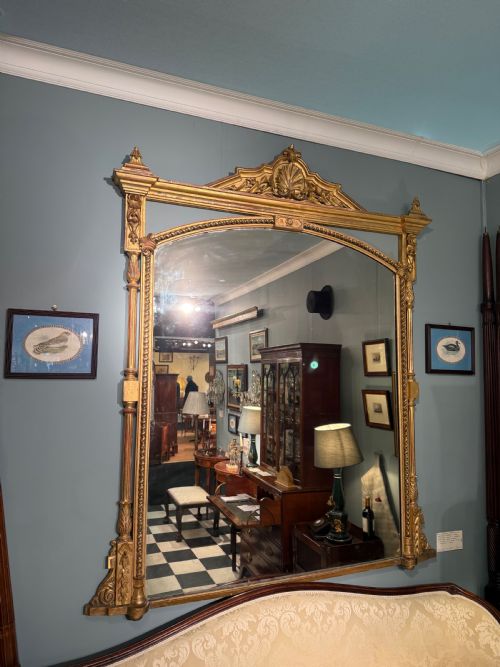
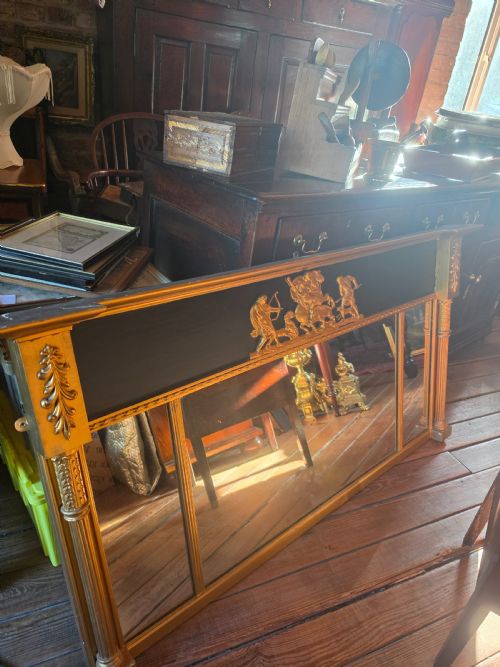
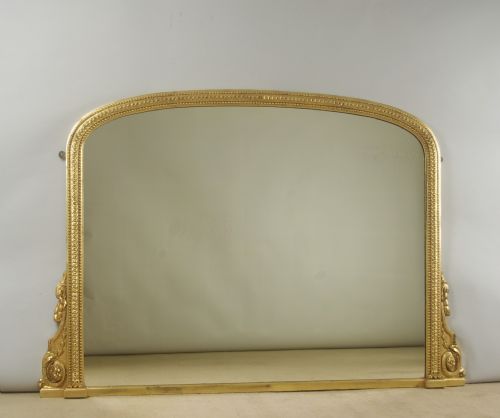
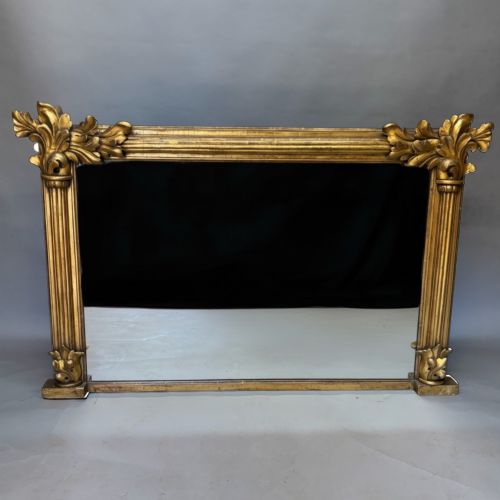
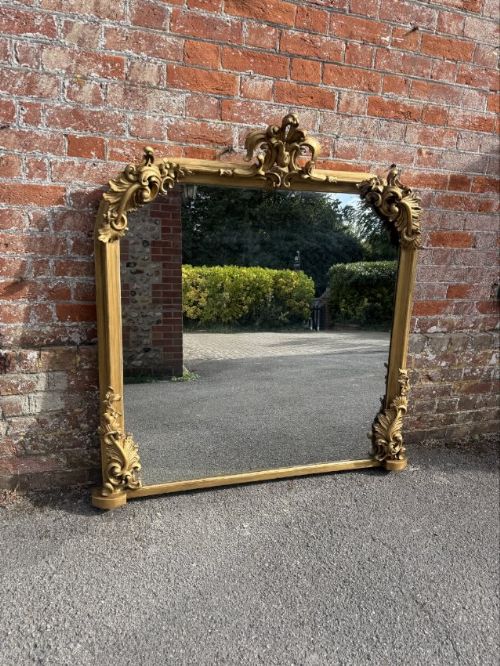
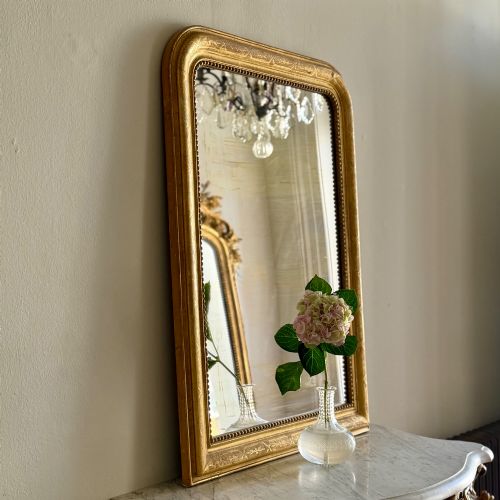
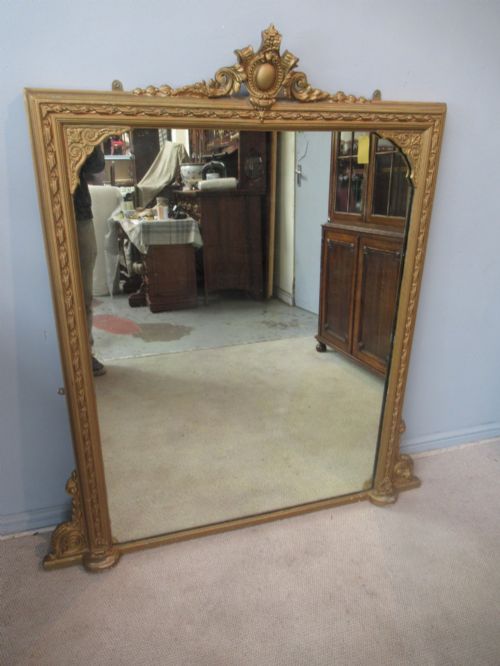
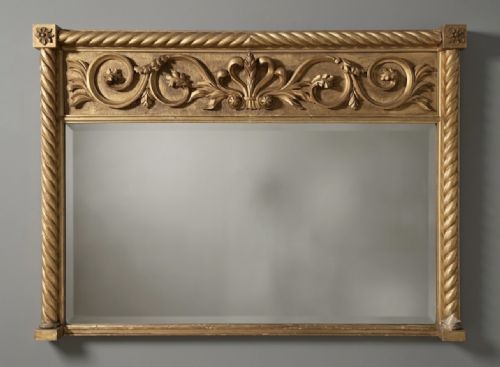
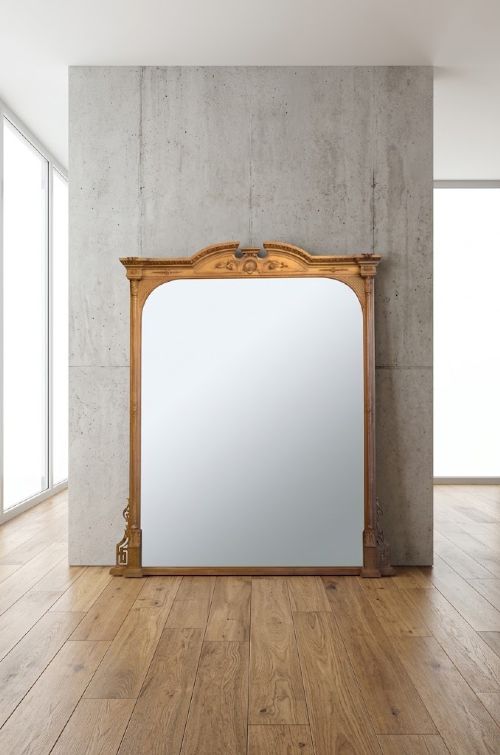
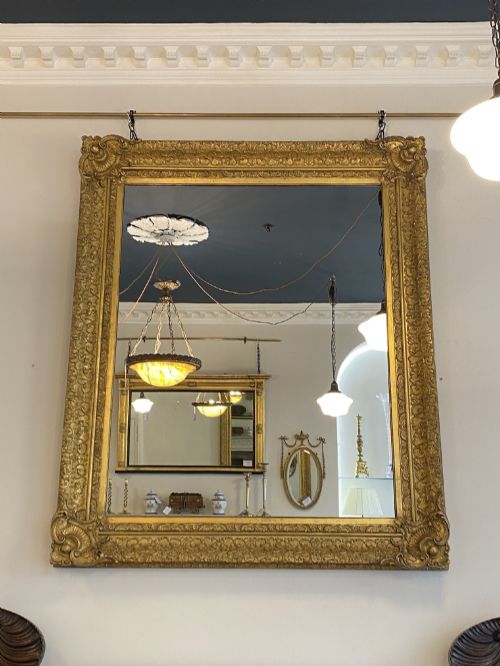
Overmantel mirrors dominate the offerings, built specifically to sit on the chimney breast above a fireplace opening. Such pieces combine carved wood and gesso frames, often finished with gilt or paint, designed to reflect light and fill the vertical space of a chimney breast.
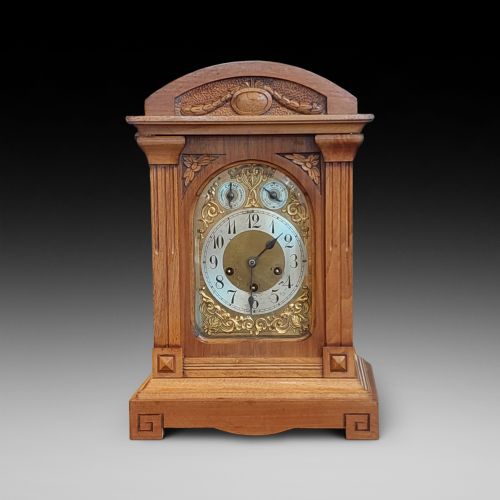
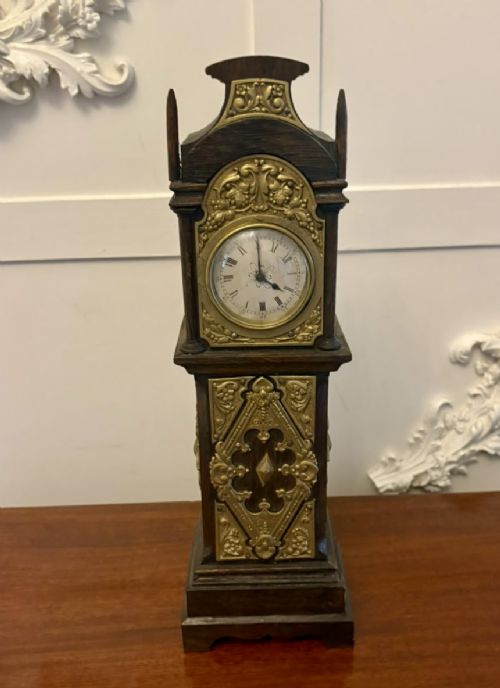
Alongside mirrors, buyers encounter complete fireplace surrounds carved from white marble, pine, or oak, as well as mechanical timepieces with brass or silvered dials. These functional decorative elements stem from periods spanning the eighteenth through to the early twentieth century.
How They Were Made
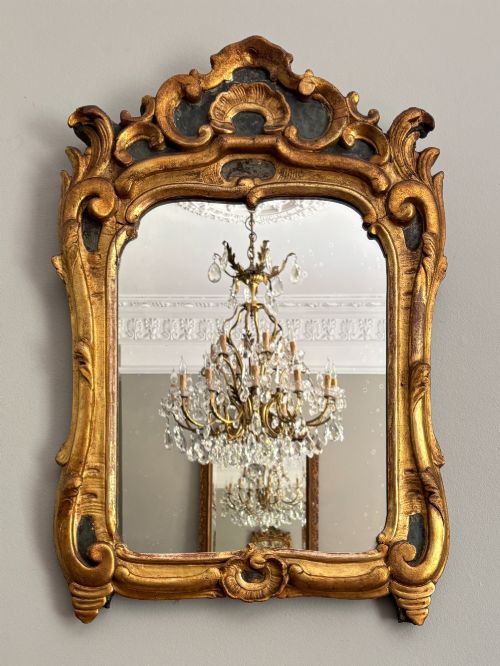
Craftsmen built timber frames using carved wood and applied gesso to build up intricate relief ornamentation before applying gold leaf, giltwood, or paint layers. Mahogany, walnut, pitch pine, and oak served as the primary structural woods for both mirror frames and clock cases.
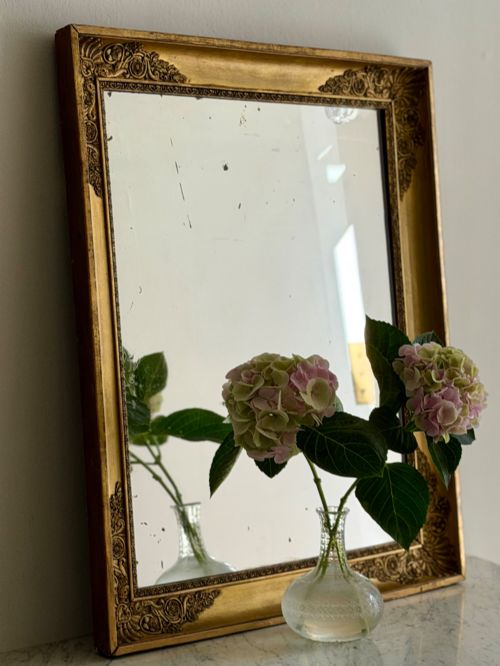
Glass plates were silvered and fitted into housings, sometimes showing original foxing or distortion inherent to early manufacturing methods. Stone surrounds utilised veined Carrara marble or pine, hand-carved with classical motifs, rope twists, or floral pediments.
Listings feature items spanning the Georgian, Victorian, and Edwardian periods, constructed from mahogany, marble, giltwood, and gesso.
What Varies in Quality
The depth and crispness of the hand-carved wooden ornament separate standard production from exceptional examples. Finishes demonstrate variation through the survival of original gold leaf, untouched gesso layers, and the depth of the patination on exposed timber.
Component originality dictates the standing of a piece, particularly the retention of original mirror glass plates, backboards, and matching clock movements such as fusee mechanisms. Architectural proportions and the harmonious integration of carved pediments, pilasters, or crests determine overall visual balance.
H.A.C.·Lenzkirch·George Wadham·Brockbanks and Atkins
The Antique Carved Mantel Glossary
- Gesso
- A plaster mixture applied to wood frames as a base for gilding or painting. It allows intricate moulded relief details to be built up before finishing.
- Overmantel
- A mirror or decorative piece specifically proportioned to hang on the wall directly above a fireplace mantelpiece. These items were essential to nineteenth-century interior design.
- Fusee
- A conical pulley used in clock movements to maintain even driving force as the mainspring unwinds. It represents a mark of quality in period timepieces.
- Giltwood
- Timber that has been coated with thin layers of gold leaf. It provides a luminous surface finish characteristic of formal period furnishings.
- Pier Mirror
- A tall narrow mirror designed to hang on the wall space between two windows. They share stylistic traits with overmantel mirrors from the same eras.
Antique Carved Mantel: Frequently Asked Questions
What is an overmantel mirror?
An overmantel mirror is a large wall mirror specifically designed to sit on the shelf of a fireplace mantel. They were manufactured to reflect light and balance the visual weight of the fireplace below.
These pieces feature horizontal or arched tops and were standard fixtures in Victorian and Georgian reception rooms.
How do I measure for a mantel mirror?
Measure the width of your wooden fireplace shelf and the clear wall space available between the mantel and the ceiling cornice. Overmantel mirrors generally look best when they do not exceed the width of the mantel shelf itself.
Take into account the height of the frame, particularly if the piece incorporates an arched top or heavy carved pediment.
Where did mantel clocks go in a room?
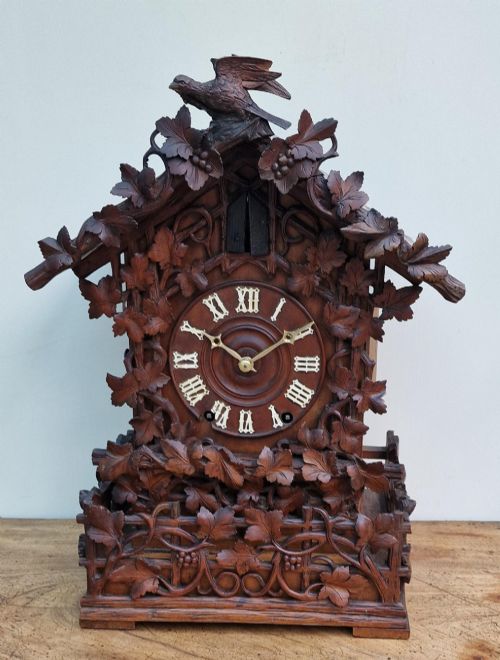
Mantel clocks were placed directly upon the wooden or marble shelf of a fireplace surround or upon a matching bracket attached to the wall. They served as functional timekeepers as well as decorative centrepieces for the room.
Many housed mechanical movements requiring regular winding via a key and a pendulum.
What wood types are common?
Nineteenth-century pieces frequently utilise mahogany, walnut, pitch pine, and oak for structural frames and clock housings. Softer timbers such as pine served as a base for painted finishes or carved fireplace surrounds.
Gesso and giltwood coatings were frequently applied over wooden foundations to achieve ornate metallic surfaces.