

Antique Carved Lamp
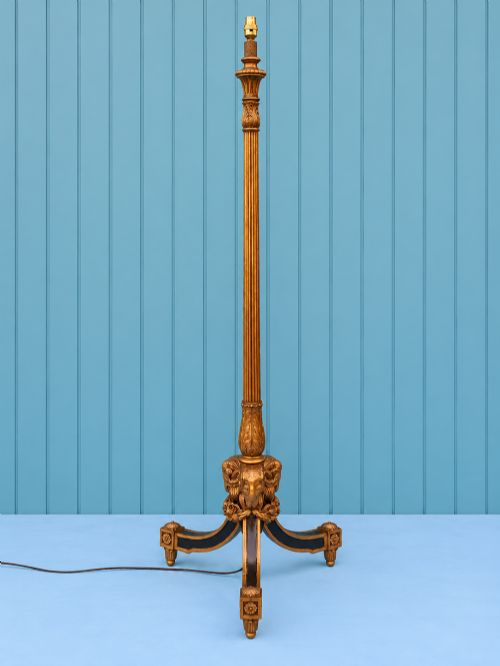
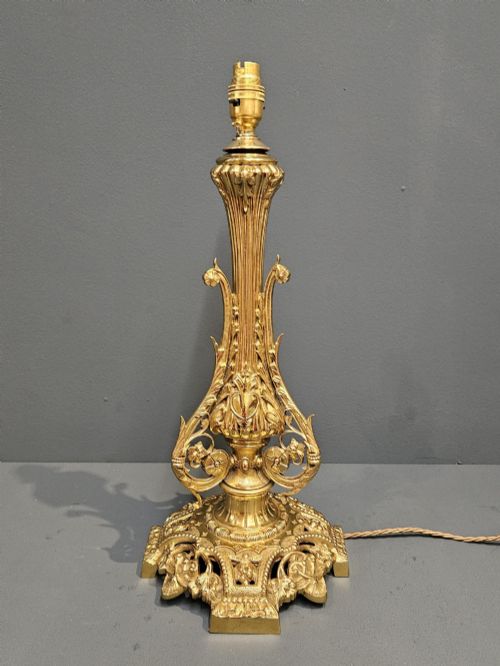
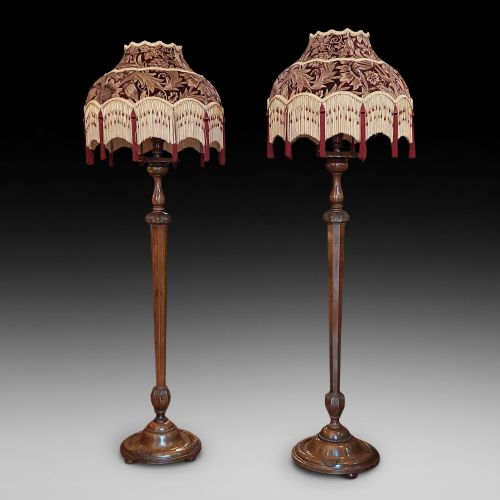
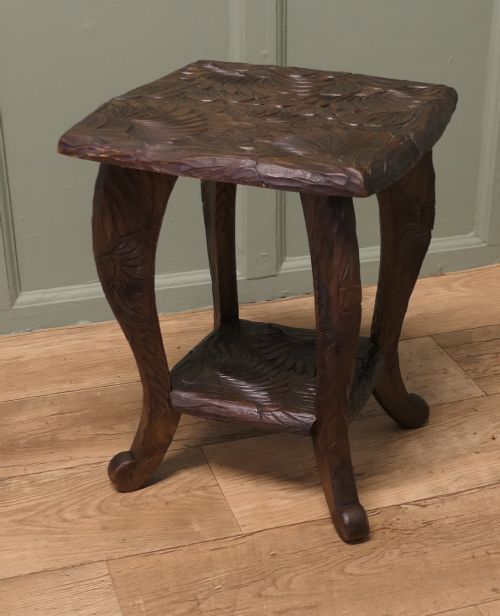
These antique carved lamp examples unite domestic lighting and support with detailed timber and stone work, offering functional surfaces for any room.
Antique Carved Lamp
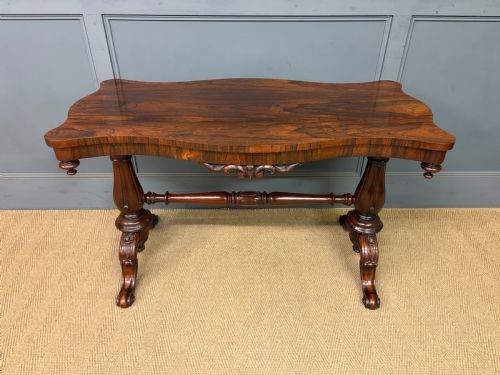
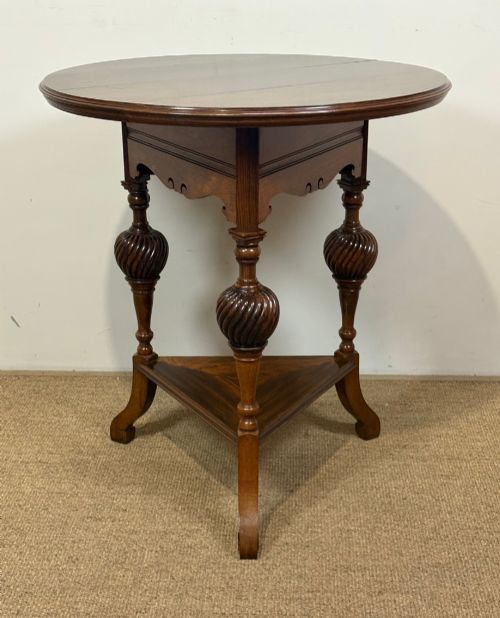
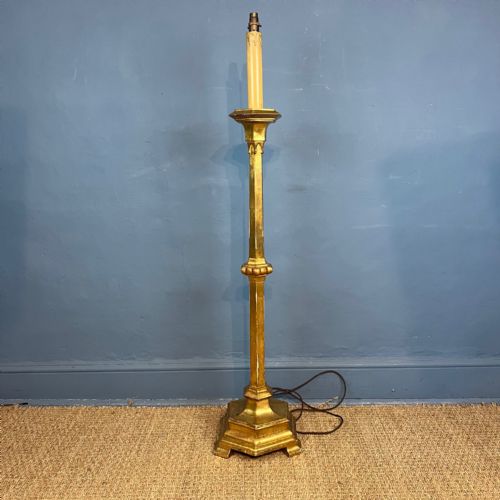
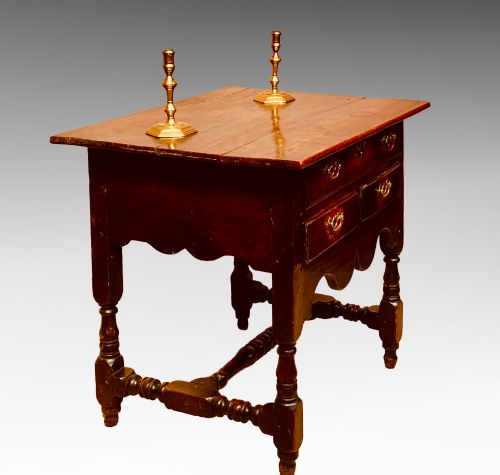
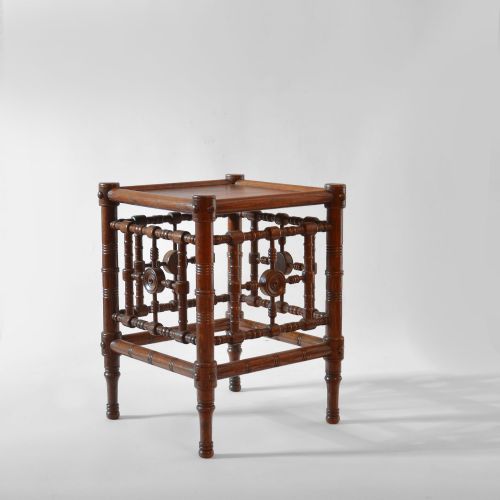
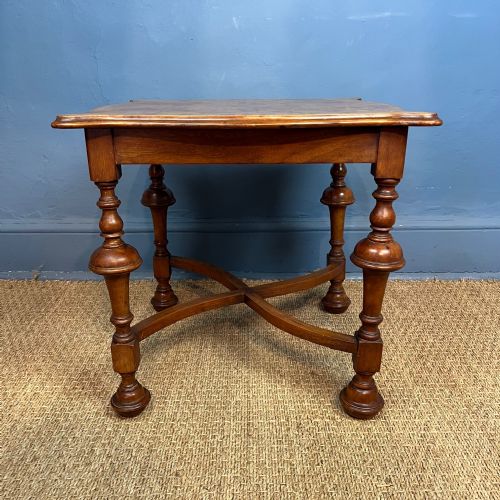
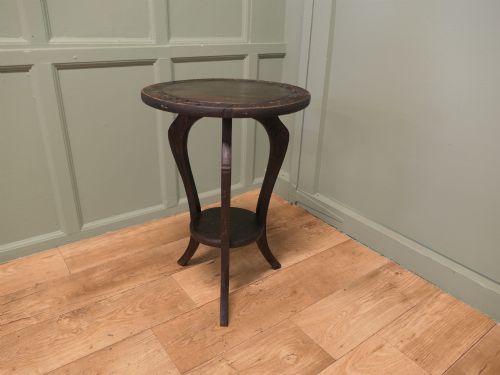
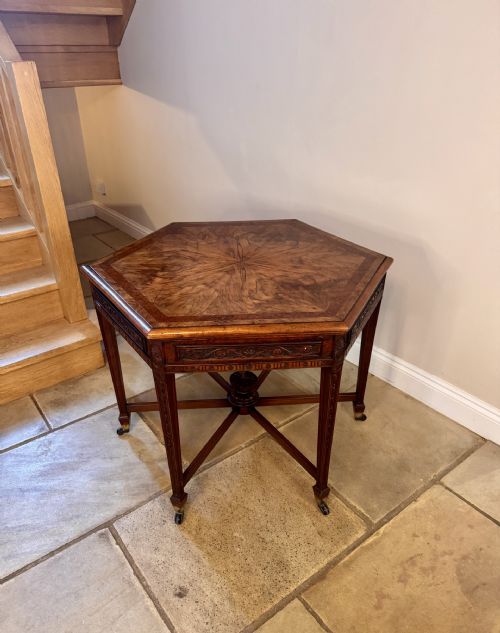
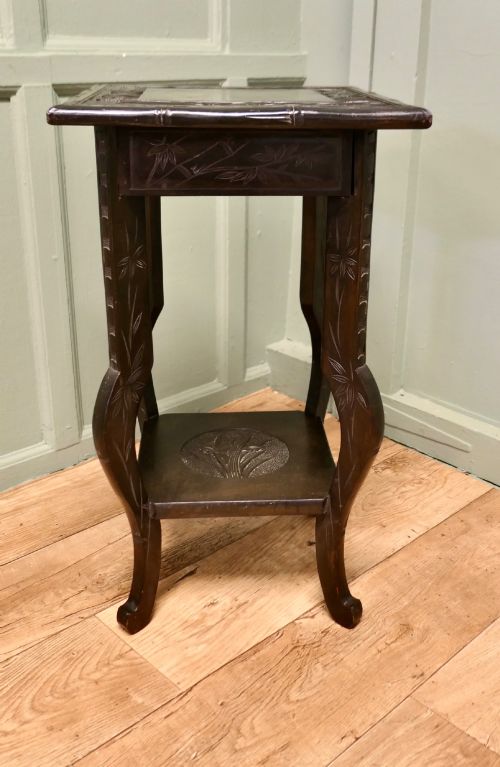
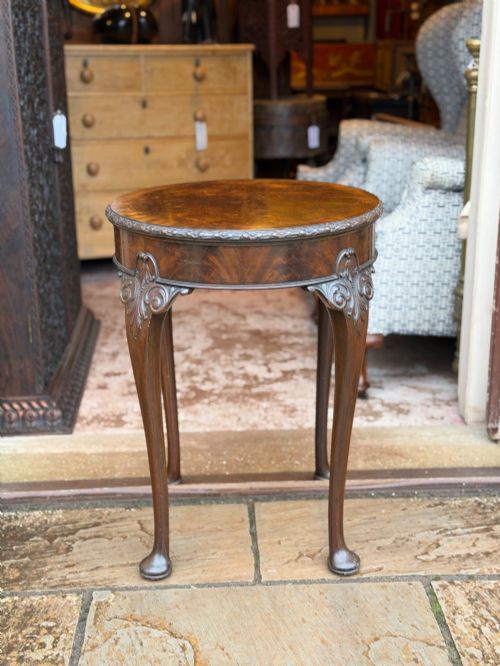
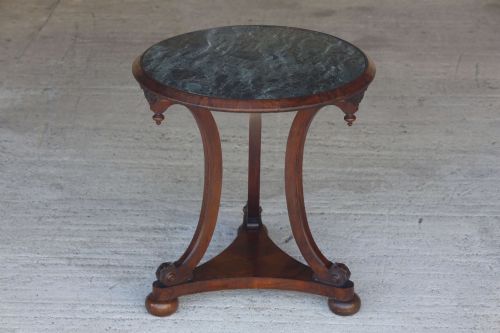
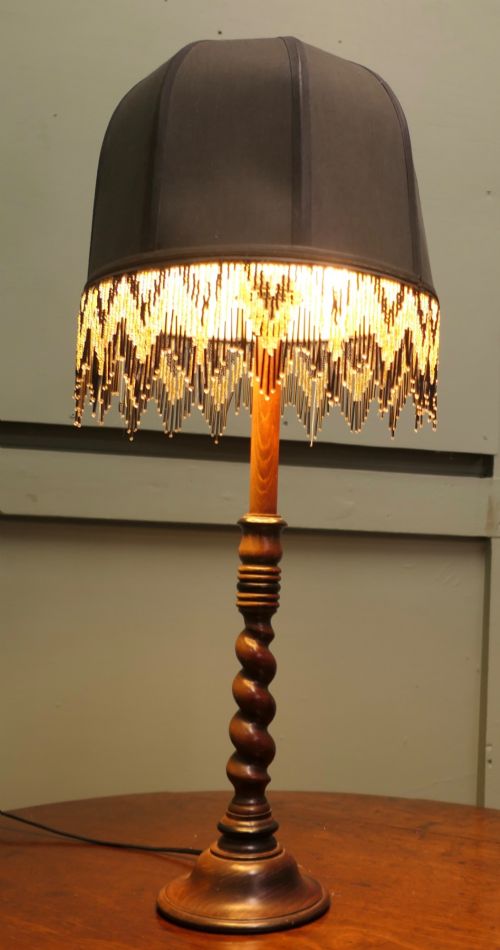
An antique carved lamp brings together illumination and sculptural form, often taking the shape of floor standards, torchere stands, or sturdy table bases designed to hold lighting fixtures. When searching for an antique carved lamp, buyers encounter pieces configured as small occasional tables, pedestals, or dedicated floor lamps that incorporate carved wooden or stone shafts.
The selections span the Victorian and Edwardian eras through the nineteenth century, reflecting periods when domestic lighting required stable, substantial furniture platforms. Timbers such as oak, mahogany, walnut, and teak predominate in the table and pedestal forms, alongside classical materials like alabaster and marble.
Makers and workshops across England, Burma, and Sweden produced these items to serve as functional room lights or companion tables for reading. The forms bridge the gap between lighting hardware and decorative furniture, serving simultaneously as light sources and carved display surfaces.
Materials and construction methods
Cabinet makers and carvers utilised dense hardwoods including oak, mahogany, walnut, and rosewood, shaping them with hand tools to produce barley twists, gadrooned edges, and relief motifs. These timbers provided the necessary structural integrity for tall floor standards and heavy table bases designed to support glass or metal lighting fittings.
Stone elements such as white alabaster and specimen marble appear frequently, turned on lathes or carved into spherical and pillar forms for lamp bodies and tabletops. Gilt metal and pine also feature in specific urn and ewer lighting designs from the nineteenth century.
Joinery techniques relied on traditional pegged mortise and tenon joints for tables and heavy turnings for standards, ensuring stability under the weight of early lamps. Surfaces were finished with wax or polish to highlight the natural grain of pollard oak, burr walnut, and teak.
Antique Carved Lamp Retail Price Guide 2026
Typical asking prices for carved lamp among the pieces listed under this phrase on Sellingantiques today, from the lower quarter to the upper quarter. They describe what is for sale here now, not the wider market.
A dancing alabaster figure balances permanently on a stone sphere.
Distinctions in craftsmanship and design
The standard of carving defines the upper tier of these pieces, separating mechanised production from deep, crisp hand-chisel work on oak and teak elements. Superior examples display balanced proportions, intricate relief detailing on pedestals, and well-integrated timber grain.
Material selection dictates value, with figured burr walnut, pollard oak, and flawless specimen marble indicating higher-status commissions. Inferior specimens rely on plain secondary timbers with minimal surface enrichment and simpler turned supports.
Structural execution also marks the divide, where tight joinery and heavy, stable bases ensure longevity for floor standards and lamp tables. Lesser items suffer from loose joints or poorly balanced proportions that compromise their daily utility.
James Shoolbred·Liberty London·Trevor Page & Co
The Antique Carved Lamp Glossary
- Torchere
- A tall stand designed to carry a light or candle, frequently featuring a carved wooden shaft and a small circular top.
- Barley twist
- A spiral turning resembling a twisted barley sugar stick, commonly executed on table legs and floor lamp standards during the Victorian period.
- Gadrooned edge
- A decorative carved border consisting of convex curves or fluting, often seen on the rims of mahogany and oak table tops.
- Alabaster
- A fine-grained, translucent stone used for sculptural figures, lamp bodies, and hanging light fixtures.
- Occasional table
- A small, movable table intended for specific, intermittent domestic tasks such as supporting a lamp or holding books.
Antique Carved Lamp: Frequently Asked Questions
What is an antique carved lamp table?
An antique carved lamp table is a small occasional or centre table designed specifically to hold a lamp, featuring decorative hand-carved woodwork on the legs, edges, or pillars.
These pieces typically date from the Victorian and Edwardian periods, constructed in timbers such as mahogany, oak, and walnut to match contemporary domestic interiors.
How were torchere stands used historically?
Torchere stands served as elevated platforms for candles or oil lamps to illuminate dark corners or specific seating areas in Victorian and nineteenth-century rooms.
Their tall, slender shafts allowed the light source to project above surrounding furniture while occupying minimal floor space.
How do I identify a Victorian lamp table?
Victorian lamp tables usually exhibit dense hardwoods like mahogany or walnut, often incorporating turned barley twist legs, galleried shelves, or heavy pedestal bases.
They frequently display substantial weight and traditional joinery typical of mid-to-late nineteenth-century cabinet making.
Can these tables support modern lighting?
Most antique lamp tables and floor standards possess the structural stability required to support contemporary electric lamps and weighted bases.
Buyers should ensure the surface area and weight distribution are appropriate for the specific lamp fixture being placed upon the furniture.