





Antique Carved Ivory
These antique carved ivory objects range from intricate netsuke and portrait plaques to delicate etui boxes, prized for their fine detail and historical craftsmanship.
Antique Carved Ivory
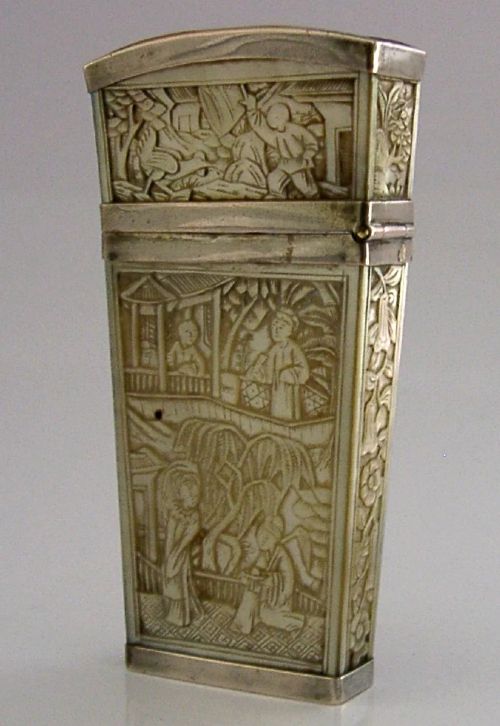
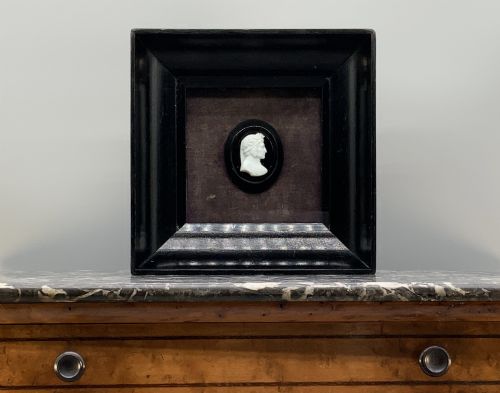
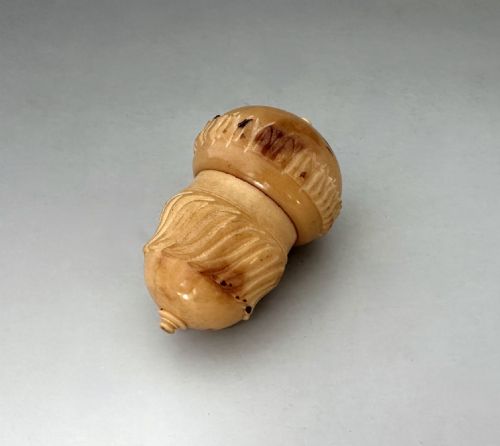
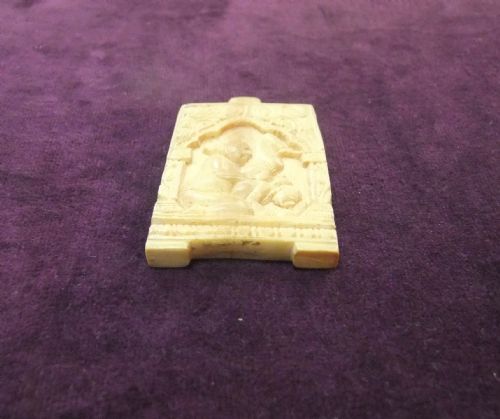
When searching for antique carved ivory, collectors encounter a diverse array of items spanning multiple centuries and global origins. The selection includes delicate portrait plaques from the nineteenth century, intricate Chinese export silver cases, and detailed figural sculptures.
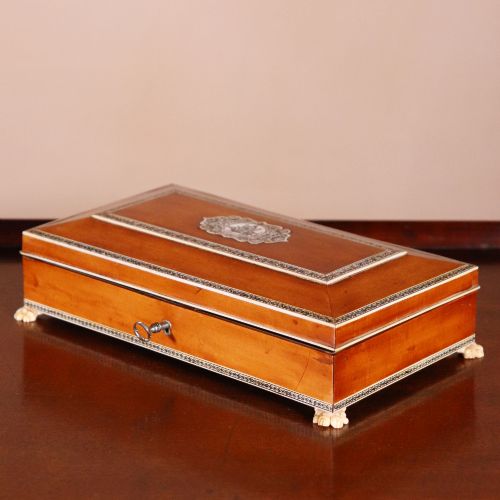
Objects on this page also encompass functional items like writing tables with ivory paintwork, thimble cases, and small boxes. Stylistic influences vary widely, drawing on Neoclassical, Meiji, and German Baroque traditions.
Figural works and sculptural panels, such as Indian Kama Sutra panels and Meiji-era netsuke, represent the sculptural mastery often found in these historical pieces.
Materials and methods
Many items combine organic materials like ivory and bone with supporting structures of walnut, ebony, boxwood, or silver. Artisans utilised skilled inlay and veneering techniques, integrating ivory details into wood and metal surfaces.
Sculptural pieces rely on precise hand-carving methods to achieve high levels of anatomical and textural detail, particularly visible in small-scale figures, plaques, and netsuke.
Antique Carved Ivory Retail Price Guide 2026
Typical asking prices for carved ivory among the pieces listed under this phrase on Sellingantiques today, from the lower quarter to the upper quarter. They describe what is for sale here now, not the wider market.
Listings include items from the 18th, 19th, and 20th centuries, incorporating materials such as ivory, bone, walnut, silver, and wood.
Evaluating quality and execution
The standard of execution in carving defines the superior pieces within this category, separating fluid, highly detailed work from simpler production. Depth of relief, proportion, and the preservation of delicate surface details indicate superior workshop output.
The integration of materials also influences overall quality, particularly where ivory is combined with silver, hardwoods, or specialised textile and glass elements.
Simon Troger·Ferdinand Preiss·Royal Worcester
The Antique Carved Ivory Glossary
- Netsuke
- A small Japanese carved toggle used to secure a pouch or small container to a traditional garment sash.
- Etui
- A small ornamental case designed to hold needles, tweezers, or other small implements.
- Chryselephantine
- A term describing statues made of a combination of bronze and ivory, particularly popular during the early twentieth century.
- Corozo nut
- A dense, hard seed kernel derived from specific palm trees, frequently utilised as a substitute organic carving material resembling ivory.
- Grand Tour
- A cultural journey undertaken by wealthy young Europeans in the eighteenth and nineteenth centuries, often resulting in the acquisition of portrait plaques and small souvenirs.
Antique Carved Ivory: Frequently Asked Questions
How do I identify genuine antique ivory?
Genuine ivory often displays microscopic intersecting lines known as Schreger lines, which form a characteristic crosshatch or engine-turn pattern on cross-sections.
Examining the piece under magnification helps reveal the natural organic grain structure unique to animal tusks rather than synthetic alternatives.
How should I care for carved ivory pieces?
Ivory reacts to changes in humidity and temperature, making stable indoor environmental conditions essential for preventing warping or splitting.
Keep pieces away from direct sunlight and heat sources, avoiding harsh cleaning agents or excessive moisture during maintenance.
What periods do these items date from?
The pieces span multiple historical eras, ranging from eighteenth-century German and Indian works to nineteenth-century Victorian and Edwardian examples.
Twentieth-century items are also represented, including Art Deco chryselephantine sculptures from the nineteen-twenties.
Were these items purely decorative?
While many sculptures, plaques, and netsuke served artistic or decorative purposes, a significant portion had practical functions.
Objects such as etui boxes, writing tables, pot pourri vases, and thimble cases combined ornamental carving with everyday utility.