

Antique Carved Commode
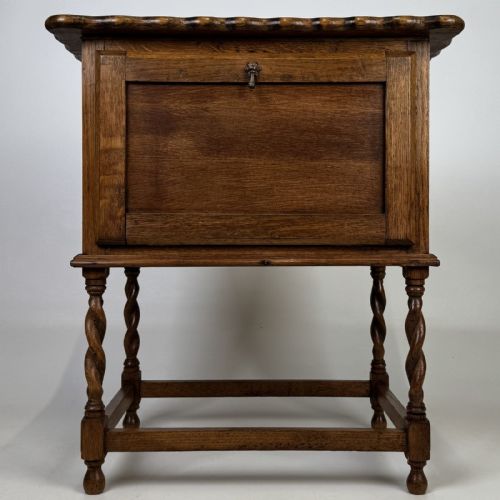
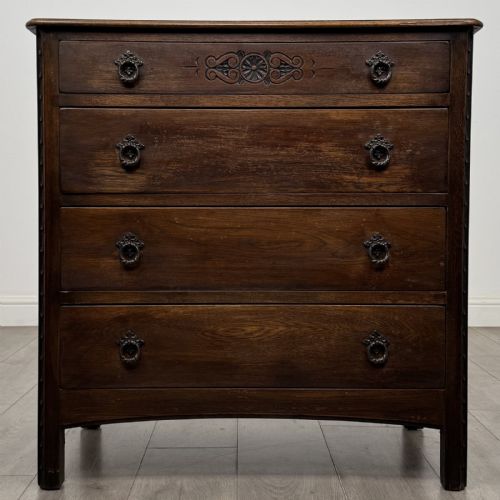
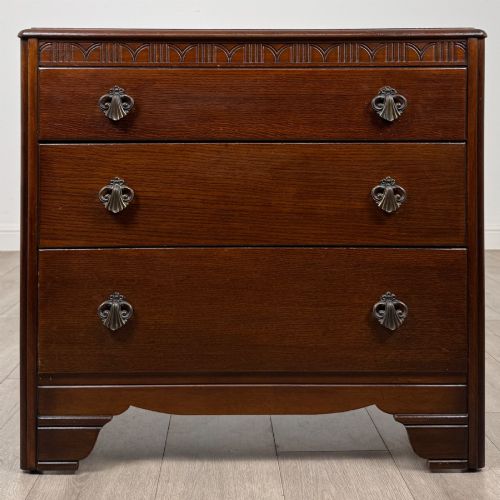
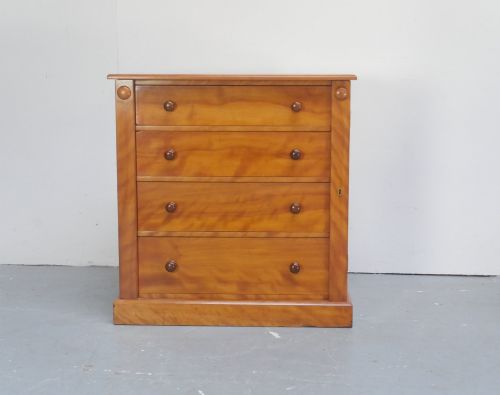
When you search for an antique carved commode, you encounter substantial timber chests and cabinets built to hold linen and personal belongings.
Antique Carved Commode
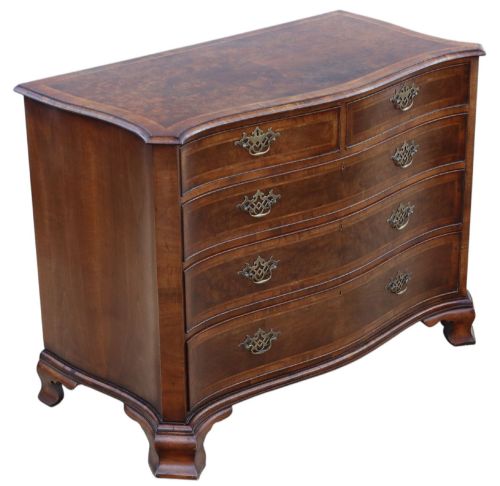
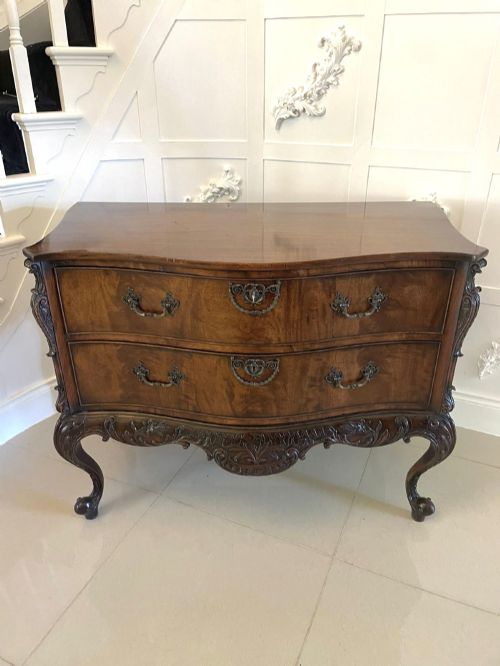
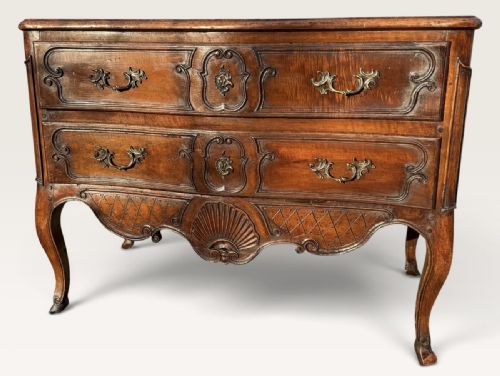
An antique carved commode typically presents as a chest of drawers, bedside cabinet, or side cabinet shaped by periods ranging from the seventeenth century through to the Edwardian era. These pieces function primarily as storage furniture while displaying the decorative preferences of their respective centuries.
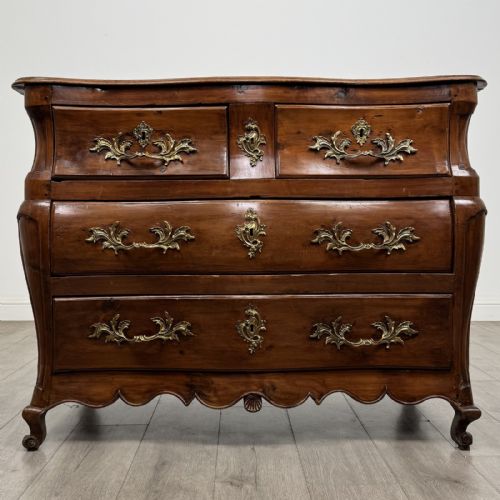
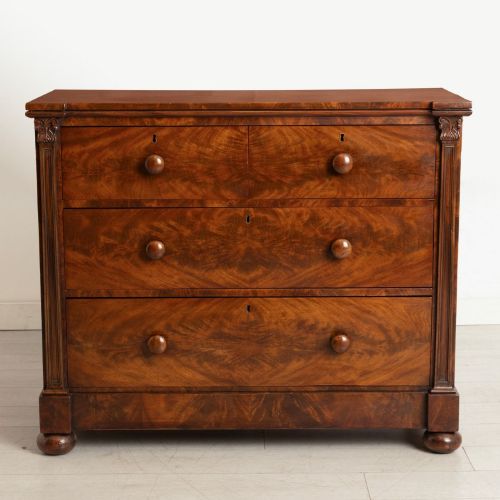
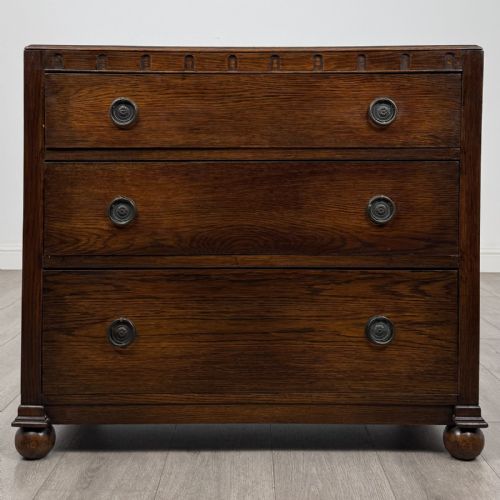
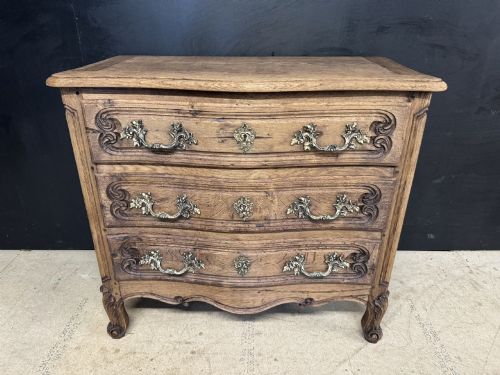
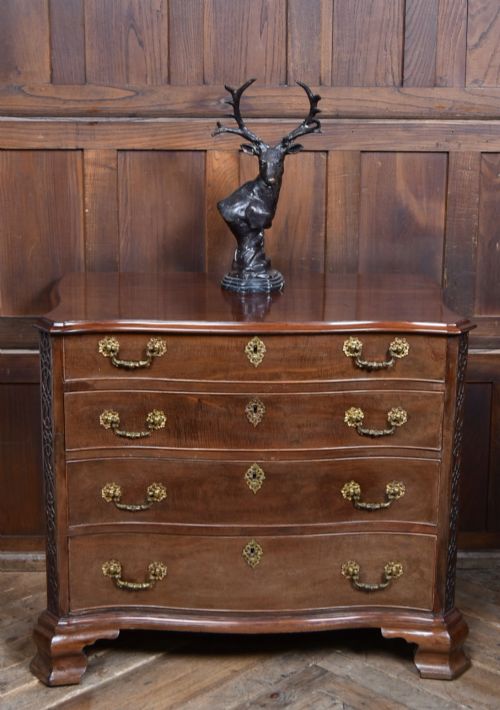
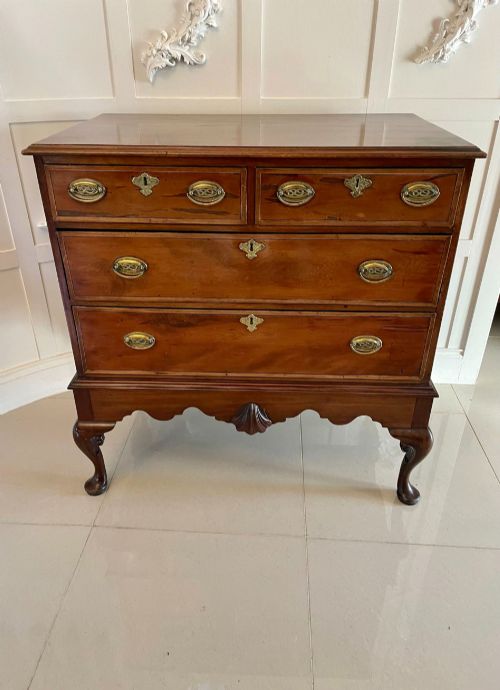
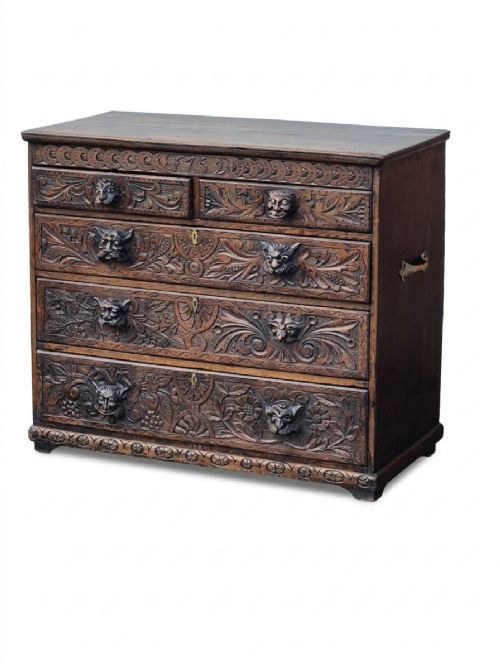
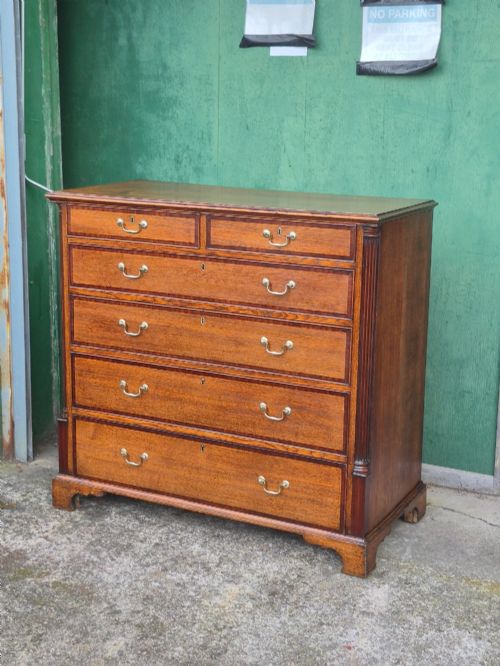
The versions most frequently met on this page include robust seventeenth-century oak examples featuring moulded fronts and seventeenth-century carved details, alongside eighteenth-century walnut and nineteenth-century mahogany serpentine shapes. French provincial styles and Dutch bombe forms also appear regularly among the listed items.
Makers and craftsmen utilised local timbers such as oak, elm, walnut, and mahogany, applying carving, crossbanding, and inlay to elevate the surface appearance. Buyers select these items to anchor a room with functional historical presence.
Materials and Construction Techniques
Solid timbers form the structural core of these items, with oak, mahogany, walnut, and burr walnut dominating the construction. Artisans selected these woods for their grain stability and capacity to accept deep hand-carving, geometric moulding, and smooth polishing.
Decorative surfaces frequently incorporate crossbanding, inlay, and marble tops, particularly on French and continental pieces. Metal handles and escutcheon plates in brass provide functional contrast to the dark wood tones.
Listings feature oak, mahogany, walnut, burr walnut, pine, and marble across periods spanning the seventeenth century to the twentieth century.
Distinctions in Quality
The upper tier of these pieces demonstrates crispness in the hand-carved elements, superior figure in the grain of walnut or mahogany, and precise serpentine shaping of the drawer fronts. Lesser examples rely on simpler flat surfaces and standard timber selections without decorative crossbanding.
Construction methods also separate the grades, as finer pieces employ robust dovetail joints and original timber backs rather than replacement panels. The integration of high-grade materials like burr walnut and intact marble tops distinguishes the most accomplished items in the range.
The Antique Carved Commode Glossary
- Serpentine
- A furniture front curving outward in the centre and inward at the sides. This contour requires skilled woodworking to follow the sweeping lines.
- Bombe
- An outward-swelling curved shape characteristic of continental furniture. This bulbous profile demands complex joinery to maintain structural integrity.
- Crossbanding
- A narrow strip of veneer laid around the border of a panel with the grain running perpendicular to the centre. It creates a contrasting decorative frame.
- Escutcheon
- A protective plate surrounding a keyhole. These metal fittings often use brass and feature detailed casting.
- Dovetail
- A joint formed by interlocking wedge-shaped fingers. This method secures drawer corners effectively.
Antique Carved Commode: Frequently Asked Questions
How do I clean an antique wooden commode?
Dust the surfaces regularly with a dry, soft cloth to prevent particulate buildup in the carved recesses. Avoid silicone-based sprays and harsh chemical cleaners that can damage the aged finish.
Apply a traditional beeswax polish sparingly when the wood appears dry, buffing it gently to maintain a natural lustre. Keep the piece away from direct heat sources and strong sunlight to prevent timber splitting.
Where should I place a commode at home?
Position the piece in a bedroom or hallway where its storage drawers remain easily accessible for daily use. Ensure the floor is level so the drawers open and close smoothly without binding.
Maintain stable indoor humidity levels to protect the antique timber and any applied veneers from warping. Avoid damp exterior walls or areas subject to rapid temperature fluctuations.
How do I identify a Georgian commode?
Look for characteristic proportions, rectilinear or serpentine drawer arrangements, and timber choices such as mahogany or walnut. Georgian pieces often display restrained decorative carving compared to earlier seventeenth-century styles.
Examine the secondary woods inside the drawers, as regional workshops utilised specific local timbers for internal framing. The construction methods of the period typically feature hand-cut dovetails and pegged joints.