

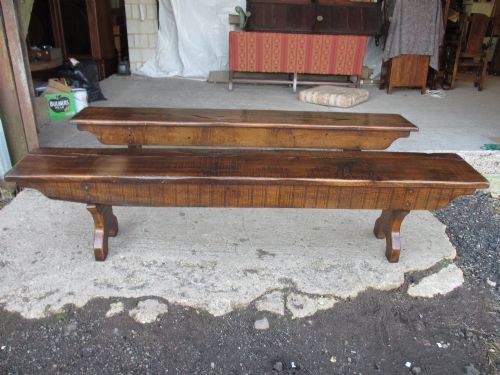
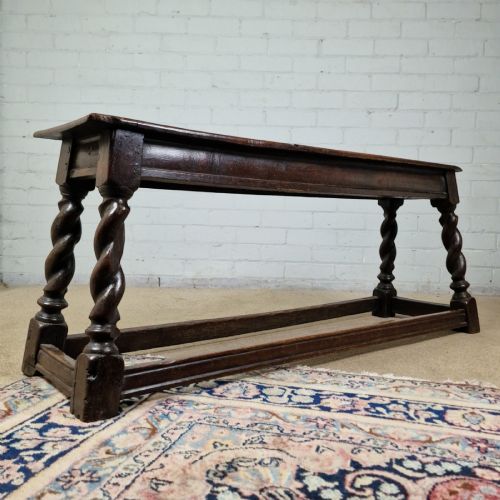
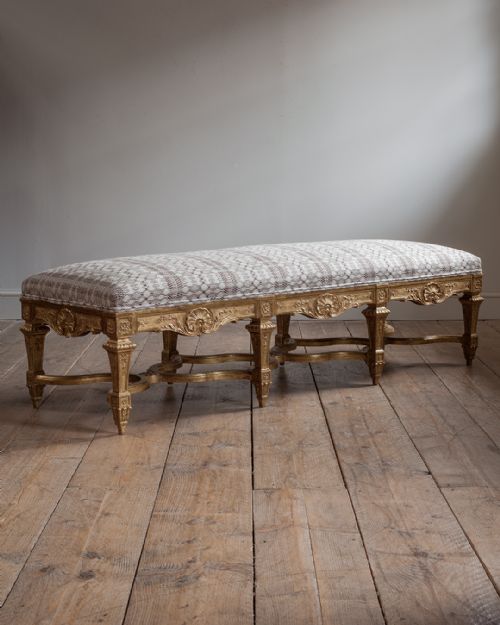
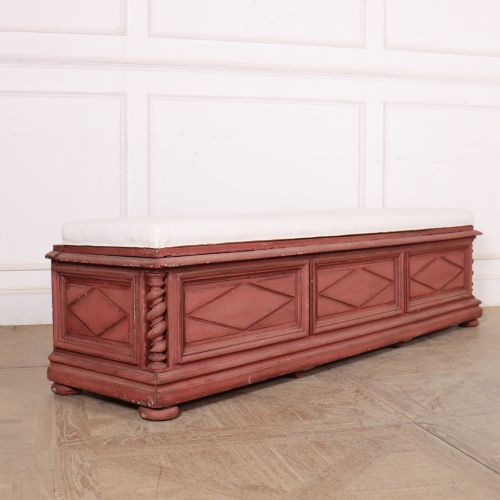
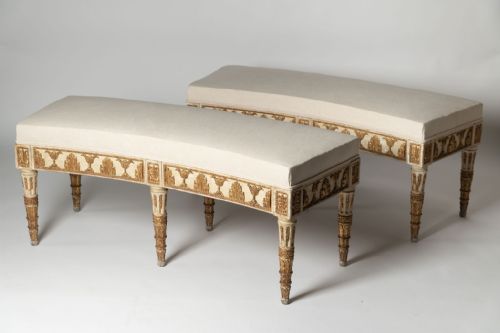


Antique Carved Bench Ends
Antique carved bench ends bring architectural character and rich timber texture to an interior, offering functional seating foundations with distinct historical presence.
Antique Carved Bench Ends
When you examine antique carved bench ends, you look at architectural elements and seating frames shaped from solid timbers like oak, mahogany, and walnut. These pieces originate across multiple centuries, running from seventeenth-century ecclesiastical fragments to nineteenth-century domestic seating forms.
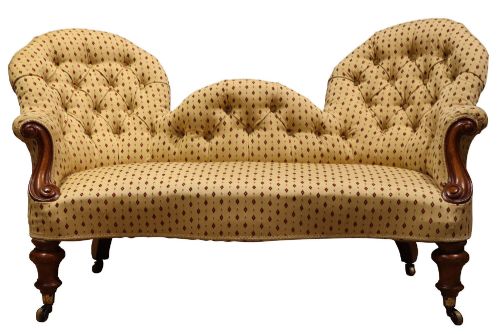
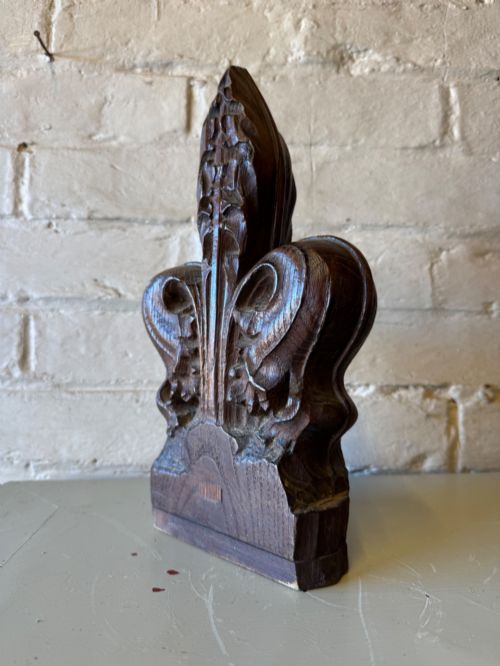
The items found on this page encompass architectural salvage such as poppy head finials alongside finished seating forms including window seats, long stools, and scroll-ended sofas. Pieces appear in various regional idioms, spanning English oak examples, French giltwood styles, and Italian painted designs.
Buyers seeking this phrase most frequently encounter nineteenth-century walnut and mahogany window seats or sturdy oak fragments featuring traditional carved details. The selection blends structural woodwork with decorative upholstery textiles such as velvet, linen, and fabric.
Materials and construction methods
Craftsmen utilised heavy hardwoods, primarily oak, mahogany, and walnut, selecting timber for density and grain pattern before applying hand-carved ornamentation. Architectural elements often feature deep relief carving, whilst seating frames incorporate turned legs, fluted details, or scroll ends.
Finishes range from plain waxed timber and painted wood surfaces to giltwood and partial gilding. Upholstered variants integrate supportive webbing and stuffing beneath top coverings of velvet, fabric, or linen.
Antique Carved Bench Ends Retail Price Guide 2026
Typical asking prices for carved bench ends among the pieces listed under this phrase on Sellingantiques today, from the lower quarter to the upper quarter. They describe what is for sale here now, not the wider market.
Listings feature structural timber elements and seating spanning the eighteenth, nineteenth, and early twentieth centuries in oak, mahogany, walnut, and giltwood.
Distinctions in execution and grade
The standard of a piece rests upon the crispness of the hand-carving and the integrity of the underlying timber frame. Superior examples demonstrate confident chisel work on architectural elements like poppy heads and precise joinery on structural seating components.
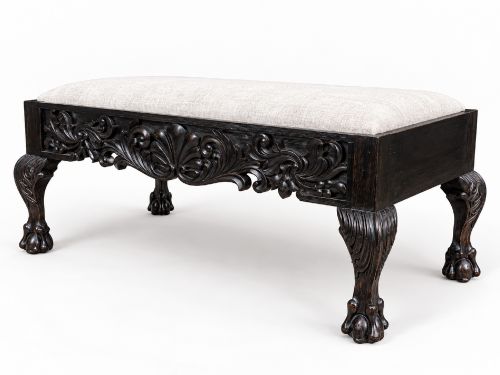
Proportion and decorative harmony separate standard items from exceptional ones, particularly in pieces displaying specific regional styles such as Adams, Regency, or Louis XIV. The refinement of secondary details, including ball and claw feet or gilt enrichment, dictates the visual impact of the work.
The Antique Carved Bench Ends Glossary
- Poppy head
- An ornamental carved finial topping the end of a bench, frequently seen in gothic ecclesiastical woodwork. This decorative feature usually depicts stylised foliage or floral motifs.
- Window seat
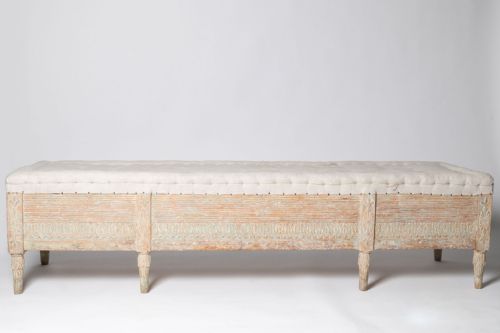
- A long, narrow form of stool or bench traditionally placed in a recess beneath a window. These pieces often feature upholstered tops and carved wooden frames.
- Scroll end
- A sweeping, curved terminal form found on the arms or ends of sofas, daybeds, and benches. This stylistic detail draws on classical and Regency design vocabulary.
- Giltwood
- Timber coated with gold leaf or a gold-coloured finish for decorative effect. This treatment appears frequently on continental seating frames.
- Architectural salvage
- Building components and structural fragments removed from older structures for reuse or display. Items include carved finials and bench ends originating from institutional or ecclesiastical settings.
Antique Carved Bench Ends: Frequently Asked Questions
What are antique bench ends?
Antique bench ends are solid timber architectural fragments or structural supports, often featuring hand-carved motifs like poppy heads from ecclesiastical settings. They represent surviving elements of historic seating.
These pieces appeal to collectors and designers seeking authentic period woodwork with distinct tactile qualities and historical provenance.
How were window seats used?
Window seats provided dedicated places for sitting near natural light in period rooms, often positioned in deep architectural window bays. They functioned as both decorative furniture and practical seating.
Many examples double as long stools or low benches that fit easily at the foot of a bed or along a hallway wall.
How do I identify a Regency piece?
Regency items typically display clean architectural lines, mahogany timbers, and characteristic scroll ends on sofas and bench forms. Makers often drew inspiration from classical antiquity during this period.
Look for restrained decorative carving, elegant proportions, and distinctive structural elements such as double scroll arms.
Can these seats be reupholstered?
Many surviving window seats and benches are suited for modern fabric updates while retaining their antique wooden frames. Upholstery styles range from simple linen to patterned velvet.
Working with the existing frame allows buyers to adapt the textile finish to match contemporary interior schemes.