



Antique Carriage Lighting
Antique carriage lighting brings the robust metals and glass of 19th-century transit straight into modern interiors.
Antique Carriage Lighting
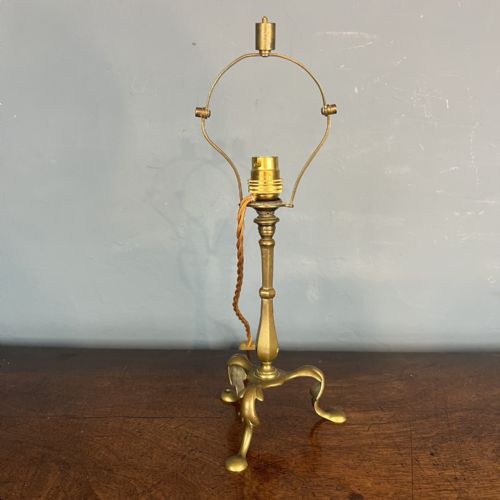
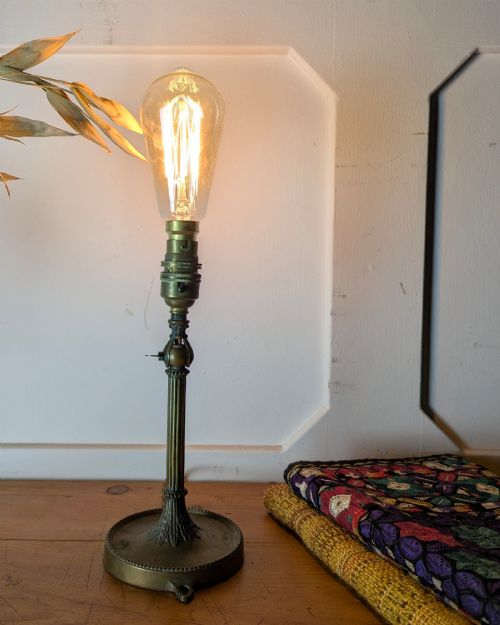
Buyers seeking antique carriage lighting encounter sturdy lanterns and lamps originally built for coaches, trains, and maritime use during the Victorian and Edwardian eras. The selection on this page centres on solid brass, copper, and iron forms adapted for domestic wall, table, and ceiling placement.
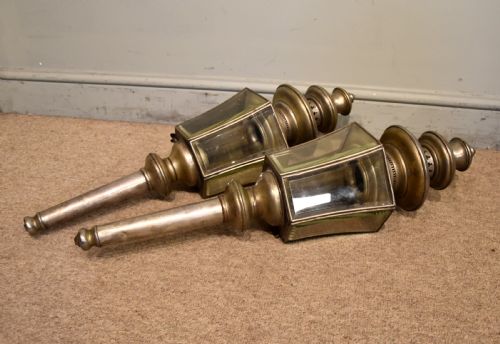
Most pieces date from the nineteenth and early twentieth centuries, spanning styles from utilitarian railway designs to ornate French Empire and Arts and Crafts wall lights. Pairs of coach-house lanterns and Pullman reading lamps appear frequently across these listings.
How they were made
Metalworkers utilised heavy brass, cast iron, and copper to construct frames capable of withstanding constant vibration during travel. Glass panels, often bevelled or opaline, were fitted securely into metal housings to protect open flames.
Finishes range from polished surfaces to verdigris patinated copper and nickel plating. Many examples incorporate specialised mounting brackets or gimbal mechanisms originally designed for movement on ships and trains.
Gimbal lamps kept passengers reading smoothly by swinging stubbornly level while trains rattled violently down the tracks.
What varies in quality
Quality rests in the weight of the cast metals, the integrity of the original joints, and the presence of makers' marks or specialised hardware. Heavier brass and iron castings with intact mounting arms command greater interest.
Design complexity also separates standard utility pieces from decorative iterations. Elaborate Neo-Classical or French Empire detailing and matching pairs elevate certain lanterns above single, plain railway lamps.
Veritas Lamp Works·Daris
The Antique Carriage Lighting Glossary
- Pullman lamp
- A specialised reading lamp design originating from railway carriages. These fixtures typically feature adjustable brass brackets and opaline glass shades.
- Gimbal lamp
- A pivoting mounting system using concentric rings. This mechanism kept the light source level despite the motion of a ship or train.
- Verdigris
- A green patina formed naturally on copper and brass over time. This surface oxidation alters the visual tone of the metal.
- Opaline glass
- A milky, semi-translucent white glass. It diffuses light softly and appears frequently in Edwardian reading lamps.
- Coach lantern
- A durable exterior wall light adapted from horse-drawn carriages. These housings protected candles or oil burners from wind and rain.
Antique Carriage Lighting: Frequently Asked Questions
Can these lamps be wired for electricity?
Most antique carriage and Pullman lamps adapt readily to modern electrical wiring for interior wall or table use. Many retain clever original bracket designs that suit contemporary mounting.
Professional rewiring preserves the historic brass and iron frames while ensuring safety. The original fuel fonts or burners are typically replaced with internal lamp holders.
Where were these lamps originally used?
These fixtures lighted the interiors and exteriors of horse-drawn coaches, railway trains, and ships. Railway companies such as GWR utilised specific heavy-duty designs for passenger compartments.
Other variations served as country house coaching lanterns mounted beside exterior doorways. Their enclosed glass and metal construction was engineered to resist harsh weather and constant motion.
How do I date a carriage lamp?
Dating relies on material choices, manufacturing techniques, and stylistic markers across the nineteenth and early twentieth centuries. Victorian examples often feature heavy brass castings and simple utilitarian lines.
Later Edwardian and Arts and Crafts pieces introduce refined brackets, opaline shades, and distinctive patination. Maker stamps and patent marks further pinpoint the exact decade of production.
Are these lights weatherproof?
While originally built to withstand outdoor coach travel and railway conditions, historical seals and aged metals require careful assessment. Many survive with sturdy copper or iron housings suitable for sheltered exterior installation.
Exposed vintage wiring components and antique glass mountings, however, often benefit from indoor placement. Consulting a specialist ensures proper protection against modern moisture levels.