



Antique Carpet Pillow
These antique carpet pillow pieces bring warmth and rich nomadic pattern to a room, turning utilitarian tribal textiles into tactile furnishings.
Antique Carpet Pillow
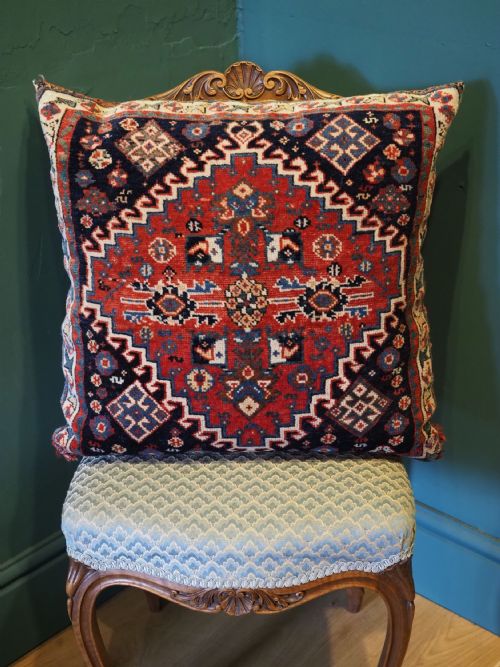
An antique carpet pillow repurposes old nomad bags, saddlebags, and rug fragments into functional home furnishings. Buyers seek these out for their genuine tribal character and the depth of history they carry.
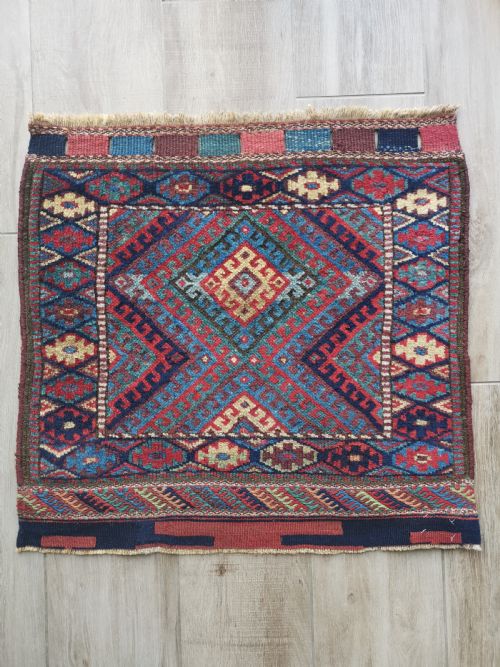
The pieces on this page draw from 19th century and early 20th century weaving traditions. They span Turkmen, Persian, and Shahsevan tribal groups, utilising repurposed bag faces and saddle covers.
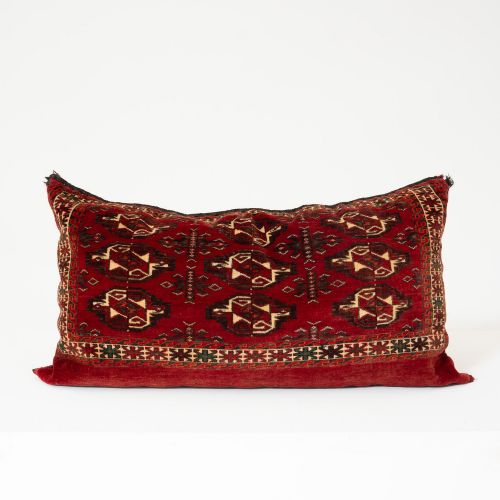
Common forms include chuvals, torbas, and saddle bag fragments transformed into cushions. These textiles display the authentic regional motifs of weaving communities from Azerbaijan and Central Asia.
Materials and construction
These textiles rely on hand-spun wool and cotton foundations, dyed with natural colorants that age with remarkable character. The pile and flatweave structures reflect traditional nomadic weaving techniques.
Weavers constructed these original bags and faces on portable vertical or horizontal looms. Later makers repurposed these durable fragments into cushions, retaining the sturdy original structural seams.
Antique Carpet Pillow Retail Price Guide 2026
Typical asking prices for carpet pillow among the pieces listed under this phrase on Sellingantiques today, from the lower quarter to the upper quarter. They describe what is for sale here now, not the wider market.
Listings span periods from 1860 through the early 20th century, focusing on wool and cotton materials coloured with natural dyes.
Judging quality in tribal cushions
Quality rests primarily in the integrity of the weave, the saturation of the natural dyes, and the crispness of the tribal guls or geometric motifs. Stronger wool spinning and tighter knotting elevate the textile.
The choice of fragment matters considerably, as complete bag faces with intact borders offer a more cohesive design than smaller, heavily patched remnants. Preserved backing materials and thoughtful conversion also influence the piece.
The Antique Carpet Pillow Glossary
- Chuval
- A large Turkmen tent bag used for storage. These are frequently converted into substantial cushions due to their generous size.
- Torba
- A smaller Turkmen storage bag face. They typically feature wide horizontal dimensions and distinctive primary guls.
- Gul
- A repeating medallion motif used across Central Asian and Turkmen weaving traditions. Each tribal group utilised specific gul variations to signal lineage.
- Bag face
- The decorative front panel of a nomadic utility bag. These portions are most commonly saved and turned into pillows.
- Flatweave
- A textile constructed without pile by interweaving warp and weft threads. Pieces like Shahsevan bag faces often employ this technique.
Antique Carpet Pillow: Frequently Asked Questions
How were these tribal bags used?
Nomadic groups utilised bags like chuvals and torbas to store household goods, bedding, and provisions inside their tents. Saddle bags also transported belongings during seasonal migrations.
Over generations, durable sections of these utilitarian objects survived while worn portions were separated. Craftsmen later turned the surviving decorated faces into cushions.
How do I care for my cushion?
Protect antique wool and cotton textiles by keeping them out of direct sunlight to prevent natural dye fading. Gentle vacuuming with a low suction attachment removes surface dust.
Avoid harsh chemical cleaners or washing machines. Professional specialist cleaning is recommended for antique textiles if they require attention.
How can I tell tribal styles apart?
Turkmen pieces like Tekke and Ersari work often feature distinct repeating medallions called guls in rich madder red tones. Shahsevan and Qashqai fragments frequently display sharp geometric layouts and striped flatweave structures.
Examining the colour palette, wool quality, and structural layout helps identify the specific regional weaving group.