





Antique Carnelian Pendant
An antique carnelian pendant brings a rich orange-red chalcedony stone into focus, usually mounted as a Victorian or Georgian fob seal, swivel pendant or Central Asian talisman.
Antique Carnelian Pendant
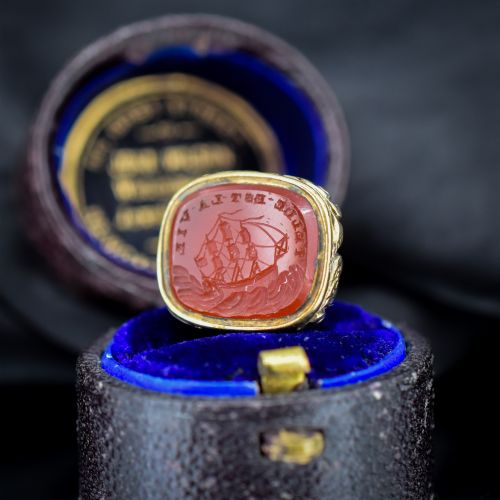
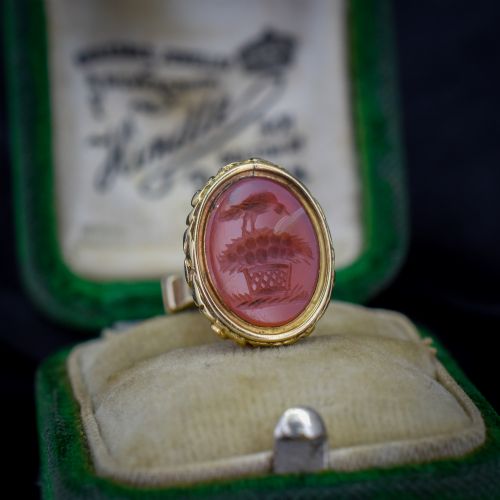
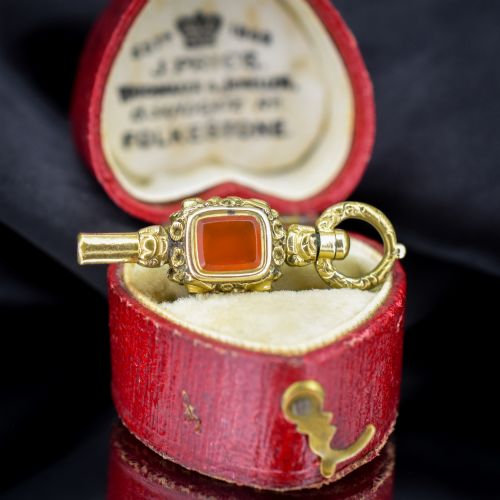
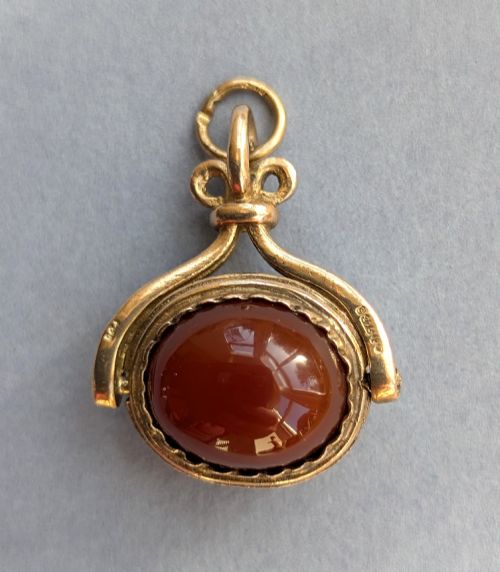
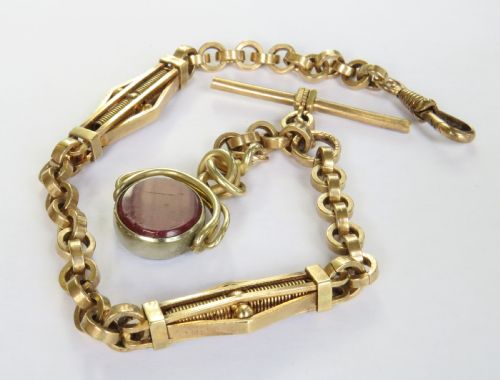
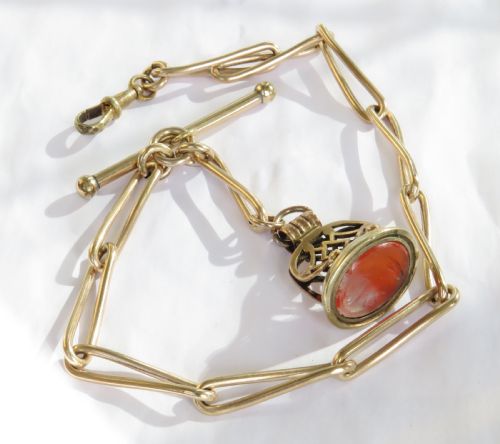
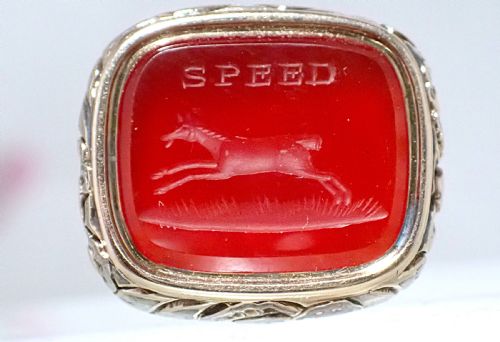
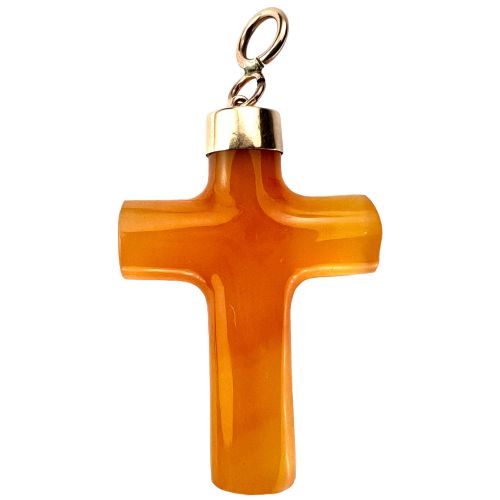
When you search for an antique carnelian pendant, you encounter a diverse group of items where the orange-red chalcedony stone is the visual centrepiece. Many pieces take the form of pocket watch fobs, seals, and swivel pendants originating from the Georgian and Victorian eras.
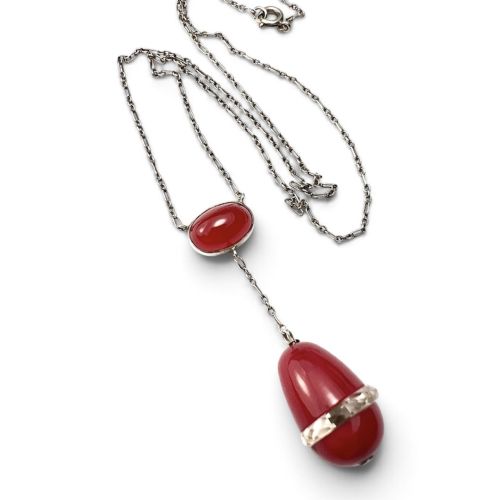
You will also find Central Asian tribal ornaments such as the cordiform asyk pendants from Turkmenistan alongside Art Deco drop necklaces. The stone itself appears smooth en cabochon, intricately carved with intaglios, or polished into geometric shapes.
How they were made
Makers set the carnelian into mounts of nine-carat rose or yellow gold, silver, gilt metal, and gold cased brass. Jewellers carved the chalcedony by hand to depict classical figures, crests, portraits, or horses.
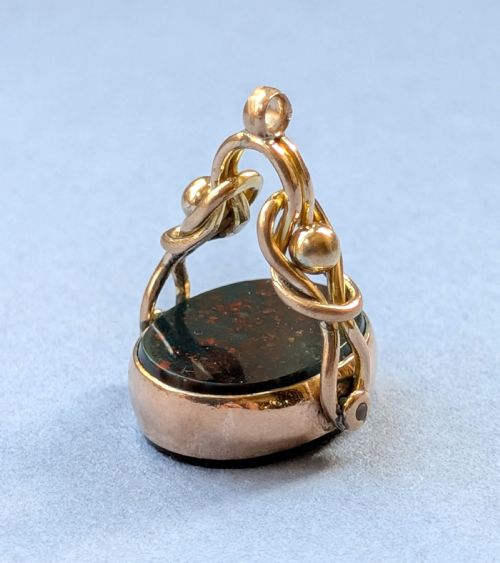
Swivel mechanisms allowed double-sided fobs to rotate, often pairing carnelian with bloodstone or agate within a sturdy metal frame.
Antique Carnelian Pendant Retail Price Guide 2026
Typical asking prices for carnelian pendant among the pieces listed under this phrase on Sellingantiques today, from the lower quarter to the upper quarter. They describe what is for sale here now, not the wider market.
Listings span the Georgian, Victorian, and Edwardian periods alongside the Art Deco era, featuring materials from nine-carat gold and silver to gilt metal and agate.
What varies in quality
The precision of the stone carving dictates much of the distinction, where finely detailed intaglios command greater attention than plain polished surfaces. The weight and purity of the gold mount, from solid nine-carat to gilt metal, also separates standard items from exceptional ones.
Furthermore, the complexity of the mechanism in swivel fobs and watch keys marks the skill of the original metalsmith.
The Antique Carnelian Pendant Glossary
- Carnelian
- A reddish-orange variety of the silica mineral chalcedony. It was widely utilised in the ancient world and later revival periods for signet rings and wax seal fobs.
- Intaglio
- A design carved into the surface of a gemstone so that an impression can be pressed into sealing wax. They frequently depict classical figures, coats of arms, or mottoes.
- Fob seal
- A small pendant attached to a pocket watch chain featuring a matrix carved for stamping wax. Georgian and Victorian gentlemen carried them daily.
- Swivel pendant
- A piece mounted on a central axis that rotates to display two different faces. These often combine carnelian on one side with bloodstone or agate on the reverse.
- Cordiform
- Heart-shaped in outline. This form appears frequently in Central Asian tribal jewellery and amulets.
Antique Carnelian Pendant: Frequently Asked Questions
What is an antique carnelian pendant?
An antique carnelian pendant is a piece of jewellery featuring the orange-red chalcedony stone, most commonly fashioned as a Victorian or Georgian watch fob, swivel seal, or tribal ornament.
These items range from engraved European signet fobs to heart-shaped Central Asian talismans designed to be worn on chains or cords.
How do I wear a fob pendant?
Fob pendants were originally hung from pocket watch chains known as albert chains, but today they adapt easily to modern neck chains.
Their substantial mounts and rotating swivels make them suitable for wearing as individual centrepieces on heavier gold or silver chains.
How do I tell Georgian pieces from Victorian ones?
Georgian pieces often feature heavier gold cased or gilt metal mounts with deeply saturated carnelian stones and hand-carved intaglios depicting classical motifs or mottoes.
Victorian items more frequently utilise solid nine-carat rose or yellow gold, incorporating sophisticated swivel mechanisms and crisp heraldic engravings.