


Antique Card Game Box
An antique card game box brings the tactile ritual of Victorian and Edwardian parlour pastimes directly to the modern interior.
Antique Card Game Box
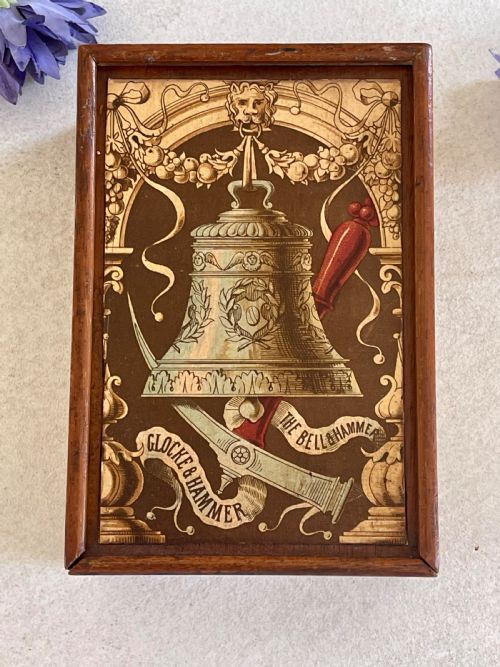
An antique card game box is a purpose-built receptacle designed to house playing cards, counters, and gaming accessories for parlour entertainment. The examples found here span several distinct eras, stretching from Georgian and Regency pieces through to Victorian, Edwardian, and later twentieth-century iterations.
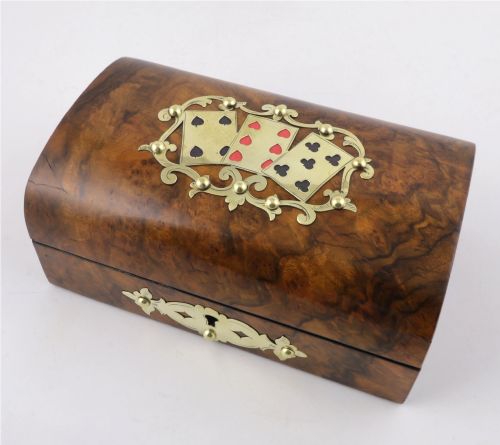
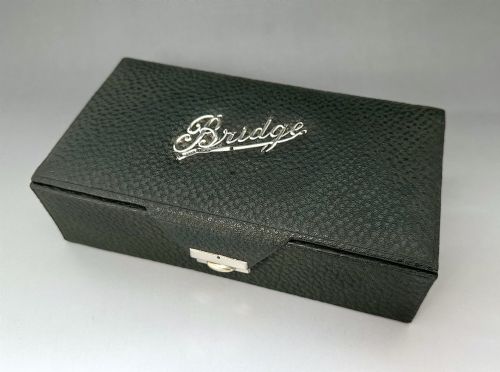
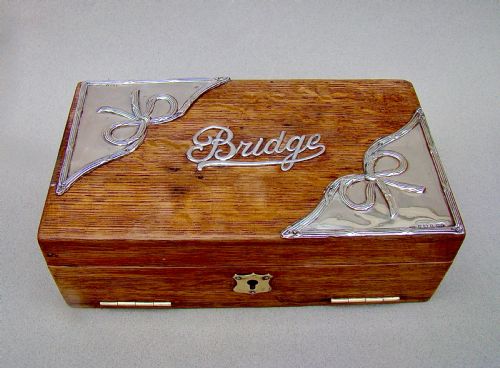
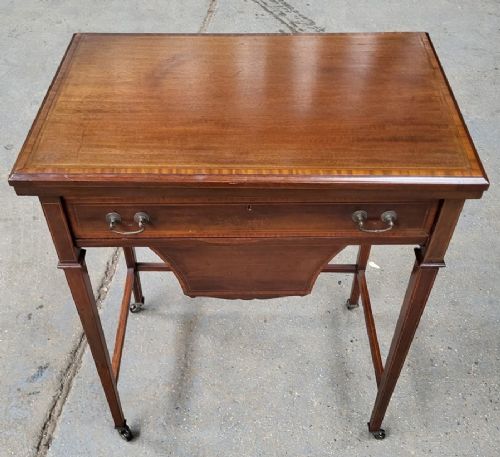
Buyers will most frequently encounter walnut, rosewood, and mahogany caskets from the Victorian and Edwardian periods, often featuring fitted interiors or brass mounts. Alongside standalone boxes, the selection encompasses larger games and sewing tables, as well as smaller specialist pieces for cribbage, patience, and bridge.
Materials and Construction
Cabinet makers utilised dense hardwoods such as walnut, mahogany, rosewood, satinwood, and kingwood, frequently applying burr veneers or intricate marquetry and parquetry inlay. Metalwork played a structural and decorative role, with brass banding, corner mounts, and locks reinforcing the wooden carcasses.
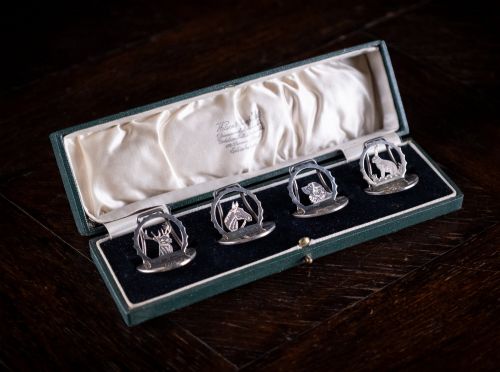
Many interiors incorporate fitted leather, velvet, or satin linings designed to cradle specific items like mother-of-pearl whist counters, dice, or proprietary card decks. Silver mounts and plaques, hallmarked in cities such as Birmingham, Chester, and London, frequently adorn Edwardian and late nineteenth-century examples.
The documented periods span from the Georgian and Regency eras through the Victorian, Edwardian, and into the 1920s, 1930s, and 1940s.
Distinctions in Execution
Quality rests in the precision of the cabinet work, from the crispness of the parquetry and marquetry patterns to the tight alignment of brass banding and corner plates. Superior boxes exhibit well-figured timber grains, such as burr walnut or amboyna, selected and matched with care across the lid and sides.
George Betjemann·Levi & Salaman·A. Wilcox·Nelson and Drake
The Antique Card Game Box Glossary
- Marquetry
- The art of forming decorative patterns on a wooden surface by fitting together small pieces of veneered wood of different colours and grains. This technique defines the lids of many nineteenth-century gaming caskets.
- Parquetry
- A geometric mosaic of wood pieces used for decorative floors and box lids. It creates striking angular patterns across Regency and Victorian pieces.
- Cribbage
- A card game traditionally played with a board and pegs to keep score. Cribbage boxes and cases usually feature sliding lids and internal channels for the pegs.
- Burr walnut
- A prized timber harvested from the wart-like growths on walnut trees, yielding turbulent, highly decorative grain patterns. Cabinet makers utilised it extensively for high-end Victorian games boxes.
- Whist counters
- Small markers, often carved from bone, mother-of-pearl, or porcelain, used to track scores in nineteenth-century card games. They are frequently found housed within original dedicated compartments.
Antique Card Game Box: Frequently Asked Questions
What went inside an antique card game box?
These boxes typically contained decks of playing cards, scoring counters made of bone or mother-of-pearl, dice, and occasionally specialised items for games like cribbage or patience.
Interior trays and partitions kept each accessory secure and organised between parlour sessions.
How do I date an antique card game box?
Dating relies on a combination of timber choice, construction techniques, hardware, and any hallmarked silver mounts present on the exterior. For instance, brass banding and burr walnut point strongly toward the Victorian era, while specific silver hallmarks provide exact years.
Stylistic cues such as Regency chinoiserie or Edwardian silver mounts narrow the timeframe further.
Were these boxes made for specific games?
Many boxes were built as multi-use compendiums to accommodate various card games, chess, and dice, while others were tailored specifically for bridge, whist, or cribbage.
Internal layouts often reveal the intended purpose through shaped wells for card decks and channels for cribbage pegs.
How should I care for a wooden games box?
Preserving the wood and any leather or velvet linings requires keeping the box out of direct sunlight and away from rapid humidity fluctuations. Gentle dusting and occasional treatment with appropriate conservation wax maintain the finish without harming antique veneers or brass mounts.
Keeping internal fitted compartments clean ensures the delicate linings survive intact.