


Antique Canvas
Antique canvas pieces bring centuries of painted portraits, landscapes, and still lifes into domestic spaces through enduring oil and wooden frames.
Antique Canvas
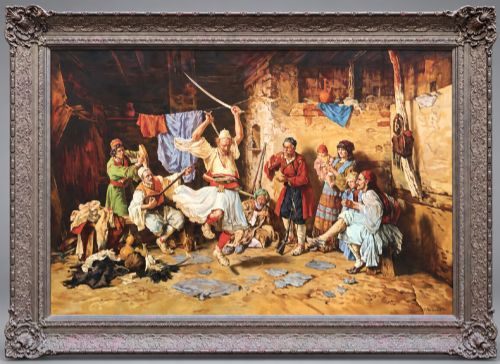
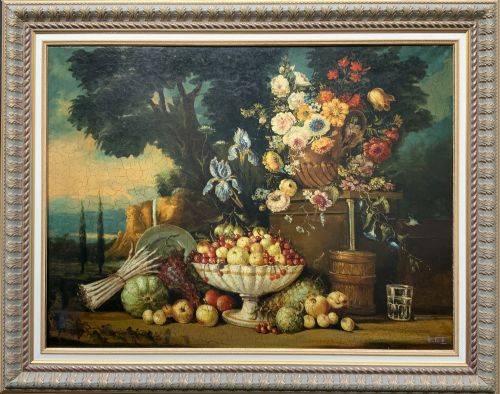
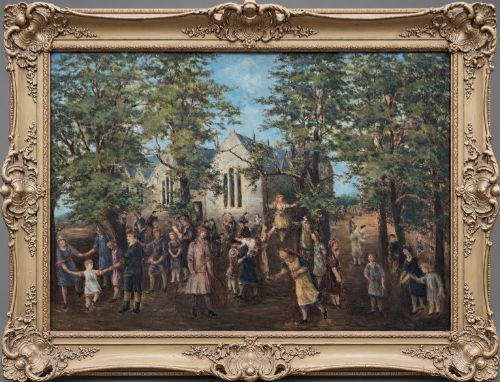
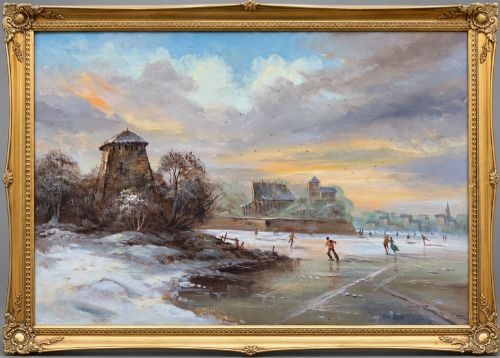
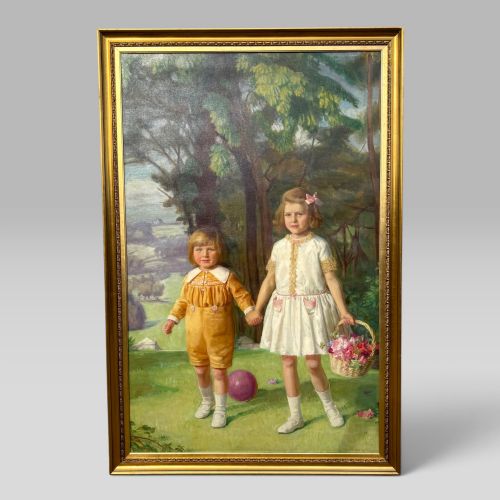
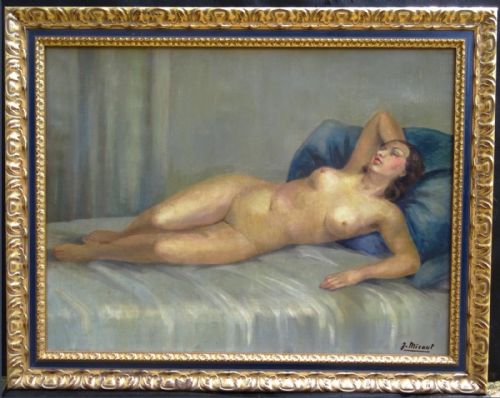
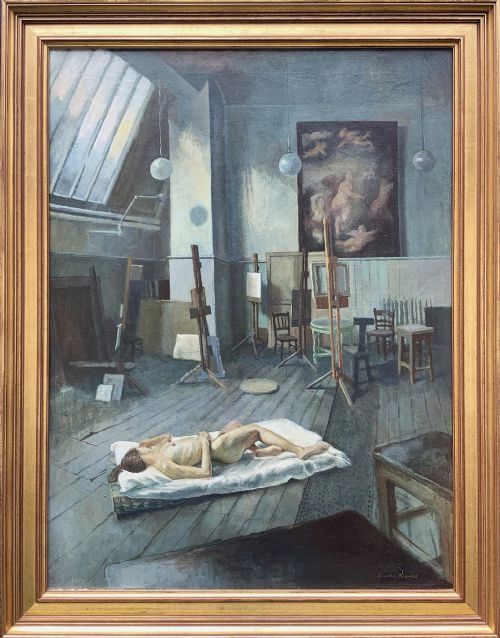
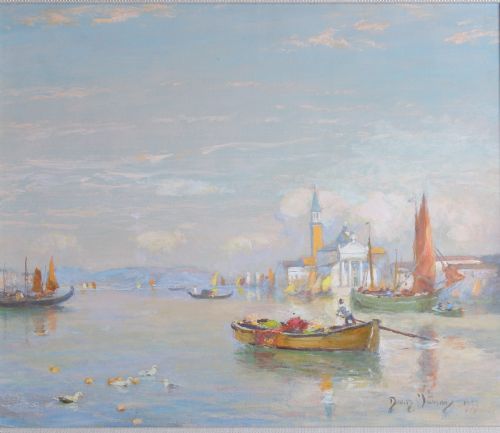
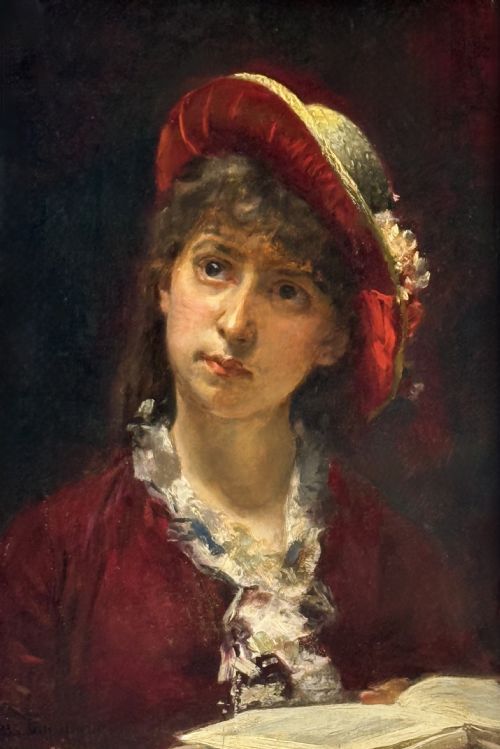
When you search for antique canvas, you encounter centuries of oil paintings stretched across woven fabric, capturing portraits, landscapes, sporting scenes, and still lifes from the seventeenth century onwards.
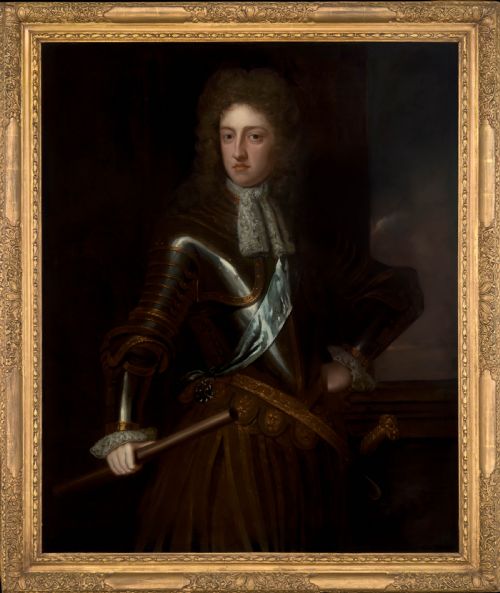
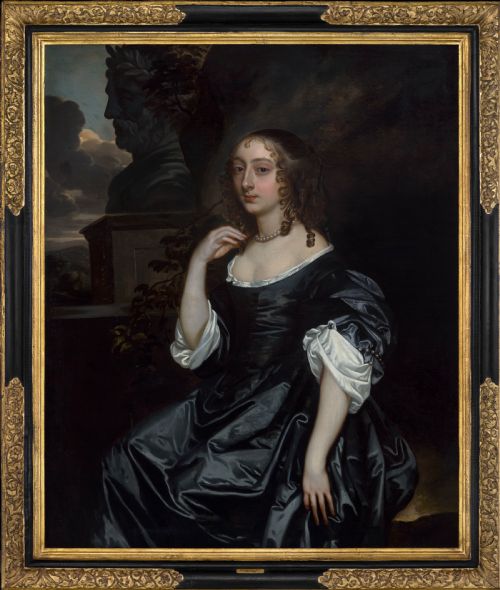
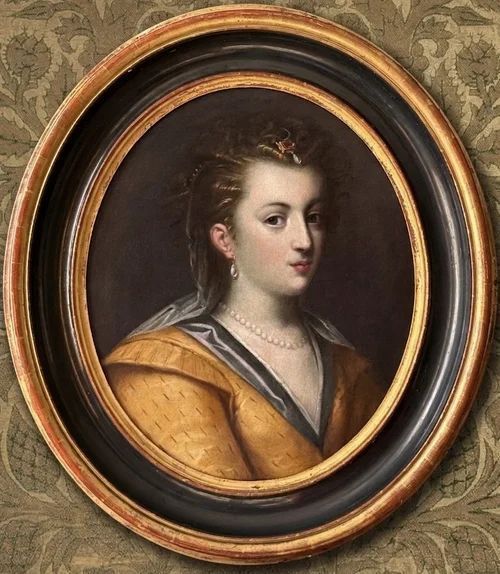
The versions met most frequently on this page span the Victorian and Edwardian eras alongside earlier eighteenth-century British and European portraiture.
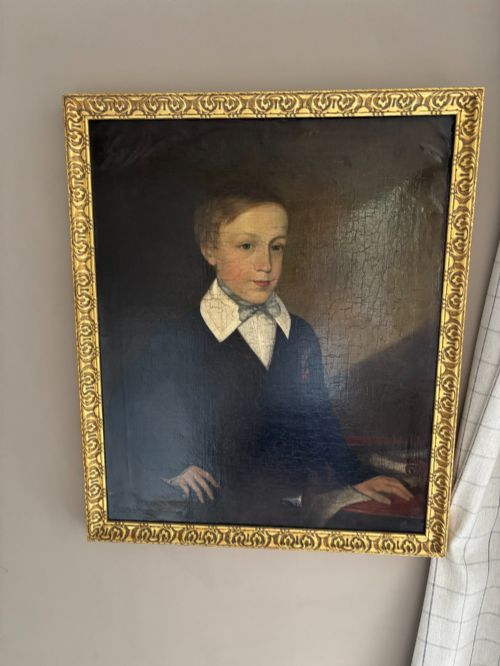
These works range from intimate depictions of children and noblemen to expansive pastoral views and maritime scenes executed in oil paint.
Materials and construction
These works rely on oil paint applied to woven canvas supports, often framed in period wood, giltwood, or gold leaf surrounds.
Painters built depth using layered oil pigments over prepared grounds, securing the fabric within sturdy wooden stretchers.
Frames utilise carved wood and applied gilt detailing to complement the visual weight of the central painted surface.
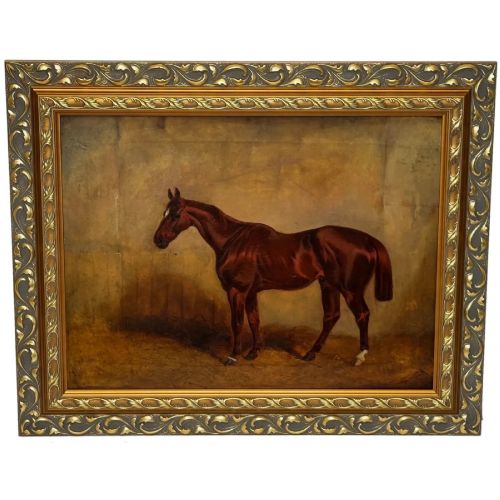
Several canvases faithfully record the proud gazes of historical pet spaniels, cats, and carriage horses.
Distinctions in quality
Quality rests upon the fidelity of draftsmanship, the expressive handling of the oil medium, and the preservation of the original paint surface.
Works attributed to established studios or named portraitists display superior anatomical proportion and subtlety of expression compared to anonymous regional output.
SIR GODFREY KNELLER·SIR PETER LELY·LAVINIA FONTANA·CHARLES JERVAS·HYACINTHE RIGAUD
The Antique Canvas Glossary
- Canvas
- A heavy woven fabric typically made of hemp or flax that serves as a flexible support for oil paintings.
- Giltwood
- Wood carved and coated with a thin layer of gold leaf or metallic gilt powder to create an ornamental frame.
- Stretcher
- The wooden frame over which a canvas is pulled tight and secured prior to painting.
- Oil Paint
- Pigment mixed with a drying oil, such as linseed, allowing for slow blending and rich colour depth.
Antique Canvas: Frequently Asked Questions
How should I clean an antique canvas painting?
Surface dust may be removed gently with a soft, dry brush, avoiding any moisture or chemical cleaning agents.
Professional conservators should handle deeper cleaning or varnish removal to prevent damaging the underlying oil paint.
Are these paintings supplied with original frames?
Many pieces retain period frames made of giltwood or wood, though some have been reframed over the centuries.
Frame styles often correspond to the era of the canvas, adding historical context to the artwork.
Where were these paintings displayed originally?
Portraits and landscapes of this scale hung primarily in country houses, grand town residences, and institutional parlours.
Today, they suit domestic living spaces seeking traditional character and historic depth.
How do I identify the period of a canvas?
Dating relies on stylistic clues in clothing, hair fashion, and painting technique, alongside stretcher construction methods.
Signatures, inscriptions, and historical subject matter further help narrow down the decade of creation.