
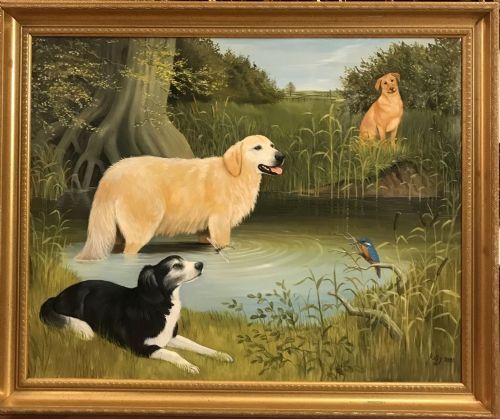


Antique Canine Picture
An antique canine picture captures the distinct character and spirit of dogs across centuries of fine art and printmaking.
Antique Canine Picture
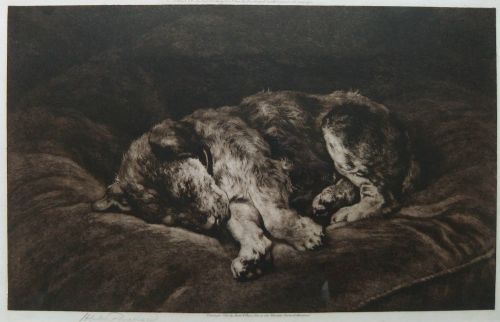
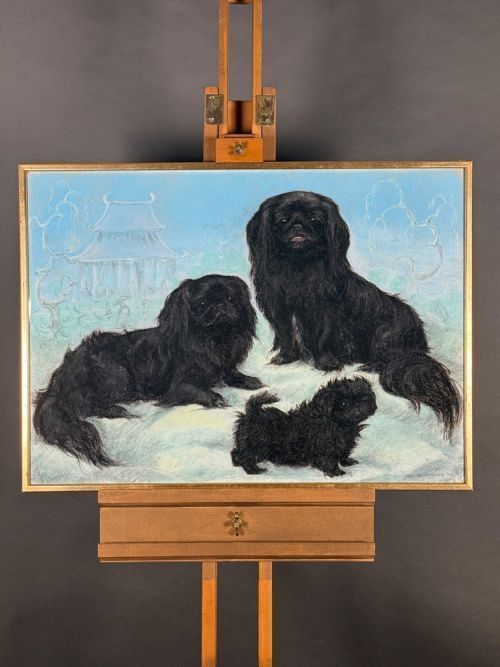
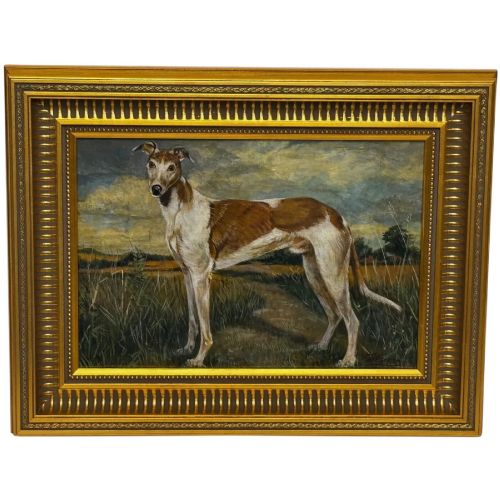
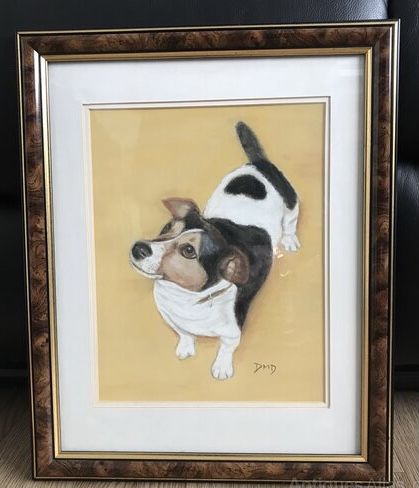
Every antique canine picture on this page represents dogs through various traditional artistic mediums, ranging from detailed oil paintings to delicate etchings. These works capture specific breeds, working hounds, and beloved pets in natural landscapes or domestic settings.
Buyers will most frequently encounter nineteenth-century oil paintings and early twentieth-century etchings within this collection. The pieces span Victorian sporting art, naive school portraits, and detailed animal studies produced across Britain.
Subjects range from individual portraits of collies, terriers, and spaniels to larger sporting scenes featuring hunt packs and working dogs. Each piece records historical relationships between humans and their canine companions.
Materials and technique
Artists relied primarily on oil on canvas or wood panels, applying rich pigments to build texture in animal coats and natural backgrounds. Many works also utilise watercolour, pastel, charcoal, and ink on paper to achieve softer tonal gradations.
Printmakers employed etching techniques on paper, often working with gold leaf or gilt frames to complement the finished artwork. These framed pieces combine traditional framing methods with durable paper and canvas supports.
Listings feature works created using oil on canvas, paper, wood, glass, and gold leaf.
Assessing quality
The distinction between standard works and exceptional pieces lies in the artist's ability to render canine anatomy and individual expression with precision. Superior paintings display careful observation of posture, texture, and light within the fur.
Provenance and association with recognised sporting artists elevate certain works above anonymous school pieces. The integrity of the original frame and the preservation of the underlying canvas or paper surface also contribute significantly to the standing of a piece.
Herbert Dicksee·John Emms·Arthur Wardle·Augustin Edouart·Samuel Raven·Colin Graeme Roe·Alfred Duke·Tom Carr·John Parry·Samuel Fulton
The Antique Canine Picture Glossary
- Etching
- A printmaking process where lines are incised into a metal plate with acid before being inked and pressed onto paper. This technique allows for fine, expressive detail in hair and shadow.
- Naive school
- Art produced by self-taught or untrained painters who prioritize direct expression over academic perspective. These works often charm with their honest observation and flat planes of colour.
- Sporting art
- Depictions of rural sports, hunting dogs, and wildlife associated with field pursuits. This genre flourished in Britain throughout the nineteenth century.
- Gilt frame
- A wooden picture frame coated with a thin layer of gold leaf or metallic paint. Such frames were designed to enhance the visual depth of oil paintings.
Antique Canine Picture: Frequently Asked Questions
What periods do these canine pictures date from?
The works span the nineteenth and mid-twentieth centuries, with a strong representation of Victorian and Edwardian pieces. These dates reflect changing artistic tastes in animal portraiture over several generations.
Collectors can find works ranging from early nineteenth-century oil paintings to mid-century pastels and prints.
How were these dog portraits originally displayed?
Owners typically hung these framed works in country houses, libraries, and domestic parlours to celebrate working dogs or cherished pets. Sporting pictures often decorated the walls of country estates alongside hunting memorabilia.
Today, they suit similar traditional interiors or serve as focal points in modern rooms.
How can I tell different painting styles apart?
Academic works show precise anatomical accuracy and detailed background landscapes, often following the traditions of British sporting art. Naive pieces feature simpler perspectives and direct brushwork without formal training constraints.
Mediums also distinguish the works, separating heavy oil on canvas from delicate watercolours and sharp etchings.
What dog breeds appear most frequently in the art?
Terriers, collies, spaniels, and various hounds dominate the selections, reflecting the popularity of working and sporting dogs in Britain. Breeds like poodles, bulldogs, and Pekingese also feature in domestic portraits.
Artists frequently documented specific hunting packs alongside individual family pets.