

Antique Cane Barrel
An antique cane barrel brings tactile warmth to a hallway or study through woven texture and sturdy timber staves.
Antique Cane Barrel
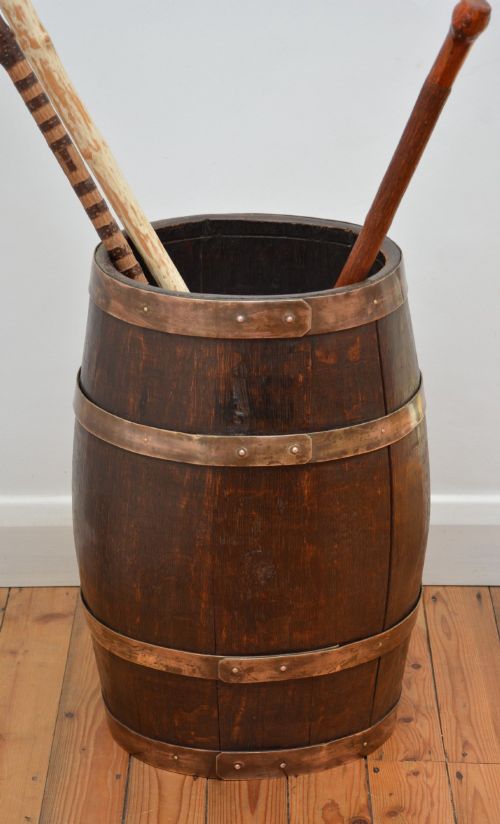
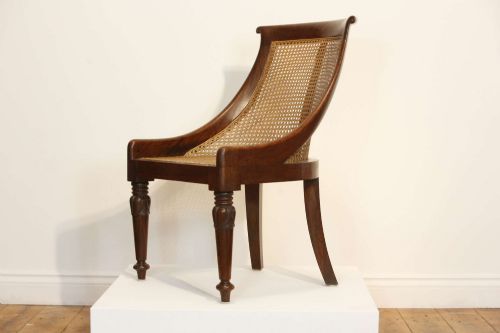
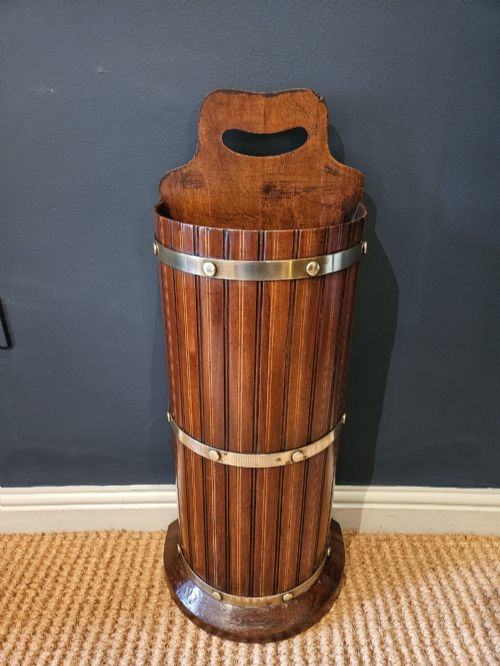
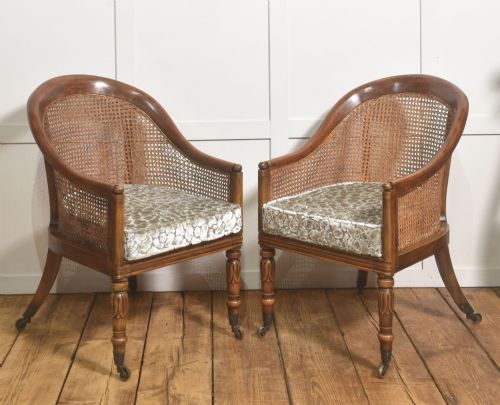
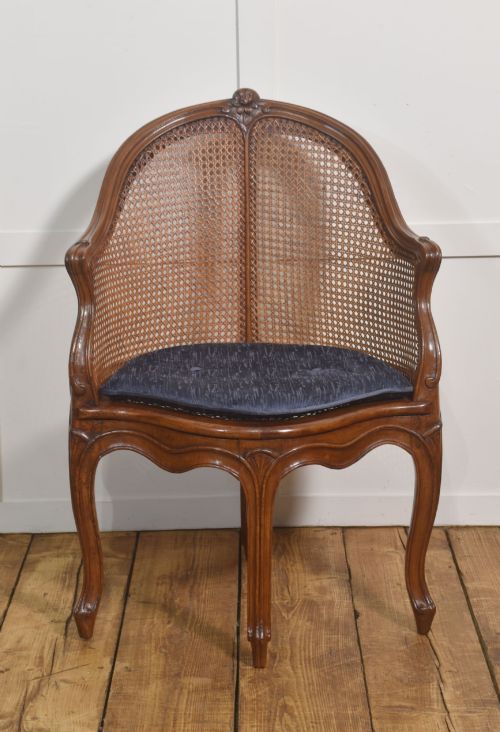
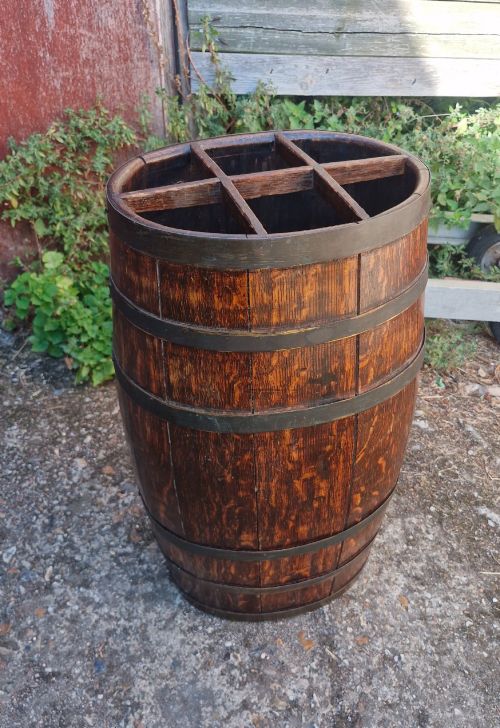
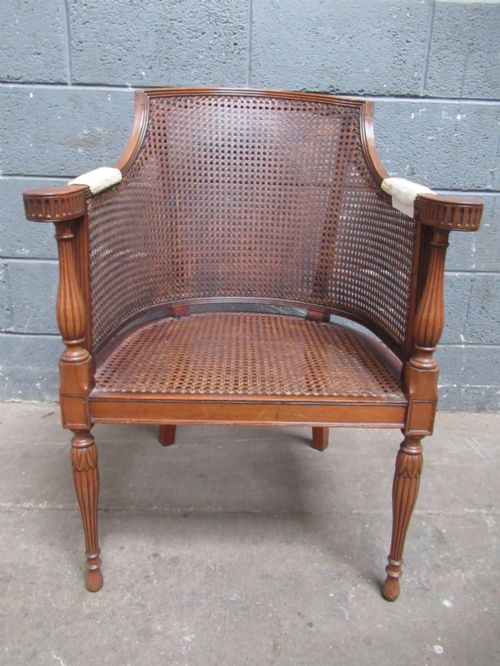
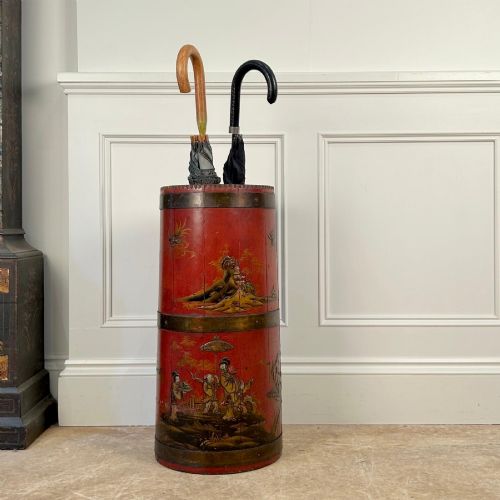
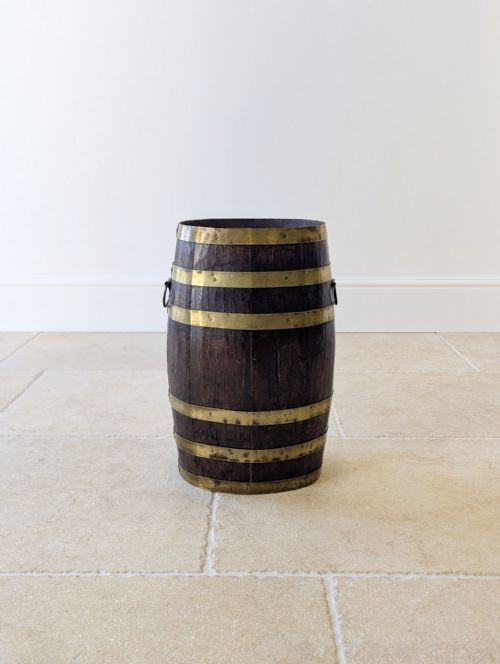
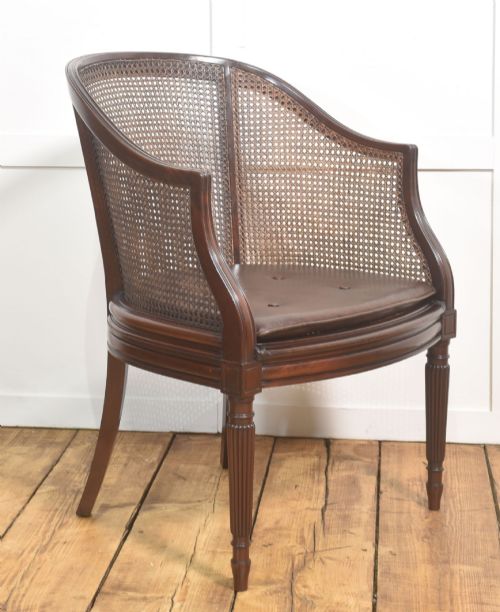
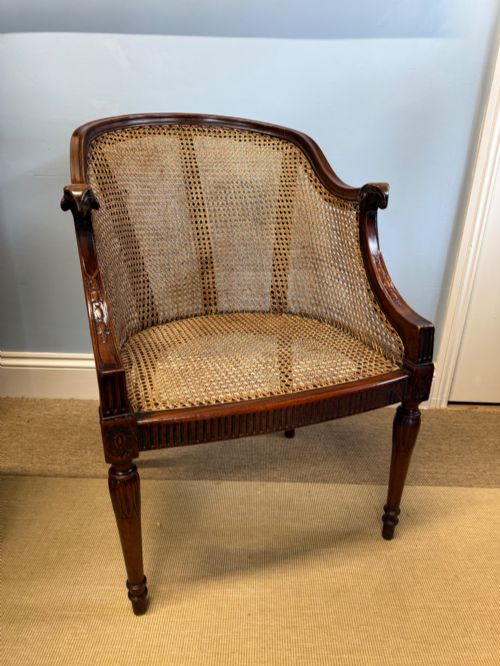
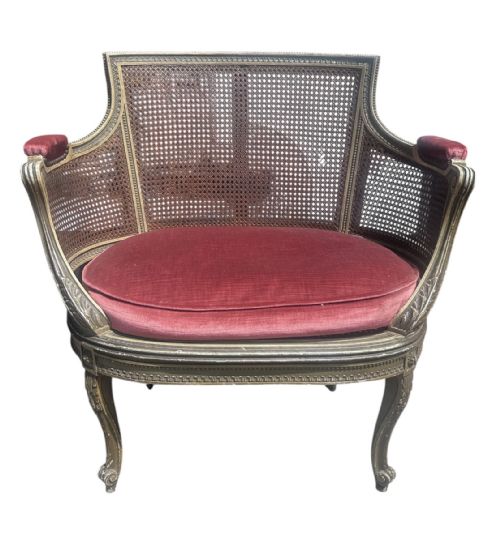
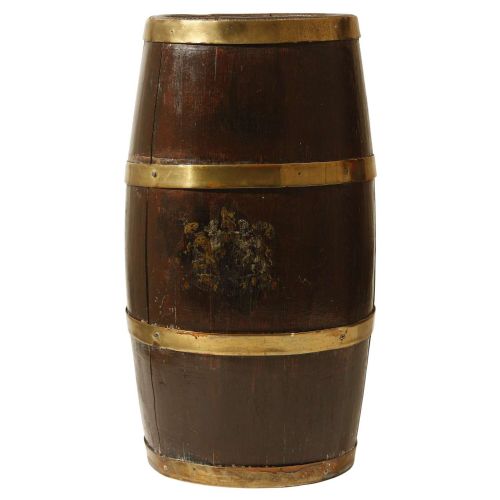
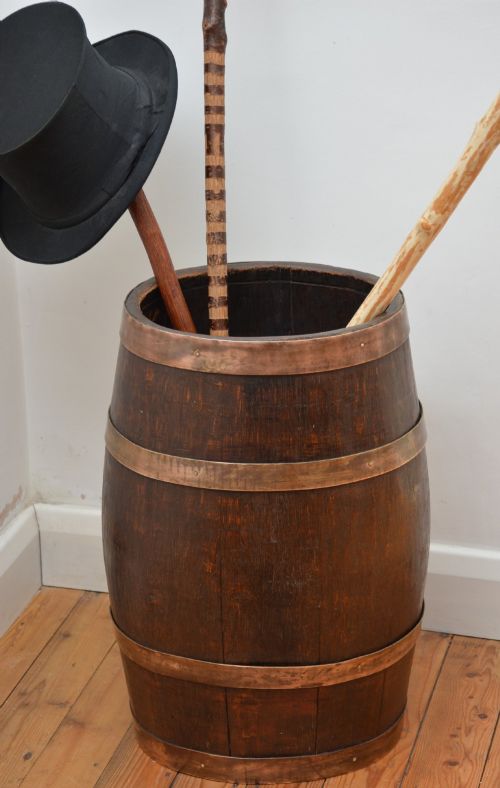
When searching for an antique cane barrel, buyers encounter two distinct forms: cylindrical coopered vessels designed for holding umbrellas and walking sticks, and seating furniture incorporating woven cane panels.
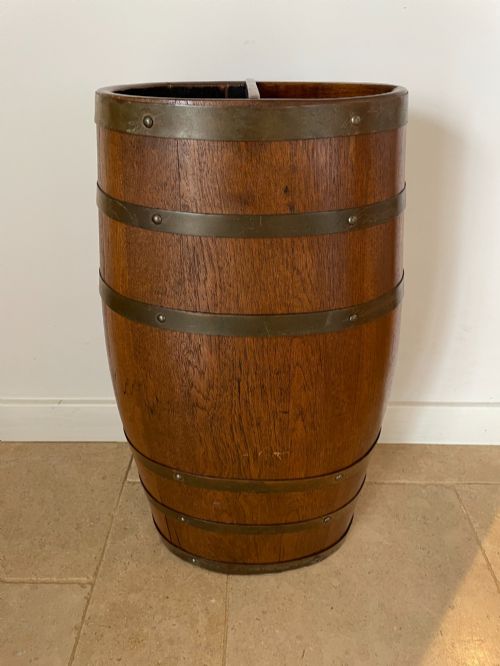
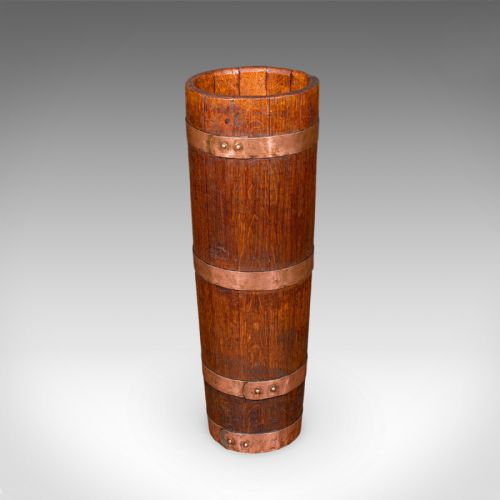
The stick and umbrella stands utilise oak or mahogany bound with brass, copper or iron bands, echoing the construction of traditional drinking casks. Meanwhile, seating examples appear as tub chairs, bergères and library armchairs featuring flexible cane panels within wooden frames.
These pieces emerge principally from the Victorian and Edwardian eras, alongside French Louis XV style adaptations and earlier nineteenth century workshops.
Materials and construction methods
Coopers built the barrel stands using curved wooden staves of oak or mahogany held tightly together by heavy metal braces in brass, copper and iron. This technique creates a self-supporting cylinder capable of withstanding the damp weight of wet umbrellas.
Seating forms rely on sturdy hardwood frames in walnut, mahogany or simulated rosewood fitted with woven cane work. Artisans threaded natural cane through drilled holes in the timber frame to produce a resilient, breathable support for the seat and back.
Antique Cane Barrel Retail Price Guide 2026
Typical asking prices for cane barrel among the pieces listed under this phrase on Sellingantiques today, from the lower quarter to the upper quarter. They describe what is for sale here now, not the wider market.
The inventory records pieces spanning the Regency period through the Edwardian era, incorporating French Louis XV and Chinoiserie styles.
Differentiating quality across examples
The distinction between standard utility items and superior pieces lies in the precision of the cooperage and the intricacy of the metalwork. Finely made barrel stands feature tightly joined staves and substantial cast brass or copper mounts with crisp detailing rather than simple iron hoops.
For seated furniture, quality shows in the tightness of the woven cane work and the carving of the surrounding wooden frame. Pieces retaining crisp moulded details and intact, evenly tensioned cane panels represent the better end of the spectrum.
The Antique Cane Barrel Glossary
- Coopered
- Constructed from curved wooden staves joined edge to edge to form a hollow cylinder. This traditional method mimics the creation of drinking casks and wine barrels.
- Bergère
- An enclosed upholstered or caned armchair with solid sides. The back and arms curve smoothly into a single upholstered unit.
- Tub chair
- A seating form featuring a continuous curved back and arms that wrap around in a deep semi-circle. These often incorporate woven cane panels along the outer back.
- Staves
- The narrow strips of timber fitted together vertically to form the curved sides of a barrel or stick stand. Their precise shaping ensures a watertight or rigid cylinder.
- Japanned
- Finished with a hard, glossy black or dark resinous varnish in imitation of East Asian lacquerwork. This treatment appears on decorative Edwardian umbrella stands.
Antique Cane Barrel: Frequently Asked Questions
How do I clean a cane seat?
Wipe the woven cane gently with a damp cloth using warm water and mild soap to remove dust. Avoid soaking the material, as excess moisture causes the natural fibres to become brittle and snap.
Allow the cane to dry naturally in a well-ventilated room away from direct heat sources. Applying a very light coat of boiled linseed oil periodically helps maintain flexibility.
Can these barrels hold wet umbrellas?
Most antique barrel stands were constructed by coopers using traditional timber staves designed to handle daily use in damp hallways. However, modern users often place a small hidden plastic tray or saucer inside the base to catch standing water.
Protecting the interior wood from prolonged moisture prevents the metal bands from rusting and preserves the structural integrity of the base staves.
What is the difference between a tub chair and a bergère?
A tub chair derives its name from the deep, rounded enclosing shape of the back and arms, which resembles an open wooden tub. These frequently feature cane panels set into the wooden frame.
A bergère specifically denotes a French style of armchair characterised by enclosed sides and a low seat, often pairing exposed wooden frames with woven cane or loose squab cushions.
How do I date an oak barrel stand?
Examine the construction marks, the type of metal used for the bands, and the overall timber patina. Early nineteenth-century examples often display hand-beaten copper or heavy brass braces secured with hand-cut fasteners.
Later Victorian and Edwardian productions tend to utilise machine-rolled brass bands and standardised fixtures. Comparing the timber grain and wear patterns against dated benchmark pieces clarifies the production period.