




Antique Candle Tray
An antique candle tray gathers wax safely while bringing polished metal or rich timber to a table.
Antique Candle Tray
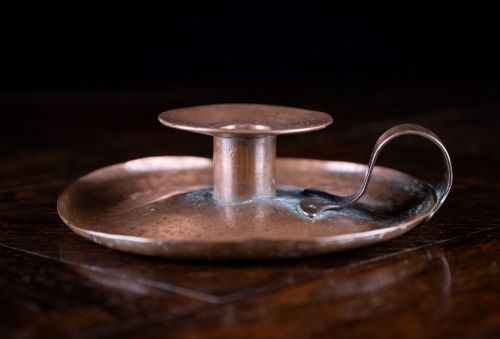
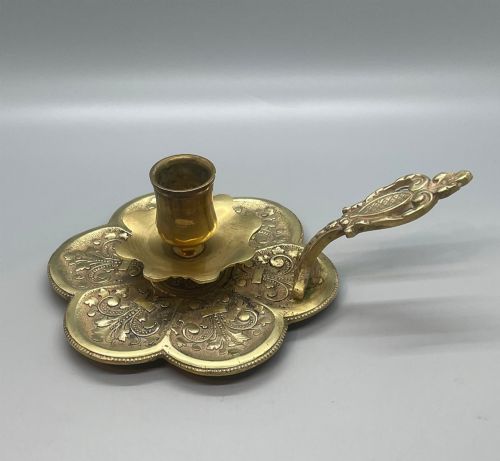
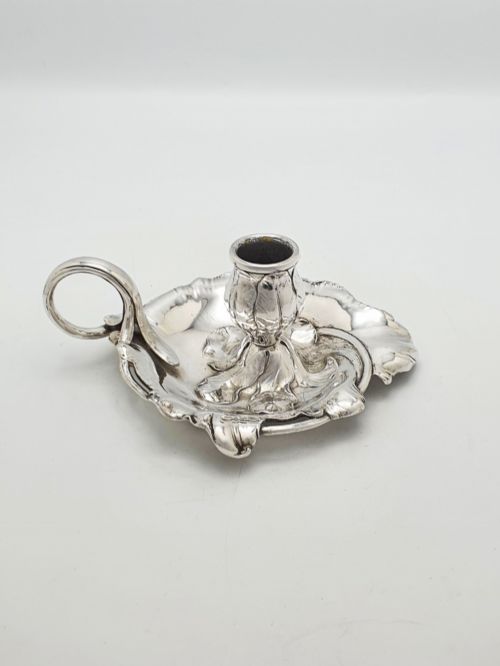
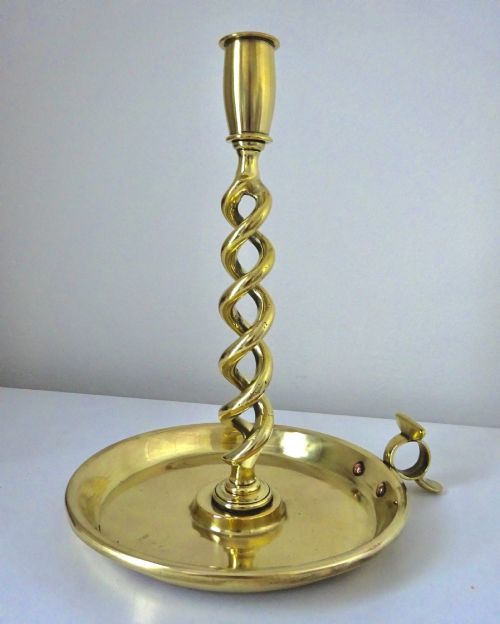
An antique candle tray serves to catch dripping wax and transport a flame safely from room to room. Buyers seeking this form encounter shallow dishes paired with snuffers, fitted chambersticks in brass or silver plate, and larger mahogany tray-top tables designed to hold lighting. Examples span the eighteenth, nineteenth, and early twentieth centuries, encompassing Georgian silver pieces, Victorian brass designs, and Edwardian travelling forms.
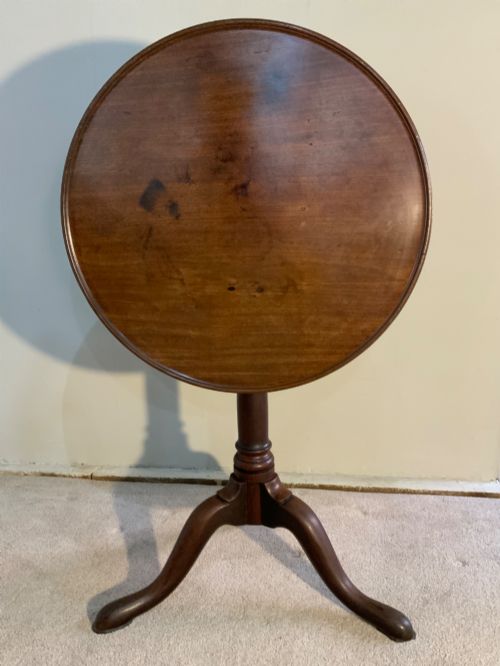
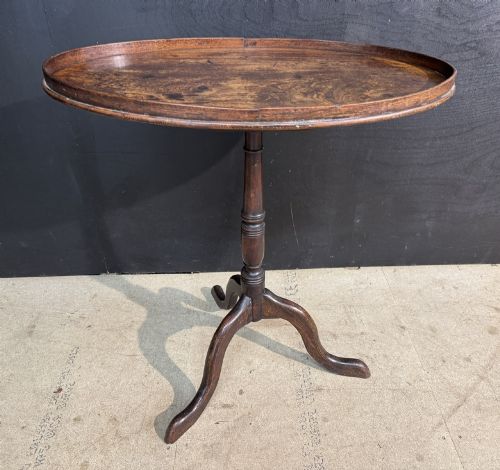
Brass and silver plate dominate the smaller portable chambersticks and snuffer sets, frequently incorporating finger rings and fitted sockets. Timber versions, notably in mahogany and oak, appear as tilt-top tables, torchieres, and side tables with raised edges to secure lighting. French Rococo revival and Art Nouveau items introduce decorative leaf motifs and sculptural forms to the category.
Materials and construction
Metal items utilise cast brass, silver plate, paktong, and sterling silver, often shaped through casting, turning, and hammering. Brass components show the hand of the metalworker in twisted stems and riveted bases, while silver plated and Old Sheffield plated examples display fused layers over base metal. Chambersticks often include matching snuffer scissors designed to rest securely in fitted brackets on the tray base.
Wooden pieces rely on mahogany, oak, thuyawood, and olive wood, shaped into tripod tables and portable travelling items like Brighton buns. Tray-top tables employ raised mouldings attached to the perimeter to secure items, combined with tilt-top mechanisms or solid pedestals. Joinery reflects the period of manufacture, from eighteenth-century pegging to nineteenth-century turning.
Antique Candle Tray Retail Price Guide 2026
Typical asking prices for candle tray among the pieces listed under this phrase on Sellingantiques today, from the lower quarter to the upper quarter. They describe what is for sale here now, not the wider market.
Materials span hard-wearing paktong, decorative marble, and exotic thuyawood, alongside traditional oak and sterling silver.
Assessing quality and finish
Quality rests in the crispness of casting for metal items and the selection of timber grain for wooden examples. Heavy gauge brass and substantial silver plating distinguish the better chambersticks, while crisp floral chasing and well-defined crests elevate silver trays. In mahogany and hardwood tables, figured timber veneers and sturdy, original tilt-top mechanisms separate superior pieces from standard workshop output.
Completeness dictates value within this category, particularly where snuffer sets accompany trays or matched pairs survive intact. Maker attribution and hallmarking provide further distinction, with stamped culls, silversmith marks, and documented factory output confirming origin. The integration of fitted sockets and sound mechanical hinges on travelling pieces indicates careful original manufacture.
Peter and Anne Bateman·Gillows·Benhan and Froud·WMF
The Antique Candle Tray Glossary
- Chamberstick
- A portable candlestick mounted in a shallow tray or saucer, fitted with a handle for carrying through a house. These items often include a conical snuffer resting in a clip.
- Paktong
- A copper-nickel-zinc alloy originating from China, utilised in eighteenth-century metalwork for its bright, silver-like appearance and durability. It mimics sterling silver without the associated cost.
- Torchere
- A tall stand or pedestal designed specifically to support a candle or candelabrum. Eighteenth and nineteenth-century versions frequently employ carved mahogany with tripod bases.
- Brighton bun
- A compact, turned wooden travelling candlestick that unscrews to store the candle safely inside. Olive wood and other dense hardwoods were chosen for durability during transit.
- Old Sheffield plated
- A composite material made by fusing a thin sheet of silver to a thicker copper base under heat and pressure. This technique predates modern electroplating.
Antique Candle Tray: Frequently Asked Questions
What is an antique candle tray used for?
These trays catch melting wax and provide a secure base for carrying a lit candle through darkened rooms. Many incorporate integrated holders or matching snuffers to extinguish the flame safely.
Larger wooden tray-top tables serve a similar containment purpose for candlesticks and lighting accessories in a formal reception space.
How do I clean brass chambersticks?
Gentle dusting with a soft cloth preserves the patination accumulated over centuries of use. Avoid harsh chemical polishes that strip away the aged surface character.
For silver plated items, warm soapy water and a non-abrasive cloth maintain the finish without damaging the underlying metal layers.
Are all chambersticks made of brass?
Metal examples span brass, cast brass, paktong, sterling silver, and silver plate, alongside Grand Tour marble pieces. Each material offers a different weight and visual texture.
Wood versions also appear in mahogany, oak, thuyawood, and olive wood, functioning as portable travel items or small tables.
How do I date an antique candle tray?
Dating relies on material composition, manufacturing techniques, and stylistic markers such as Art Nouveau leaf motifs or Georgian mahogany turnings. Silver pieces frequently carry hallmarked dates or maker stamps.
Construction details, including the method of joining tray rims to bases, help place items within the eighteenth or nineteenth centuries.