





Antique Candelabra Fixture
An antique candelabra fixture brings undeniable grandeur to a room, offering both dramatic illumination and sculptural presence.
Antique Candelabra Fixture
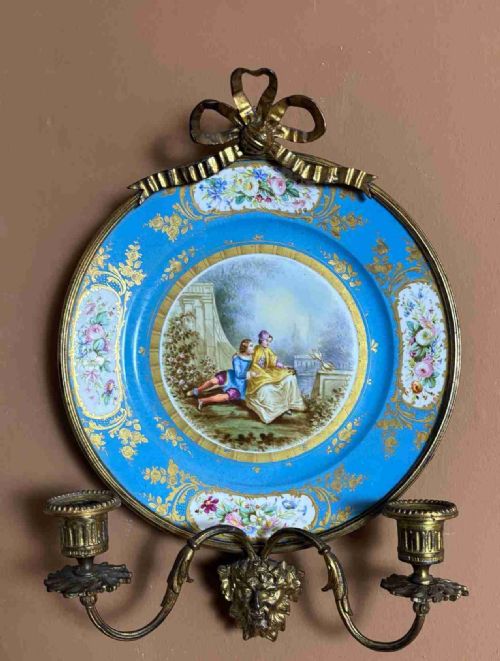
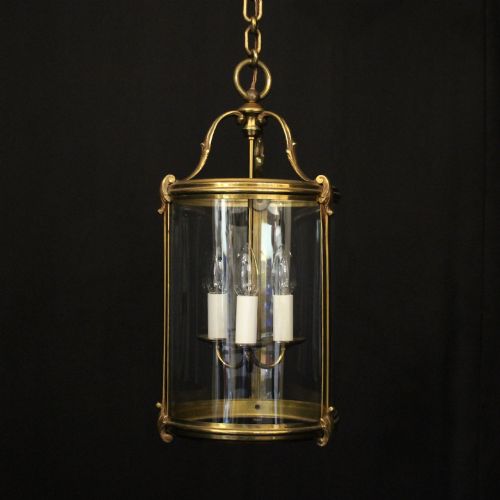
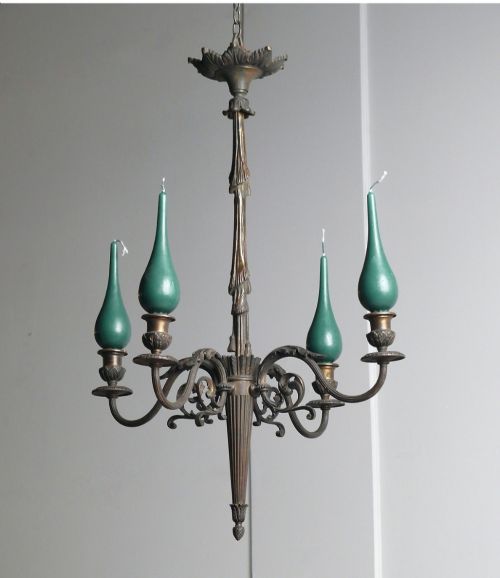
An antique candelabra fixture encompasses an array of decorative lighting forms, from multi-branched chandeliers and wall sconces to converted table lamps and hall lanterns. When exploring an antique candelabra fixture, one frequently encounters French designs spanning the nineteenth century alongside Victorian examples.
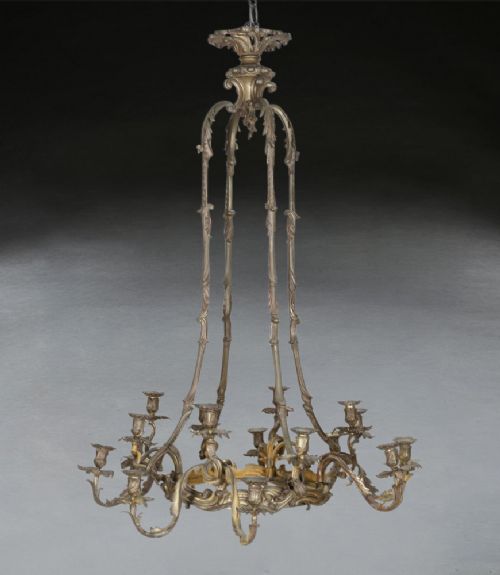
The selection ranges from intimate three-branch table fixtures to monumental sixteen-light bronze chandeliers and figural torchères. These pieces originate primarily from nineteenth-century workshops, drawing upon Regency, Rococo, Gothic, and Art Nouveau traditions.
How they were made
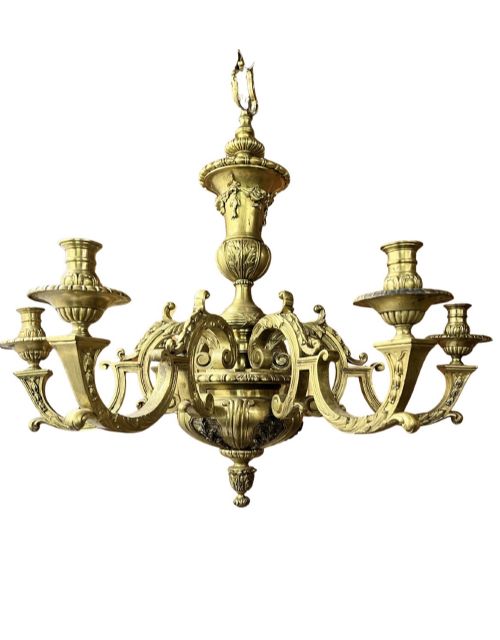
Constructed predominantly from cast bronze, brass, and gilt metals, these fixtures rely on traditional foundry and metalworking methods. Gilt bronze and ormolu finishes provide a rich surface texture, often paired with patinated bronze details.
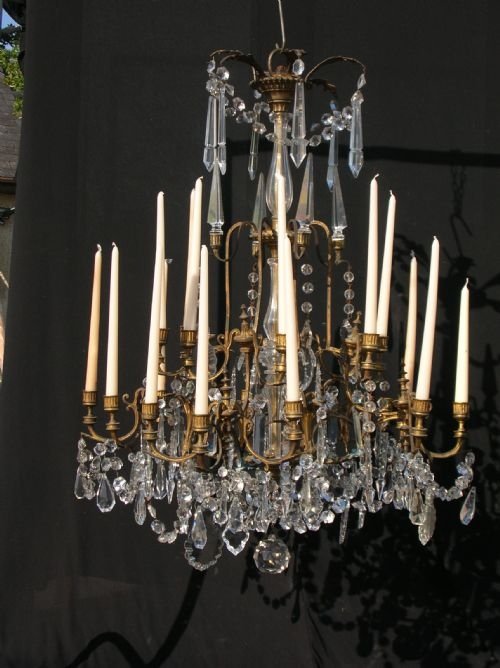
Many designs incorporate cut glass and crystal prisms suspended to refract light from multiple branches. Fabric elements occasionally appear in supporting roles, while structural frames utilise robust metal armatures designed to support heavy candle or lamp tiers.
Antique Candelabra Fixture Retail Price Guide 2026
Typical asking prices for candelabra fixture among the pieces listed under this phrase on Sellingantiques today, from the lower quarter to the upper quarter. They describe what is for sale here now, not the wider market.
Current listings feature pieces spanning the Regency period through the 1930s, constructed in bronze, brass, and crystal.
What varies in quality
Quality rests upon the crispness of the metal casting and the depth of the chasing work, where superior examples display sharp botanical or figural details. The calibre of the gilt or patinated finish distinguishes workshop standards, alongside the clarity and weight of integrated crystal components.
Proportion and architectural coherence dictate the success of the piece, particularly in larger multi-branch chandeliers and converted candelabra. Original patination and the integrity of the structural joints further separate standard production items from exceptional commissions.
François-Christophe-Armand Toussaint
The Antique Candelabra Fixture Glossary
- Ormolu
- Gilded bronze produced through a mercury amalgamation process common in nineteenth-century French manufacturing. This technique creates a distinctive warm metallic lustre that endures on fine fixtures.
- Girandole
- A branched wall sconce or table candelabrum featuring reflective backplates or crystal drops. The design multiplies the available light through strategic reflection.
- Torchère
- A freestanding or wall-mounted stand designed to hold a light source, often taking a figural form. These pieces provide significant vertical emphasis within a scheme.
- Patination
- The surface sheen and colour acquired by metal through age, handling, and oxidation. It serves as an indicator of authenticity and historical depth.
Antique Candelabra Fixture: Frequently Asked Questions
How do I hang a heavy brass chandelier?
Heavy fixtures require direct anchoring into ceiling joists using a rated structural hook rather than standard plaster fixings. Professional installation ensures the weight of the metal and crystal is safely supported.
Electrical conversion should also be inspected by a qualified electrician to verify that internal wiring meets current safety standards before suspension.
Can converted candelabra be restored to candles?
Many table lamps and wall fixtures originated as candelabra before receiving electrical fittings in later decades. Reversing this conversion depends on whether original sockets and drip pans remain intact.
Consulting a specialist metalworker helps determine if the internal wiring channels can be removed without compromising the historical fabric of the bronze or brass.
How do I clean antique gilt bronze?
Gilt bronze and ormolu require gentle dusting with a soft, dry brush to prevent the accumulation of dirt in recessed chasing. Avoid commercial chemical cleaners that strip the historic surface.
Moisture should be kept away from fabric components and crystal mountings during routine maintenance to protect delicate adhesives and older pins.
What distinguishes Regency from Victorian styles?
Regency fixtures typically exhibit classical restraint, clean architectural lines, and precise neoclassical ornamentation inspired by antiquity. They frequently employ crisp gilt bronze and balanced crystal arrangements.
Victorian designs often embrace greater ornamentation, incorporating Gothic revival motifs, heavier cast brass, and more exuberant sculptural forms within the same room.