

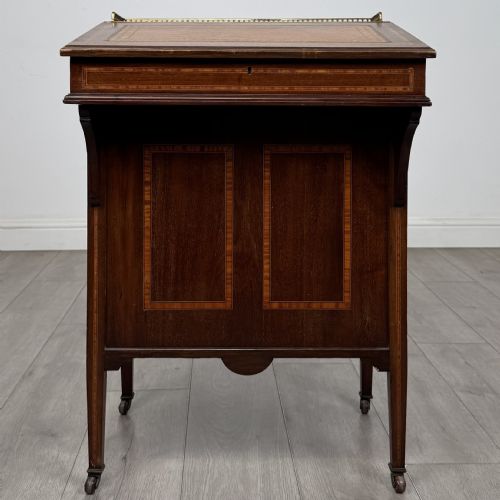
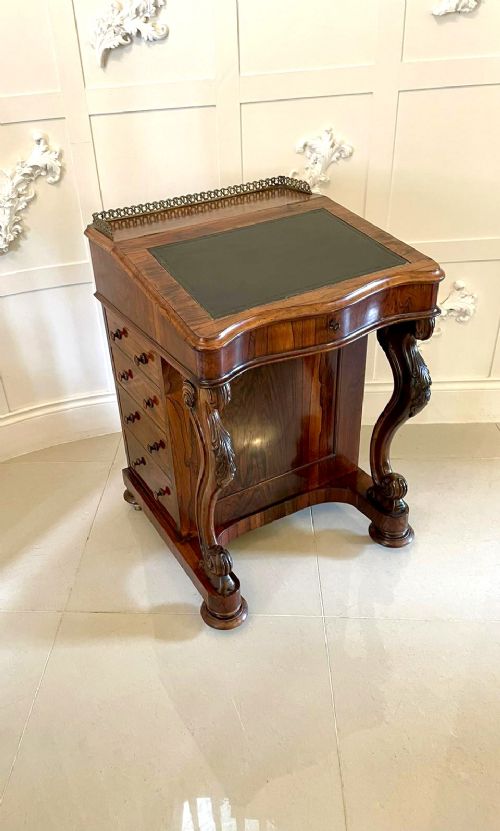
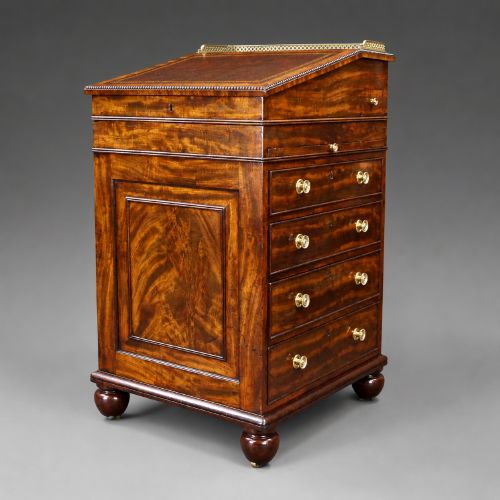

Antique Cabinet with Brass Gallery
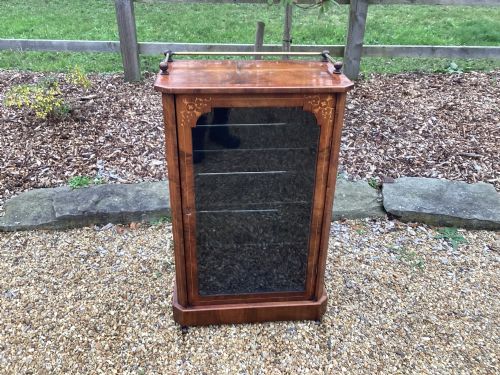
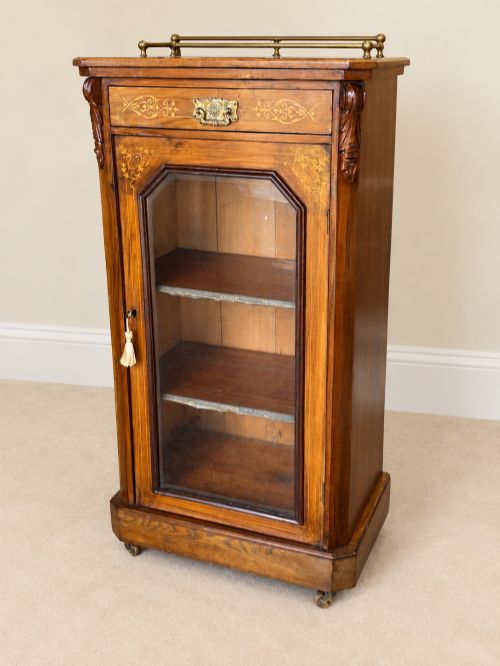
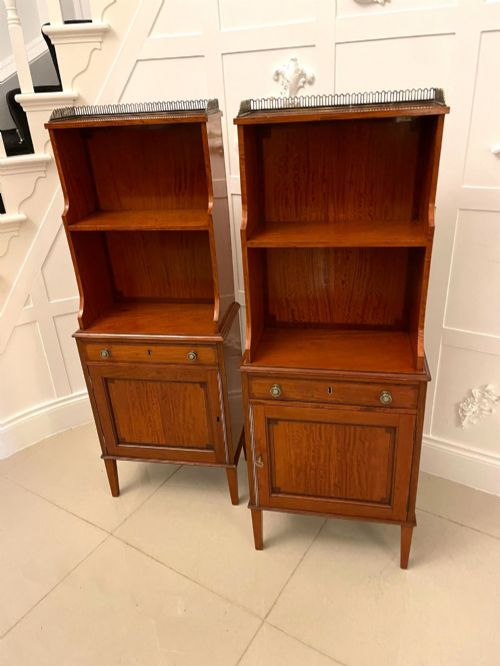
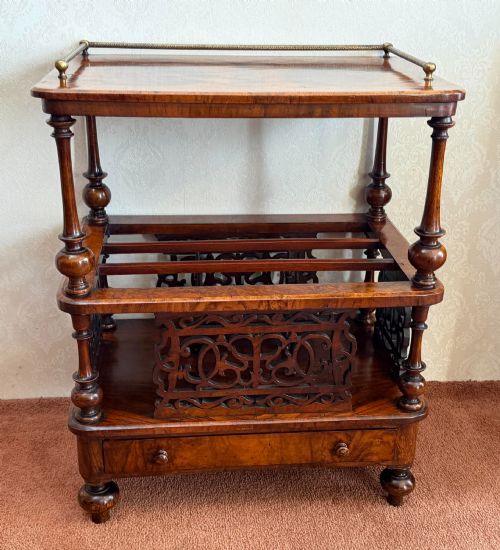
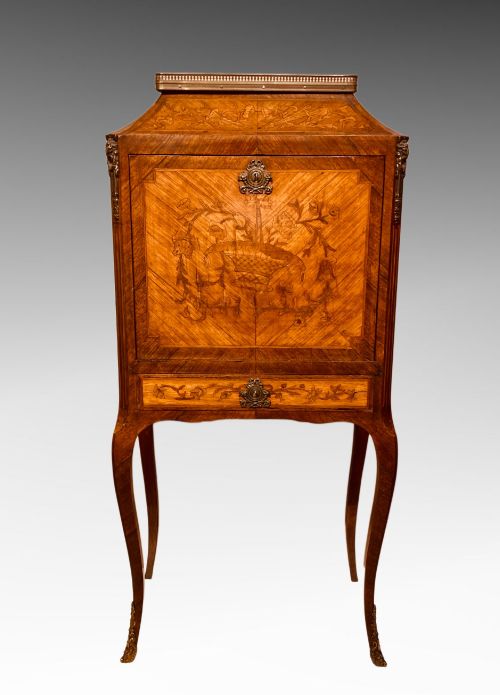
An antique cabinet with brass gallery brings refined metalwork and rich timber together to organise your study or salon with period elegance.
Antique Cabinet with Brass Gallery
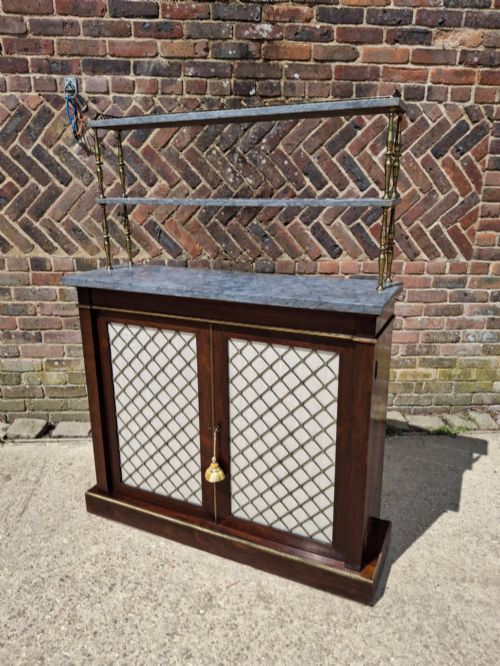
When you search for an antique cabinet with brass gallery, you encounter a selection of practical furniture spanning the Georgian, Regency, Victorian, and Edwardian eras. These pieces bridge the gap between display furniture and utilitarian storage.
Originating primarily from British workshops, these cabinets combine surfaces for writing or display with enclosed storage compartments, finished with decorative metal galleries designed to keep items secure.
How they were made
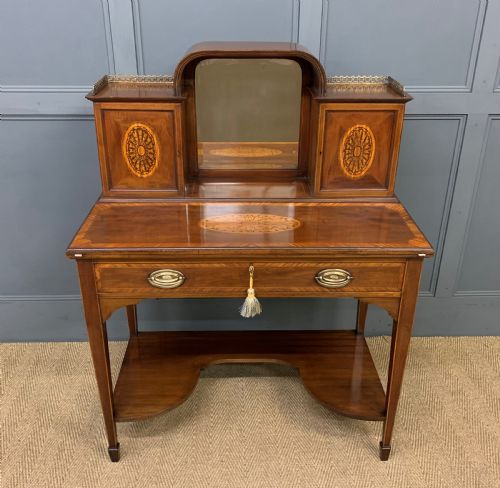
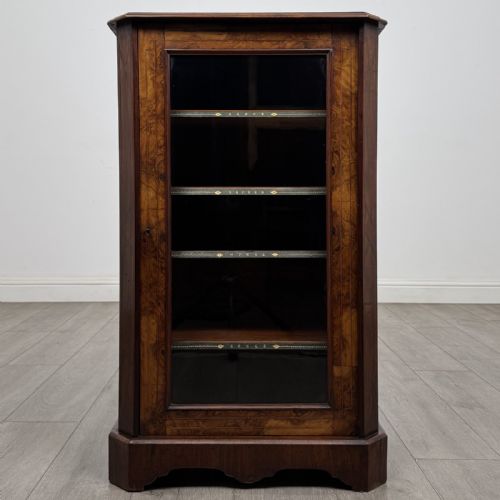
Cabinet makers utilised dense hardwoods like mahogany and rosewood, frequently incorporating decorative veneers such as satinwood inlay, flame mahogany, and burr walnut to create striking visual contrast on flat surfaces.
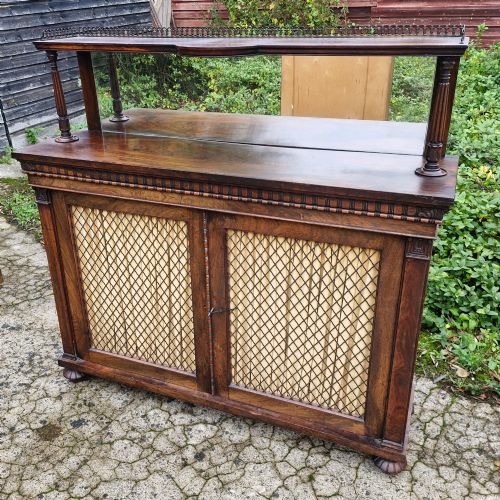
Structural embellishments include cast brass galleries fitted to the upper surfaces, parcel gilding, and inset leather writing panels, demonstrating traditional joinery and metalworking techniques of the nineteenth century.
Antique Cabinet with Brass Gallery Retail Price Guide 2026
Typical asking prices for cabinet with brass gallery among the pieces listed under this phrase on Sellingantiques today, from the lower quarter to the upper quarter. They describe what is for sale here now, not the wider market.
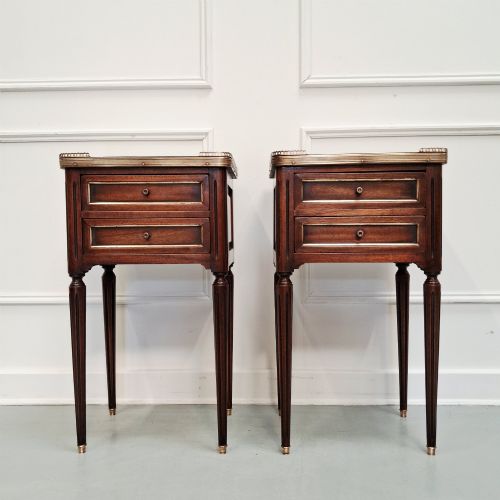
Listings span the Regency, Victorian, and Edwardian periods, featuring materials from standard mahogany to exotic satinwood and breche d'alep marble.
What varies in quality
The distinction between standard examples and the finest pieces rests upon the choice of timber figurations, such as highly figured flame mahogany or select rosewood, and the crispness of secondary details like satinwood stringing.
Superior execution shows in the integration of the brass gallery, the precision of drawer construction, and the inclusion of specialised elements such as sliding tops or fitted writing drawers.
Gillows
The Antique Cabinet with Brass Gallery Glossary
- Brass gallery
- A low decorative railing of pierced or spindle brass fitted to the top edge of a cabinet or desk to prevent items from sliding off. It defines the profile of many Regency and Victorian pieces.
- Davenport
- A compact writing desk featuring a sloping, hinged writing surface above a pedestal of drawers. It gained popularity during the Regency period.
- Chiffonier
- A low sideboard or cabinet developed in the early nineteenth century, typically featuring shelves above the main body for display or storage. They often incorporate enclosed cupboards below.
- Parcel gilt
- Partially gilded timber surfaces where thin layers of gold leaf highlight carved details or architectural mouldings. This technique adds subtle contrast against dark hardwoods.
Antique Cabinet with Brass Gallery: Frequently Asked Questions
What is a brass gallery?
A brass gallery is a decorative metal railing attached to the top surface of a cabinet, desk, or sideboard. It functions to keep books, papers, or decorative objects from sliding off the edge.
These galleries range from simple spindles to pierced brass sheets, adding a distinctive metallic trim to the timber structure.
How do I identify a Davenport?
A Davenport is a small, boxy writing desk with a sloping top covered in leather or wood. The writing surface lifts to reveal a compartment for stationery.
Below the slope, drawers typically open to one side while dummy drawers balance the opposite exterior, making them compact pieces for smaller rooms.
Where were these cabinets used?
These cabinets served primarily in private studies, drawing rooms, and libraries of grand homes. They provided a dedicated surface for correspondence and a secure place to store papers.
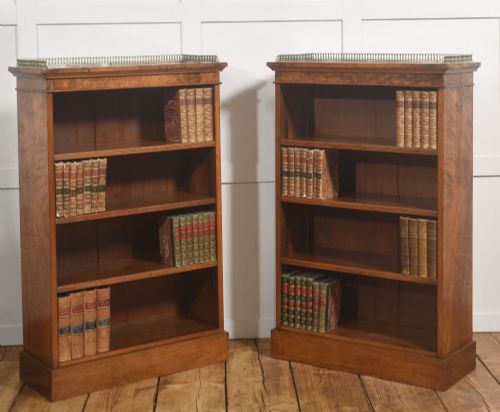
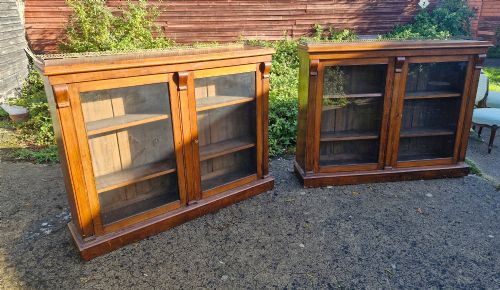
Chiffoniers and open bookcases were placed in living spaces to display ceramics, books, or small ornaments while keeping household items close at hand.
Which timbers are most common?
Mahogany and rosewood appear most frequently across these listings, often selected for their deep grain and durability. Cabinet makers also utilised burr walnut and satinwood for decorative contrast.
Finer examples employ flame veneers or incorporate parcel gilt details to enhance the visual depth of the timber.