





Antique Cabinet Figurine
These antique cabinet figurine pieces bring intricate miniature sculpture into your home, offering small-scale historic charm for collectors.
Antique Cabinet Figurine
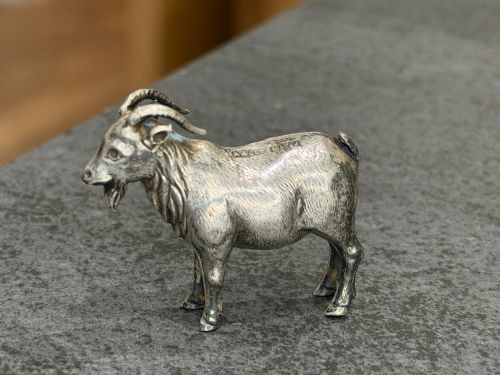
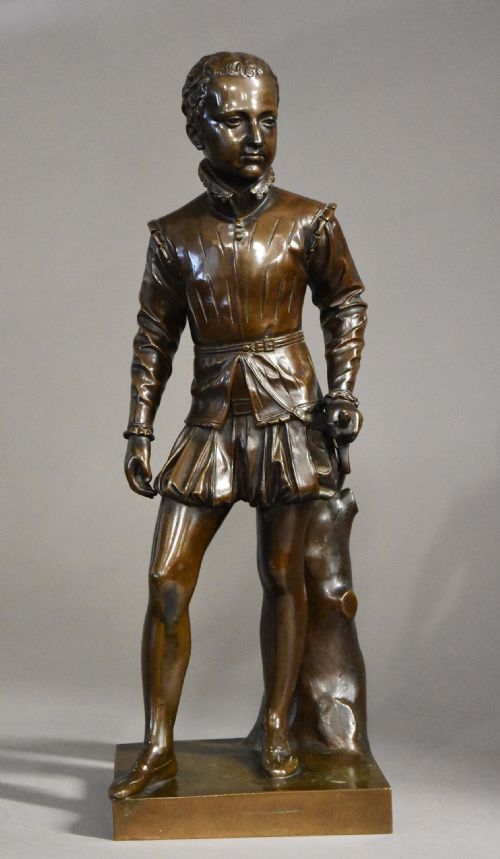
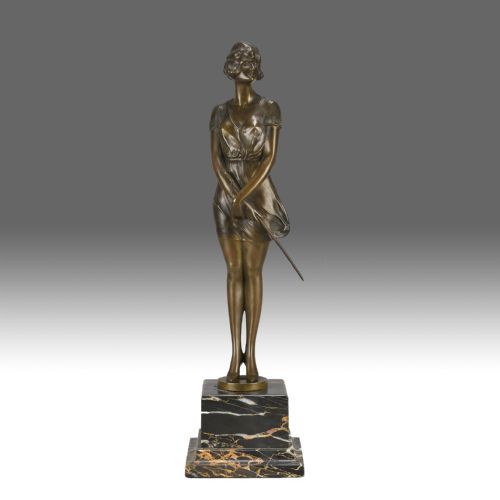
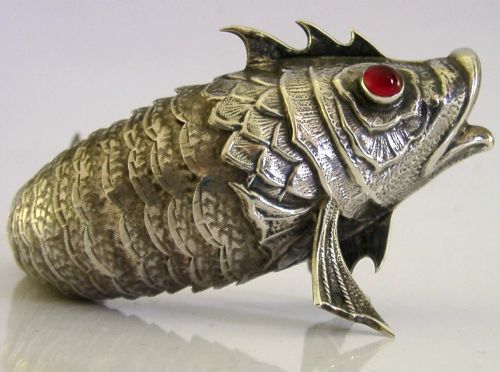
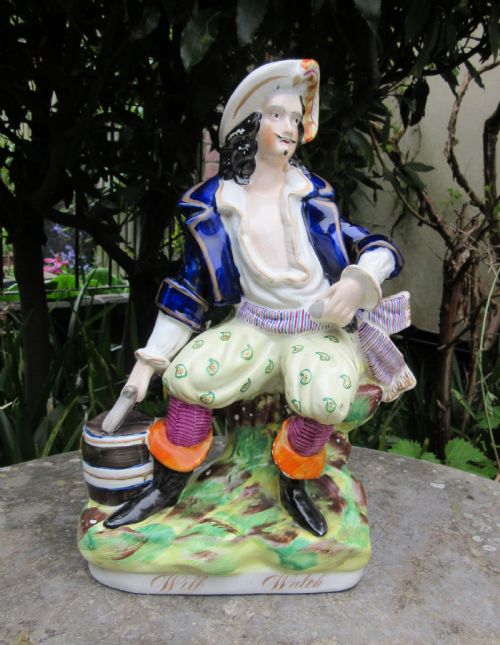
When searching for an antique cabinet figurine, collectors encounter a diverse array of small-scale sculptures, silver miniatures, and decorative objects designed for display within cabinetry. These pieces span multiple centuries, ranging from eighteenth-century porcelain and carved boxwood to nineteenth-century French bronze and Edwardian memento mori figures.
Buyers are most likely to meet cabinet pieces created during the nineteenth and early twentieth centuries, though earlier eighteenth-century examples occasionally appear. Each object serves as a concentrated example of period craftsmanship, suited to intimate display spaces.
Materials and construction methods
Materials utilised in these pieces reflect considerable variety, encompassing cast bronze with gold leaf, solid sterling silver and Hanau silver, carved Derbyshire alabaster, boxwood and ivory, alongside polychromed wood and fine porcelain. Metalworks rely on traditional casting and chasing techniques, while wooden figures demonstrate precision carving.
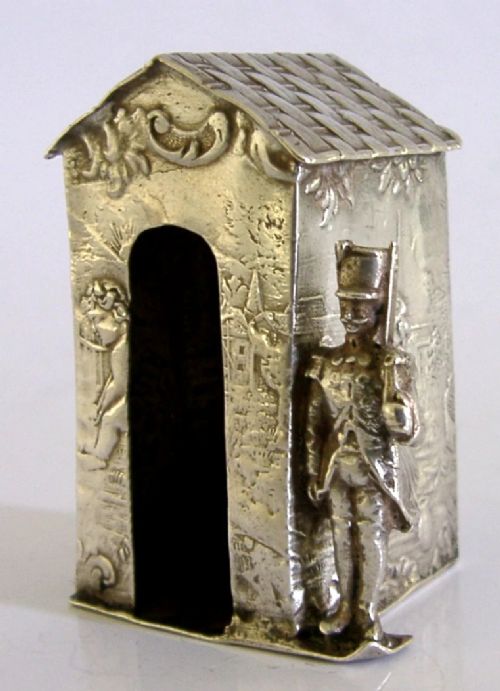
Surface decoration frequently involves hand-painting, enamel detailing, and polychrome pigments, particularly on ceramic and wooden sculptures. Artisans employed specialised metalworking methods for articulated silver figures and miniature sentry posts, ensuring complex small-scale movement and structural integrity.
Antique Cabinet Figurine Retail Price Guide 2026
Typical asking prices for cabinet figurine among the pieces listed under this phrase on Sellingantiques today, from the lower quarter to the upper quarter. They describe what is for sale here now, not the wider market.
Materials represented across the inventory include bronze, sterling silver, gold leaf, marble, glass, boxwood, ivory, alabaster, and enamel.
Assessing craftsmanship and execution
Quality in an antique cabinet figurine is distinguished by the crispness of the casting, the fineness of the hand-carved details, and the precision of any polychrome or enamel decoration. Superior examples demonstrate anatomical accuracy and expressive depth in the subject matter, whether rendering human figures or animals.
The reputation of the maker or foundry, evidenced by foundry stamps or historical attribution, elevates a piece significantly. Furthermore, the preservation of original surface treatments - such as gold leaf, delicate ivory work, or handpainted glazes - governs the desirability and aesthetic success of the object.
Barbedienne·Bruno Zach·Bright And Sons·Simon Troger·KPM Berlin
The Antique Cabinet Figurine Glossary
- Hanau silver
- Continental silver manufactured in Germany, often imitating earlier antique styles and miniature forms. It frequently bears pseudo-hallmarks designed to mimic historic English silver.
- Memento mori
- An artistic symbolic reminder of the inevitability of death, commonly depicted through skeleton figures. These intimate objects were popular in the Edwardian era and earlier periods for contemplation.
- Polychromed
- Decorated in several colours, typically applied to wood, plaster, or ceramic surfaces. This technique adds realistic depth and regional character to folk art sculptures.
- Boxwood
- A dense, hard pale wood favoured by master carvers for intricate miniature detail. Its fine grain prevents splintering during complex sculptural work.
- Articulated
- Constructed with movable joints, allowing parts of the miniature figure or animal to shift. This mechanical complexity is particularly prized in silver toys and decorative novelties.
Antique Cabinet Figurine: Frequently Asked Questions
What is an antique cabinet figurine?
An antique cabinet figurine is a small-scale sculpture or decorative object designed to be displayed inside a collector's cabinet or vitrine. These pieces encompass miniature bronzes, carved ivories, silver toys, and porcelain figures.
Created across various European traditions, they allow collectors to house diverse historical periods and artistic styles within a compact domestic space.
How were silver miniatures used?
Silver miniatures and novelty figures served primarily as decorative table pieces, cabinet displays, or elaborate toys for affluent households. Hanau silver pieces often recreated historical scenes or military guards on a diminutive scale.
Many incorporated articulated joints, offering interactive entertainment alongside their visual appeal in formal rooms.
How do I date an antique figurine?
Dating relies on examining the material composition, manufacturing techniques, stylistic markers, and any maker marks or foundry stamps present on the piece. Eighteenth-century works often show distinct ceramic pastes or hand-carved tool marks compared to later industrial methods.
Comparing stylistic traits, such as Art Deco geometries or Victorian naturalism, helps narrow the period of origin.
Where should I display small sculptures?
Small sculptures and cabinet figures suit enclosed glass display cases, bookshelves, or mantelpieces where they are protected from accidental damage and heavy dust. Proper placement allows viewing from multiple angles, particularly for fully rendered bronzes or carved animals.
Lighting should be indirect to prevent fading on delicate polychrome surfaces or organic materials like ivory and wood.