





Antique Cabinet Bun Feet
These antique cabinet bun feet support substantial pieces from the seventeenth and eighteenth centuries, bringing solid presence to period rooms.
Antique Cabinet Bun Feet
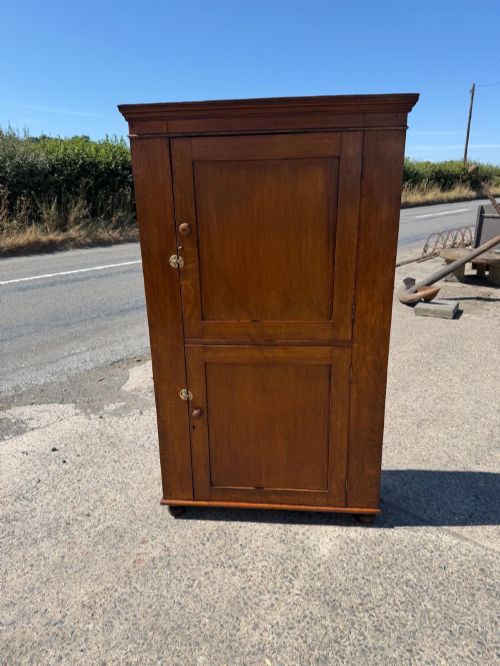
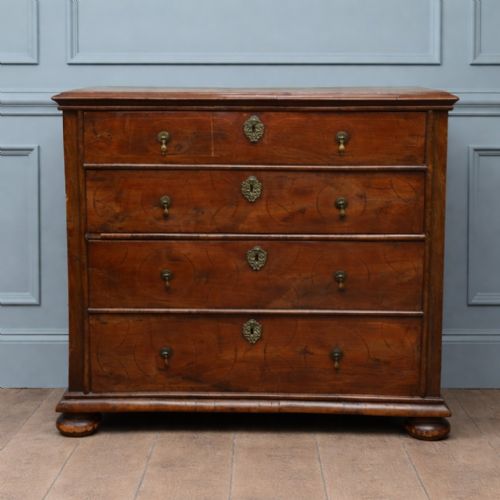
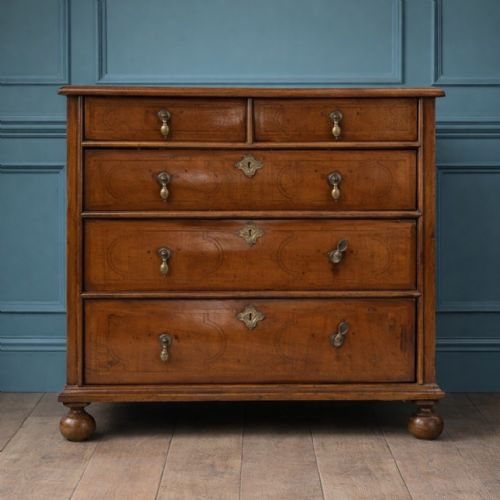
When searching for antique cabinet bun feet, buyers encounter robust storage furniture resting on distinct, rounded wooden supports characteristic of earlier eras. The pieces on this page span the seventeenth century, the eighteenth century, and the Victorian period, offering a tangible link to domestic history.
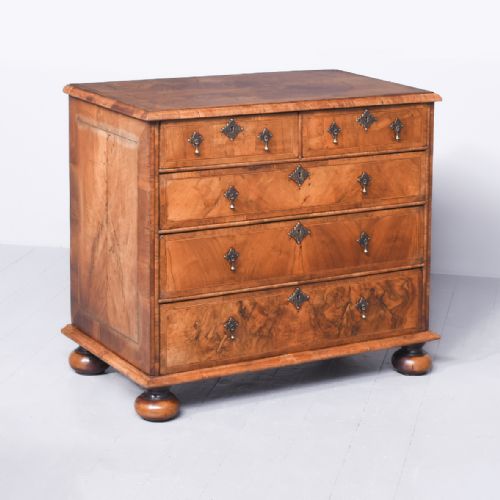
The selection ranges from diminutive miniature furniture to substantial chests of drawers, bureaux, and cabinets on chests. Walnut and oak dominate the forms, frequently enriched by intricate marquetry and figured veneers that define the aesthetic of these early periods.
William and Mary and Queen Anne styles predominate among the earlier items, bringing sophisticated cabinetry alongside the sturdy presence of the characteristic feet. Later Victorian interpretations also appear, adapting these traditional forms for subsequent generations.
Materials and construction
Cabinet makers utilised dense native timbers like oak and walnut, often selecting highly figured burr walnut, burr amboyna veneer, and olive wood for decorative exterior surfaces. These timbers were worked by hand, employing sophisticated joinery to create stable carcasses that could support heavy loads of drawers and writing compartments.
Surface ornamentation involved painstaking techniques such as floral marquetry and fruitwood inlay, creating intricate patterns across drawer fronts and cabinet doors. Brass handles and escutーカー were fitted to complement the dark tones of the polished wood and the distinctive shape of the bun feet below.
Cabinet forms include bureaux, miniature furniture, and large cabinets on chests supported by rounded wooden feet.
Qualities that set pieces apart
The sophistication of the timber selection largely dictates the standing of an individual piece, with richly figured burr walnut and complex marquetry elevating the visual impact. The crispness of the inlay and the depth of the natural wood grain reveal the skill of the original workshop.
Proportion and structural integrity matter immensely, particularly where miniature furniture or grand cabinets on chests are concerned. Original surfaces and patination earned through centuries of gentle use distinguish pieces that retain their historical integrity from those altered over time.
The Antique Cabinet Bun Feet Glossary
- Bun feet
- Spherical or slightly flattened wooden supports positioned beneath early chests and cabinets, lifting the timber carcass clear of damp floors. They provide a sturdy visual anchor for heavy seventeenth and eighteenth century furniture.
- Marquetry
- The art of forming decorative patterns on woodwork by fitting together small pieces of different coloured veneers. It frequently appears on seventeenth century walnut and floral designs.
- Burr walnut
- A highly prized timber grain obtained from walnut tree growths, displaying swirling knot patterns. Cabinet makers used it to create striking decorative surfaces on drawer fronts and panels.
- Bureaux
- Sloping-front writing desks fitted with internal compartments and drawers below. They often stand upon the characteristic bun feet seen in William and Mary designs.
- Cabinet on chest
- A tall storage form consisting of a main upper cabinet placed upon a lower chest base. These architectural pieces often showcase elaborate walnut veneers and marquetry.
Antique Cabinet Bun Feet: Frequently Asked Questions
What periods do these pieces date from?
The selection spans from the seventeenth century through the eighteenth century, with occasional Victorian examples. Earlier pieces often display William and Mary or Queen Anne stylistic traits.
Craftsmen during these eras relied heavily on walnut and oak, employing techniques like marquetry and oyster banding to decorate the surfaces before mounting the carcass on bun feet.
Are these pieces made of solid walnut?
Many items feature figured or burr walnut veneers applied over secondary woods rather than solid construction throughout. This technique allowed makers to display dramatic grain patterns across large cabinet and drawer surfaces.
Solid timbers like oak were frequently utilised for structural elements, internal linings, and drawer construction to ensure stability and long-term durability.
How do I care for antique walnut furniture?
Keep these pieces away from direct sunlight and heat sources to prevent the delicate walnut veneers and marquetry from drying out or splitting. Maintaining a stable indoor environment protects the historic wood finish.
Apply a traditional beeswax polish sparingly to nourish the timber and preserve the natural patination built up over centuries of handling.
What is miniature furniture?
Miniature furniture comprises small-scale chests and cabinets built with the same detailed joinery and materials as full-sized pieces. Cabinet makers often created them as masterworks or for display purposes.
These smaller items retain the characteristic bun feet and decorative veneers of their larger contemporaries while occupying significantly less floor space.