

Antique Cabinet Art
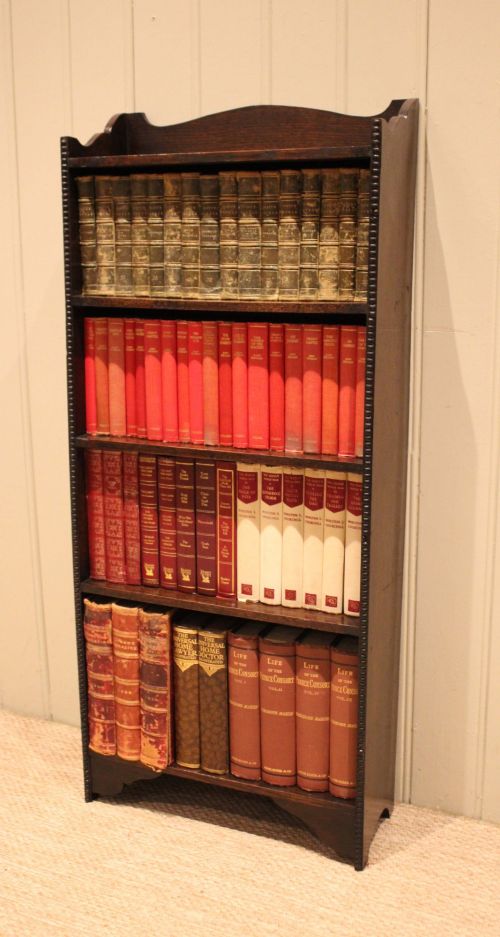
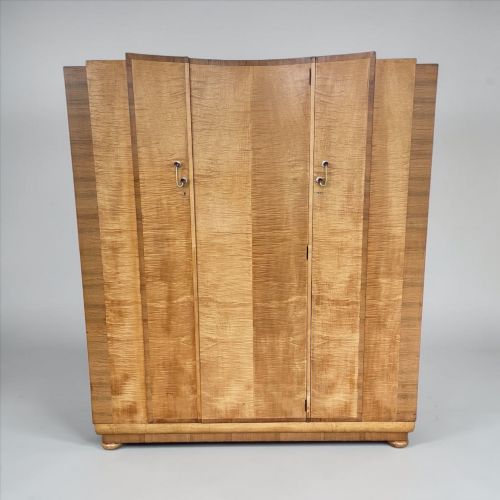
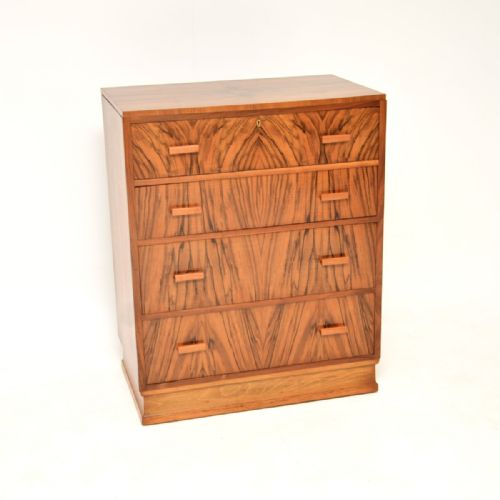
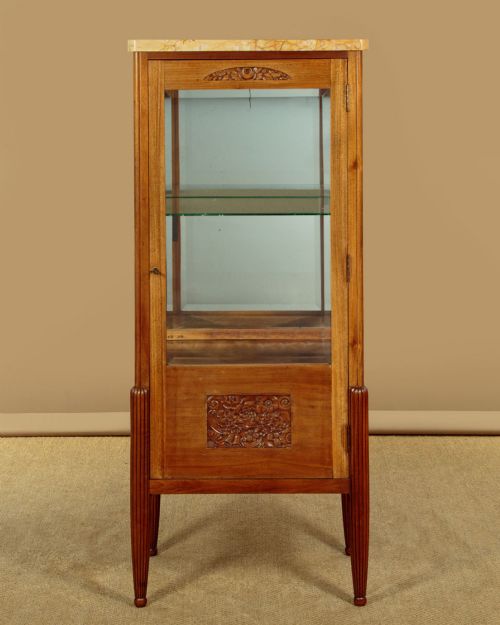
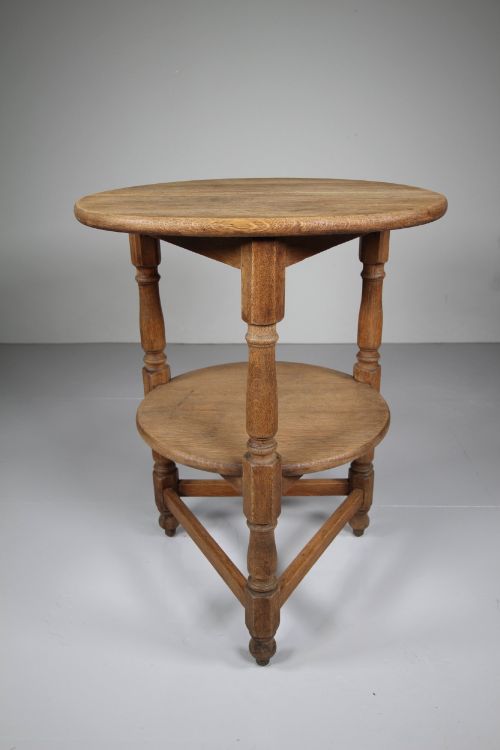
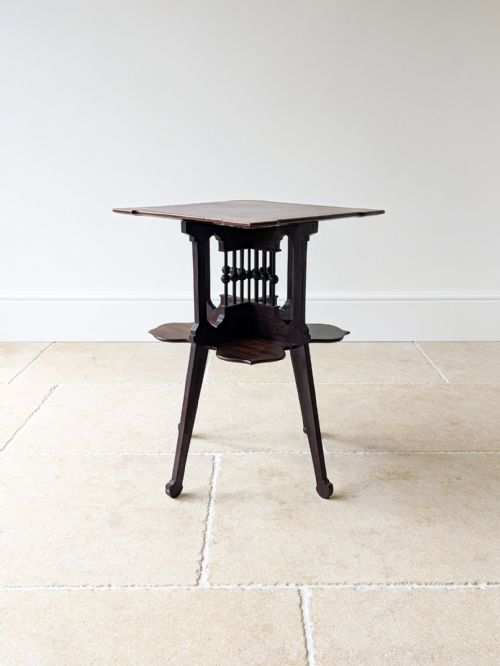
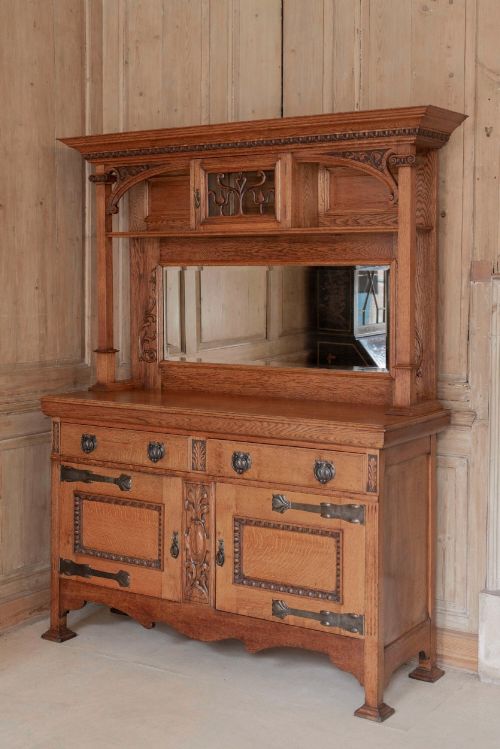
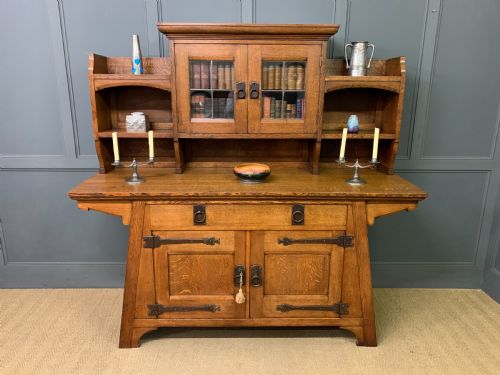
These pieces grouped as antique cabinet art span display cabinets, sideboards and wardrobes from the nineteenth and twentieth centuries.
Antique Cabinet Art
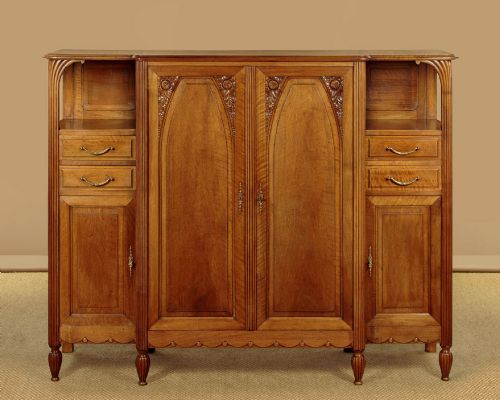
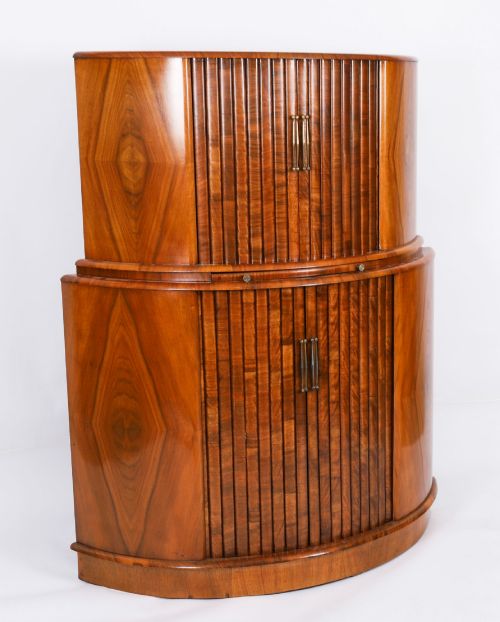
When you search for antique cabinet art, you encounter storage and display furniture rooted in movements from the Victorian era through the Art Deco period. The selections here include display cabinets, sideboards, wardrobes, bedside cabinets, wall cabinets, bureaux and bureau bookcases.
You are most likely to meet oak and walnut pieces from the Edwardian period and the nineteen-twenties or nineteen-thirties. These items combine practical storage with distinct stylistic periods such as Arts and Crafts, Art Nouveau and Aesthetic Movement.
How they were made
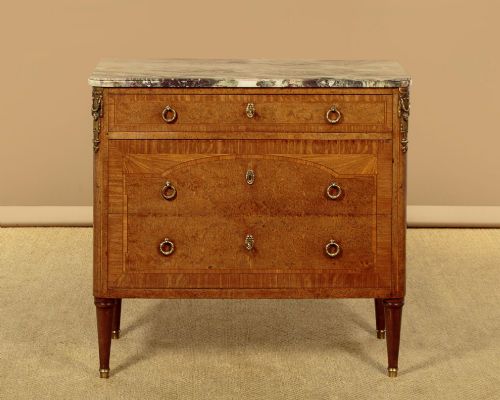
Cabinet makers utilised solid woods and veneers including oak, walnut, burr walnut, mahogany, satin birch, amboyna and birds eye maple. Construction often incorporates brass and metal hardware alongside glass panels for display cases.
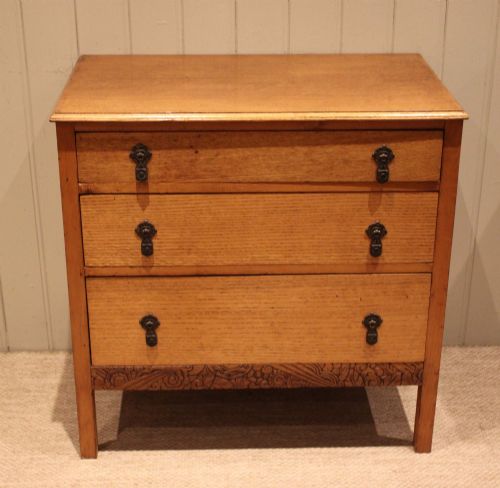
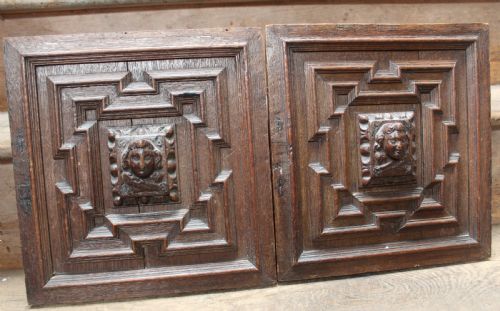
Surfaces demonstrate traditional techniques such as carving, inlay, liming, ebonising and hand-painting. Timber selection prioritised figured grains, particularly in burr walnut and figural oak furniture.
Antique Cabinet Art Retail Price Guide 2026
Typical asking prices for cabinet art among the pieces listed under this phrase on Sellingantiques today, from the lower quarter to the upper quarter. They describe what is for sale here now, not the wider market.
The listings span periods from the eighteenth century through the nineteen-forties, with oak and walnut as the dominant woods.
What varies in quality
Quality rests upon the selection of timbers and the precision of the cabinet work. Pieces featuring matched burr veneers or detailed carved panels stand apart from plainer utility items.
The integrity of fitted interiors, original glass, and maker attribution elevate certain items. Execution of period specific details, from Arts and Crafts metalwork to Art Deco geometry, defines the upper tier.
Heals Of London·E Gomme·John Moyr Smith·Leonard Wyburd·Shapland and Petter
The Antique Cabinet Art Glossary
- Burr walnut
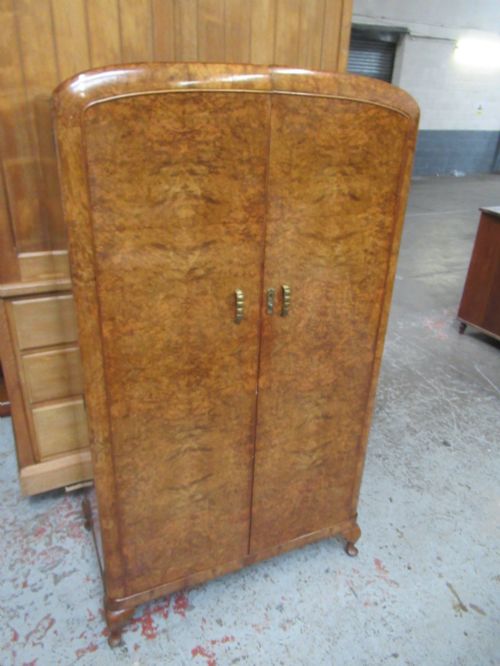
- Timber harvested from walnut tree growths that produces intricate, swirling grain patterns. This material appears frequently on high-end twentieth-century wardrobes and cocktail cabinets.
- Raised gallery
- A decorative low railing or shelf mounted on top of a sideboard, chest of drawers or cupboard. It provides a finished architectural boundary to the upper surface.
- Purdonium
- A specialised domestic cabinet designed to store coal near a fireplace. These containers typically feature a sloping front and an internal metal liner.
- Compactum
- A large fitted wardrobe combining hanging space with internal drawers, shelves and compartments. This form maximises storage efficiency within a single footprint.
- Aesthetic Movement
- A late nineteenth-century design philosophy prioritising beauty over narrative or moral function. Cabinets from this circle display refined lines and artistic craftsmanship.
Antique Cabinet Art: Frequently Asked Questions
What defines an Art Deco cabinet?
Art Deco cabinets display streamlined geometric forms, stepped profiles and symmetrical veneering. Makers utilised exotic woods like amboyna and birds eye maple alongside walnut.
These pieces often feature polished metal handles and minimal carving, relying instead on the natural pattern of figured grain to create visual impact.
Where were bedside cabinets used?
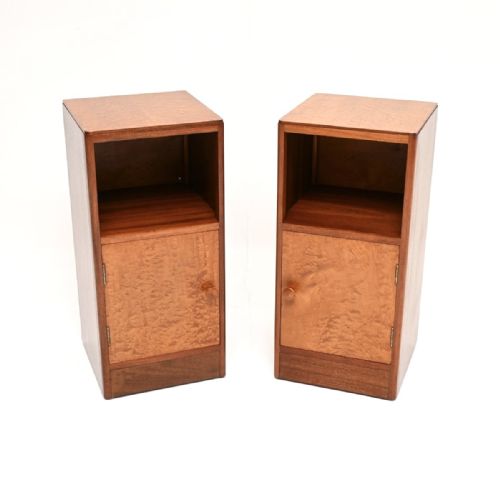
Bedside cabinets served as compact bedside storage for chamber pots, books and nighttime essentials in Victorian and Edwardian bedrooms. Later Art Deco iterations matched twin beds with streamlined symmetry.
These small cupboards and tables provided enclosed shelving within easy reach of the mattress.
What is a bureau bookcase?
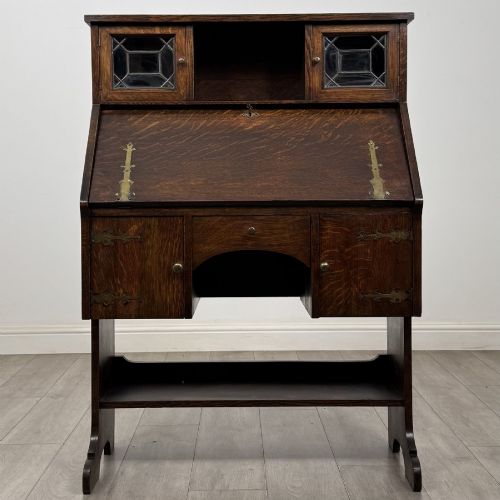
A bureau bookcase combines a sloping desk flap that folds down for writing with shelving enclosed behind doors above. These hybrid units housed personal correspondence and book collections.
They function as practical workspaces and display furniture combined into a single tall elevation.