







Antique Butterfly Painting
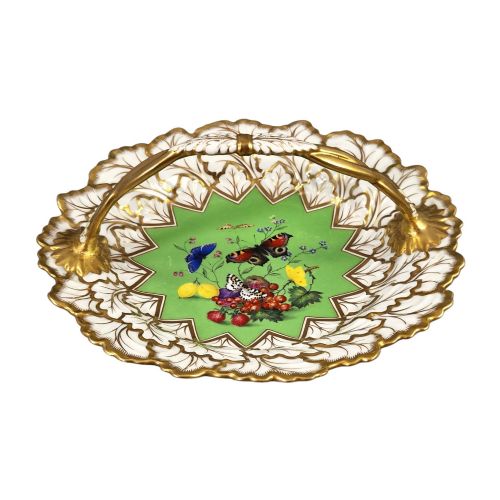
An antique butterfly painting brings delicate wings and botanical detail into a room, capturing nature through oil on canvas and pith.
Antique Butterfly Painting
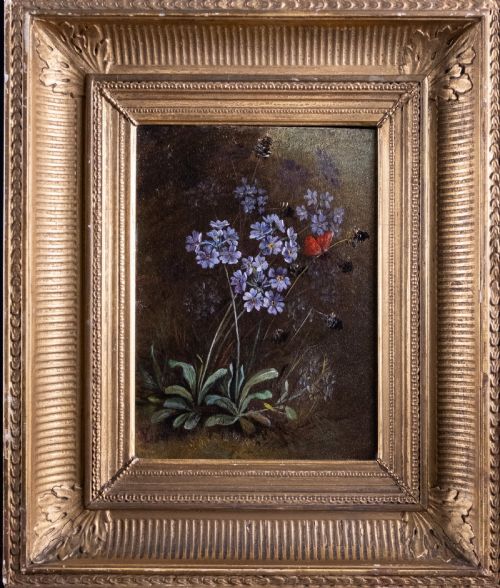
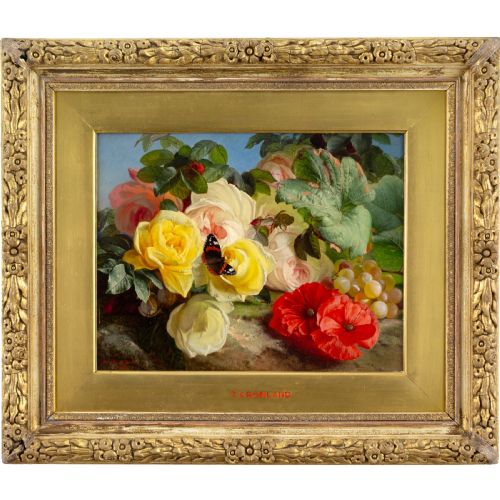
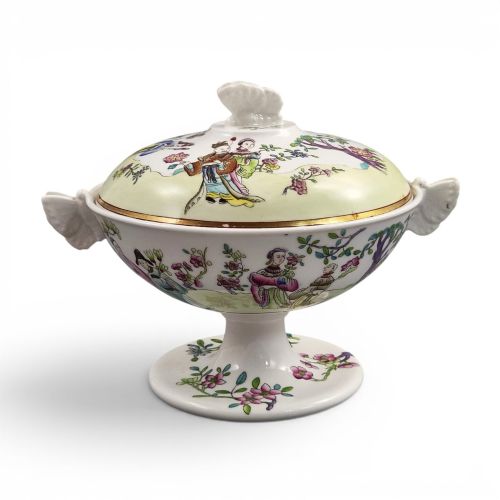
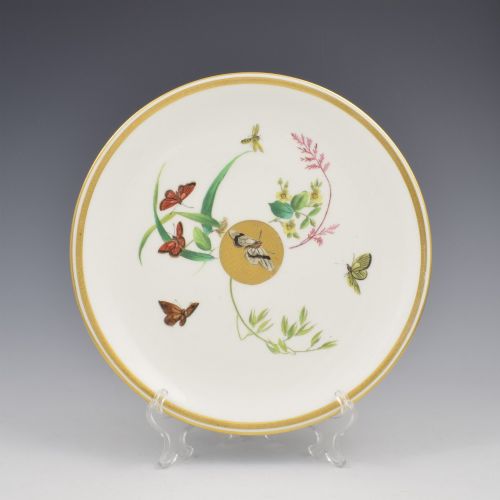
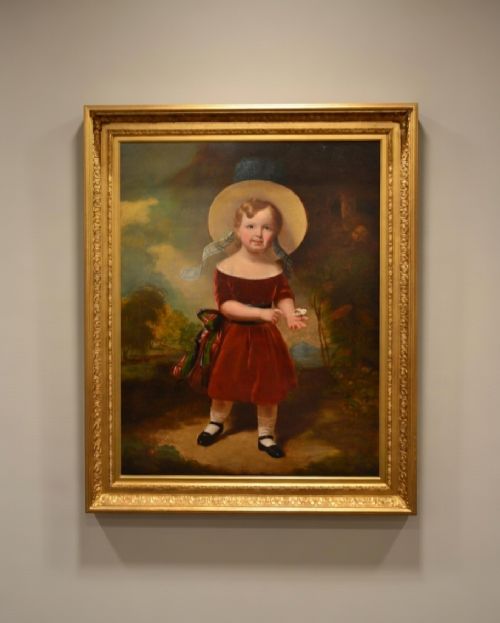
An antique butterfly painting encompasses works rendered in oil on canvas, depicting entomological studies alongside florals and portraits from the eighteenth century onwards. These pieces range from European realism canvases attributed to circles of botanical illustrators to delicate pith paintings originating from China.
Buyers encounter oil paintings on canvas alongside works executed on pith paper, capturing the meticulous detail favoured by naturalists and decorative artists of the period. The subjects vary from isolated insect studies to elaborate still lifes featuring roses, poppies, and lilies accompanied by butterflies.
What varies in quality
The distinction in quality rests upon the precision of the brushwork and the anatomical accuracy of the insect rendering, separating casual decorative items from masterworks of natural history illustration. Superior examples demonstrate a careful balance between botanical precision and artistic composition.
Condition of the canvas or pith surface dictates longevity and visual appeal, with well-preserved pigments retaining their original vibrancy without heavy restoration. The handling of light on the butterfly wings marks the difference between a standard workshop output and a work attributed to a skilled hand.
Antique Butterfly Painting Retail Price Guide 2026
Typical asking prices for butterfly painting among the pieces listed under this phrase on Sellingantiques today, from the lower quarter to the upper quarter. They describe what is for sale here now, not the wider market.
Listings feature works spanning the eighteenth, nineteenth, and early twentieth centuries, executed in oil paint and pith.
Theude Grönland·Pierre Joseph Redouté·Henry Scott·Thomas L Mott
The Antique Butterfly Painting Glossary
- Pith painting
- A watercolour or gouache painting executed on thin sheets of plant pith rather than paper. This fragile medium produces a unique, velvety depth found in nineteenth-century Chinese export art.
- Oil on canvas
- Pigments bound in a drying oil applied to a woven fabric support. This technique provides the durability and fine detail seen in European still life and portraiture.
- Botanical illustration
- Scientific drawing that details the form, colour, and details of plant life. These works often incorporate insects to reflect natural ecosystems.
- Realism
- An artistic movement focused on depicting subjects truthfully without artificiality. In butterfly paintings, this appears as faithful adherence to natural insect markings.
Antique Butterfly Painting: Frequently Asked Questions
How do I date an antique butterfly painting?
Dating relies on examining the canvas preparation, stretcher frames, and the style of the pigment application alongside any artist signatures or attribution marks.
Contextual clues within the botanical subject matter and framing materials further help place the work within periods such as the Georgian or Victorian eras.
What is pith paper?
Pith paper is a delicate material made from the spongy centre of stems of the Tetrapanax papyrifer plant, historically used for Chinese export watercolours.
It absorbs pigments in a way that gives a luminous, textured finish unlike standard wood pulp paper.
Where should I hang an oil painting?
Oil paintings on canvas require placement away from direct sunlight and excessive humidity to protect the paint layers and canvas tension over time.
Stable indoor temperatures help prevent warping of the stretcher frames and cracking of the oil medium.
Are these paintings part of natural history collections?
Many historical works served both an aesthetic and a scientific purpose, documenting species as part of the growing interest in natural philosophy and entomology.
Artists often worked alongside naturalists to record precise details of specimens collected during global expeditions.