


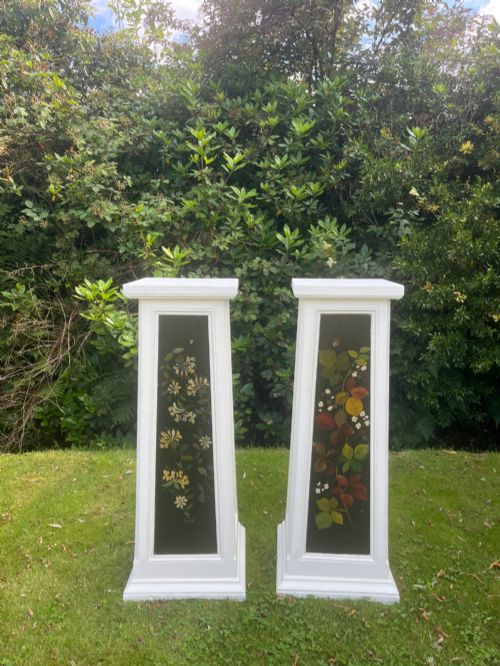
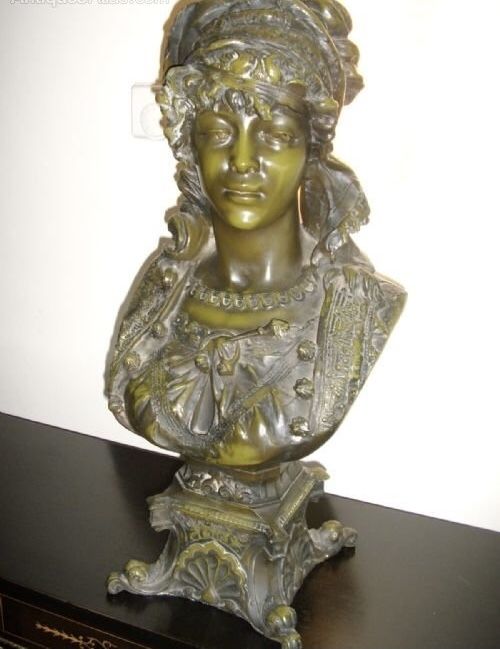
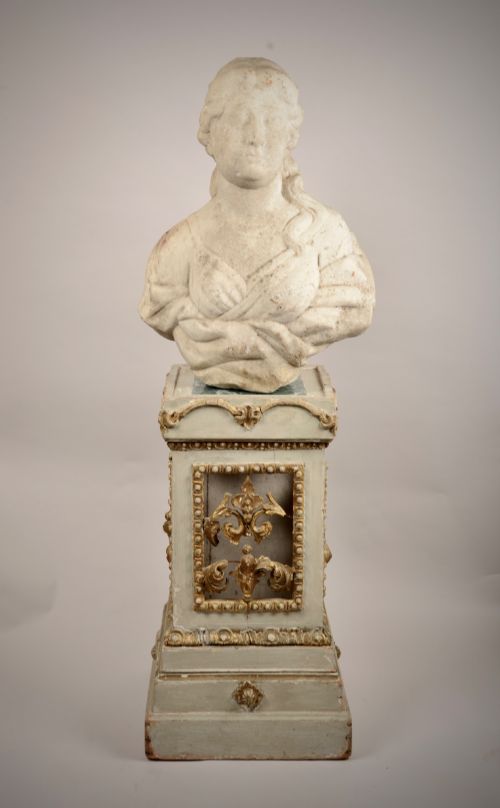
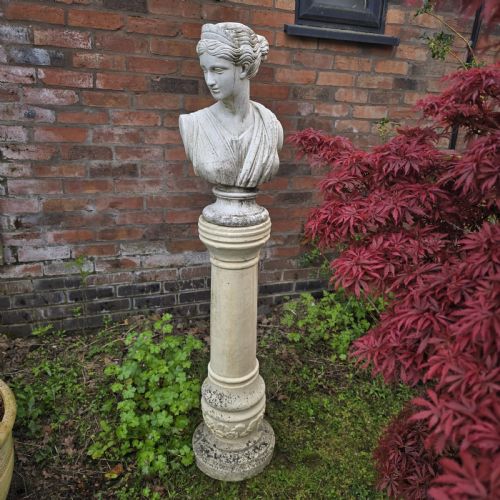


Antique Bust on Plinth
An antique bust on plinth brings classical presence into a room, pairing sculptural portraiture with a matching display column.
Antique Bust on Plinth
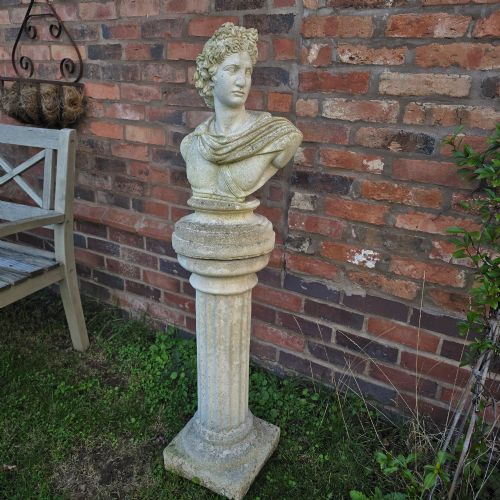
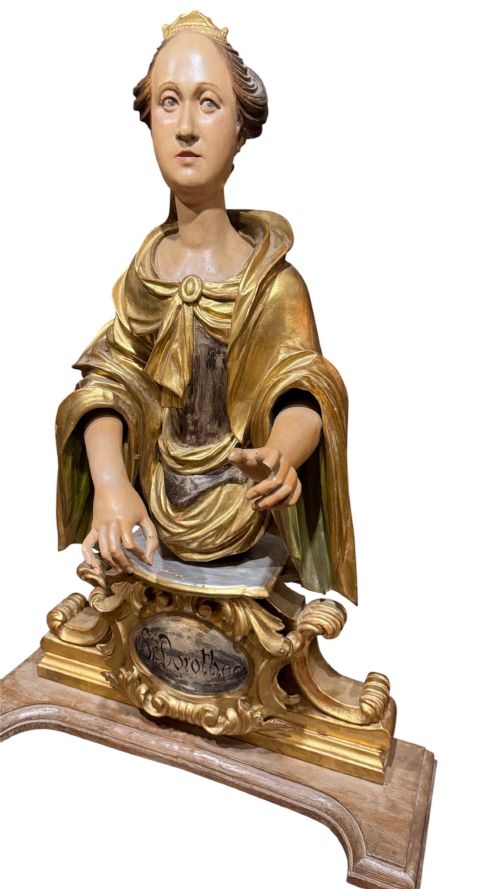
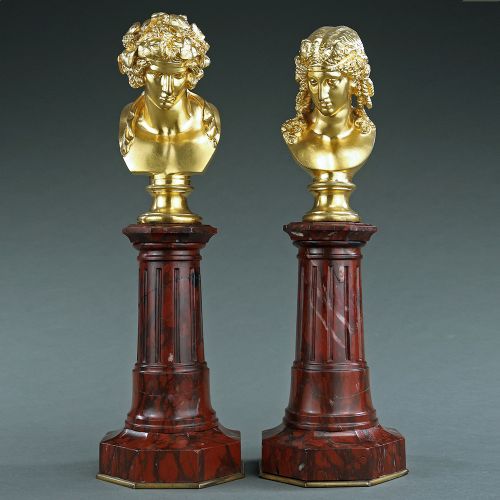
An antique bust on plinth combines a carved or cast portrait sculpture with a raised column, pedestal or stand designed to elevate the work. These pieces draw heavily on classical antiquity, emerging frequently in nineteenth-century interpretations of neoclassical and Renaissance forms.
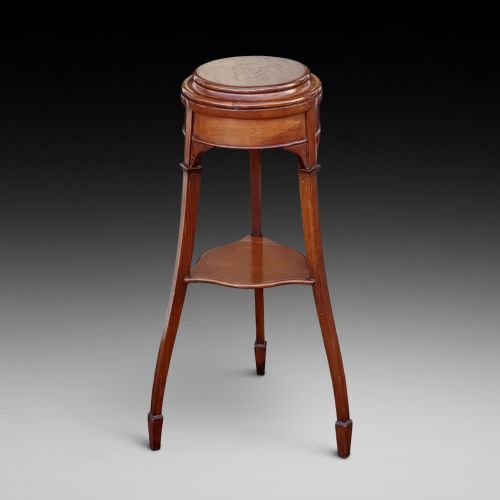
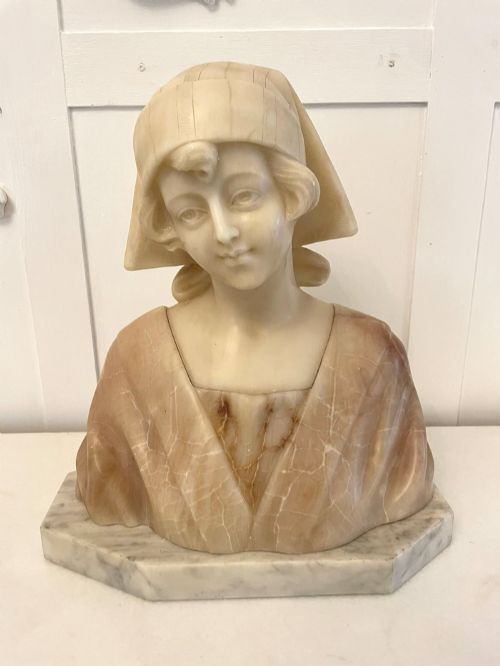
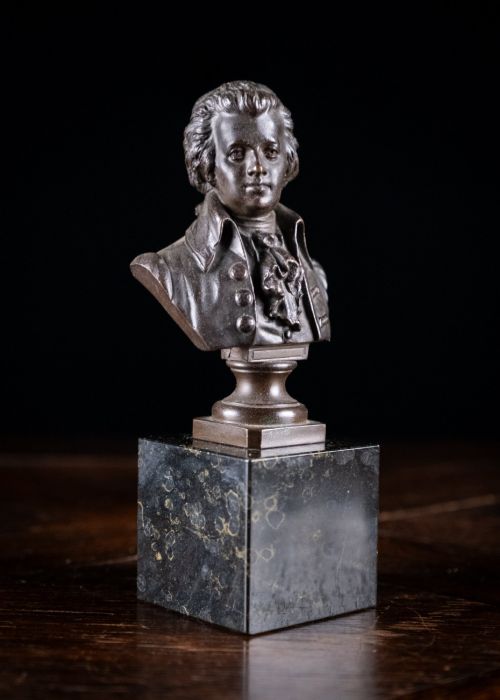
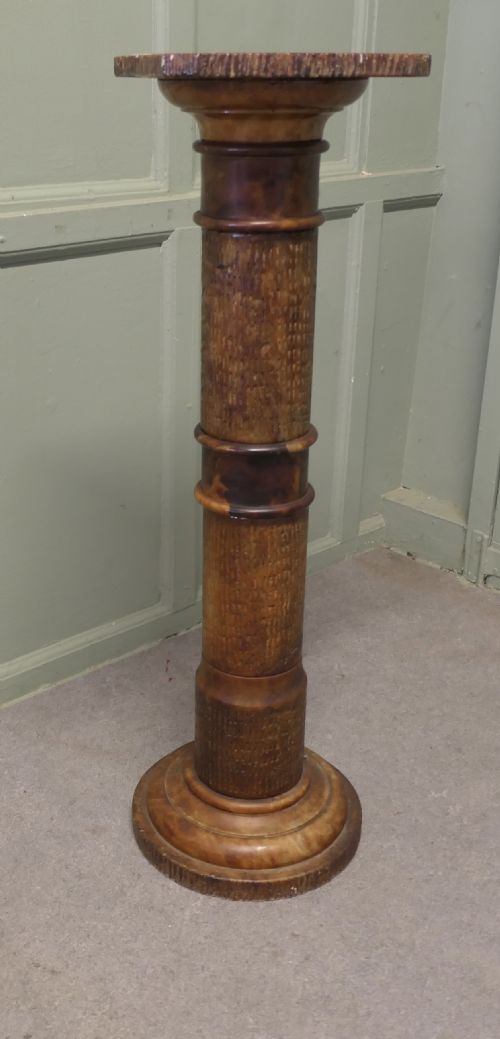
The objects listed under this search phrase span individual sculptural portraits alongside the separate or paired columns used to display them. Buyers encounter marble and bronze portraiture alongside stone garden statuary and wooden display stands.
How they were made
Sculptural portraits rely on traditional subtraction and casting methods, utilising carved marble, alabaster, stone and cast bronze or spelter. Makers shaped hard stones with chisels and rasps, while metal figures emerged from foundry casts requiring careful chasing and patination.
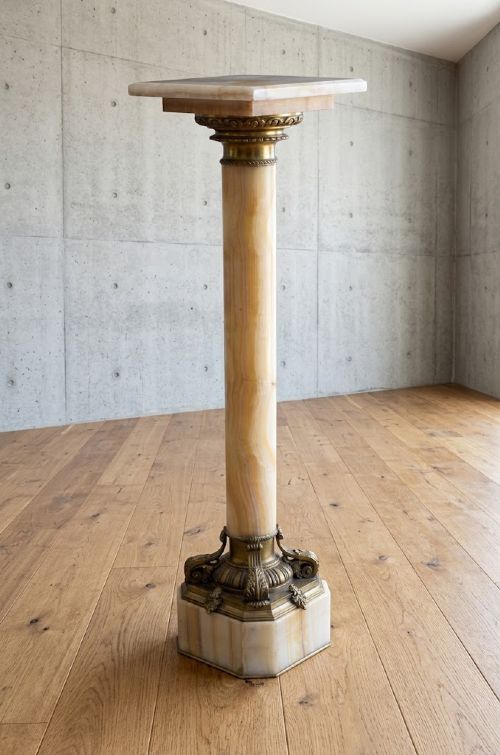
Plinths and columns utilise cabinetmaking and stonemasonry techniques, combining solid timbers such as mahogany, walnut and birch with applied ormolu mounts. Marble columns frequently feature turned shafts assembled with internal metal rods for structural support.
Antique Bust on Plinth Retail Price Guide 2026
Typical asking prices for bust on plinth among the pieces listed under this phrase on Sellingantiques today, from the lower quarter to the upper quarter. They describe what is for sale here now, not the wider market.
Recorded periods span the seventeenth century through to the mid-twentieth century, including eighteenth-century works and Edwardian pieces.
What varies in quality
Material selection and mounting execution dictate the overall calibre of the plinth. Superior columns display carefully matched marble veining, substantial bronze or ormolu mounts and stable structural joinery.
Eugen Bormel·Henry Wissen Senior·Bohumil Rezl
The Antique Bust on Plinth Glossary
- Ormolu
- Gilt-bronze ornamentation applied to furniture and sculpture bases. This decorative technique involves mercury gilding cast bronze components to produce a bright metallic finish.
- Scagliola
- A composite material made from selenite, glue and pigments, mixed to imitate marble and other fine stones. Craftsmen applied this paste to a core and polished it to a high shine.
- Grand Tour
- A traditional cultural excursion undertaken by wealthy young Europeans through France and Italy. Travellers frequently acquired classical antiquities and smaller bronze or marble sculptures during these journeys.
- Spelter
- An alloy of zinc and lead used as a less costly alternative to bronze for nineteenth-century figures. Manufacturers frequently painted or bronze-plated these softer metal castings to simulate authentic bronze.
- Neoclassical
- An artistic movement drawing inspiration from the classical art and culture of ancient Greece and Rome. This style manifests in symmetrical proportions, architectural columns and classical portraiture.
Antique Bust on Plinth: Frequently Asked Questions
Where should I place a heavy marble bust?
Heavy stone and marble sculptures require placement on structurally sound floors capable of supporting significant vertical weight. Position the column away from high traffic areas where accidental collisions might destabilise the freestanding base.
Ensure the supporting floor is level to prevent any lean in tall columns. Pairing the sculpture with a wall anchor provides additional stability for exceptionally heavy stone pieces.
How do I clean an antique bronze bust?
Dust bronze surfaces gently with a soft, dry cloth to remove airborne particles. Avoid using commercial polishes, water or chemical solvents that can strip the historic patination from the metal.
Apply a very thin coat of microcrystalline wax periodically if the metal requires protection from atmospheric moisture. Buff the surface lightly with a clean cloth after waxing to maintain a stable finish.
Are plinths and busts sold together?
Listings feature both integrated sets where the sculpture and column were conceived as a single ensemble, and separate pieces matched together later. Nineteenth-century interiors frequently paired portrait busts with independent display columns of complementary materials.
Examine the proportions and base fittings to determine whether the sculpture and plinth originated together. Matching woods or corresponding marble types often indicate a deliberate pairing from the period.
How do I identify nineteenth-century marble?
Nineteenth-century marble carving often exhibits hand-finished tool marks within recessed areas and undercuts. Examining the underside of the base reveals the natural grain and weathering patterns characteristic of older quarried stone.
Compare the colouration and crystalline structure against known regional marbles such as Italian Carrara. Natural ageing processes and minor surface wear also help distinguish older stonework from modern reproductions.