

Antique Burr Cabinet
An antique burr cabinet brings remarkable figured timber grain and traditional storage into a room.
Antique Burr Cabinet
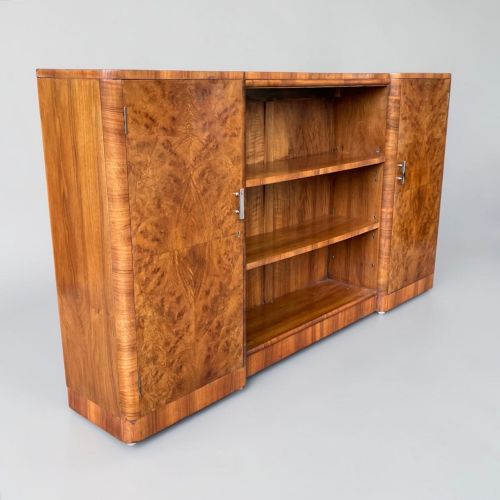
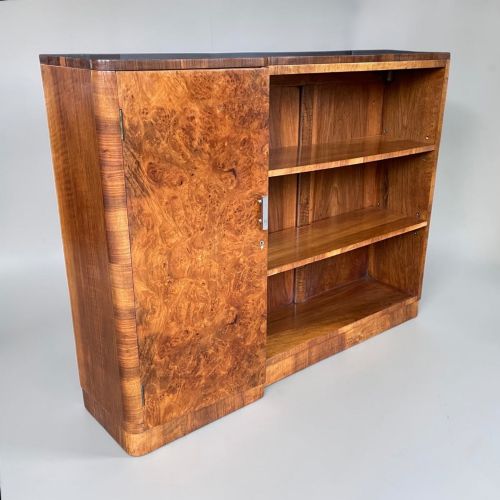
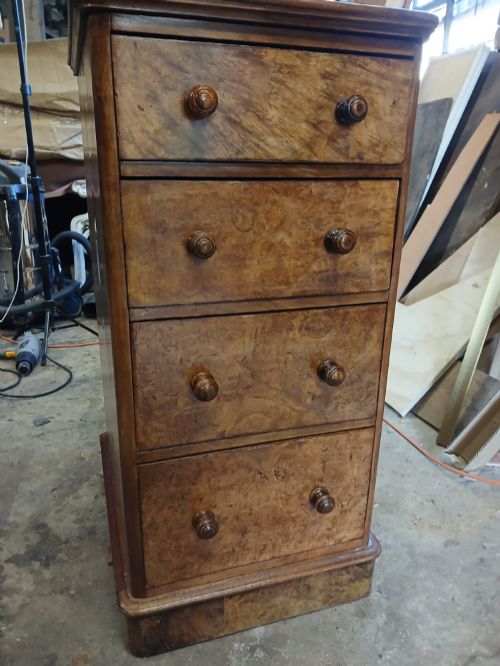
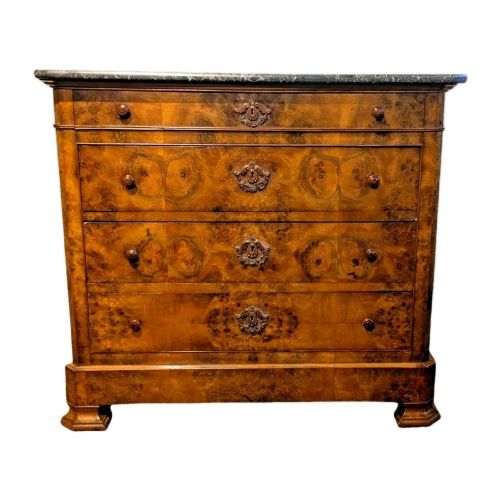
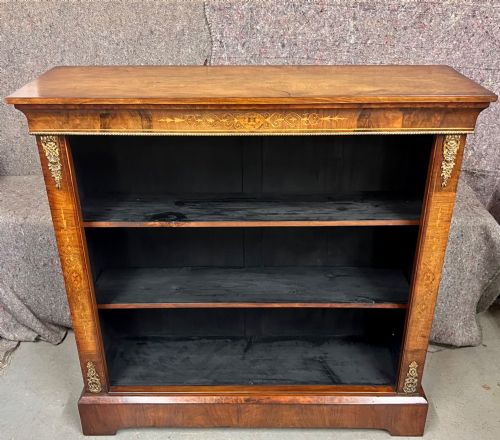
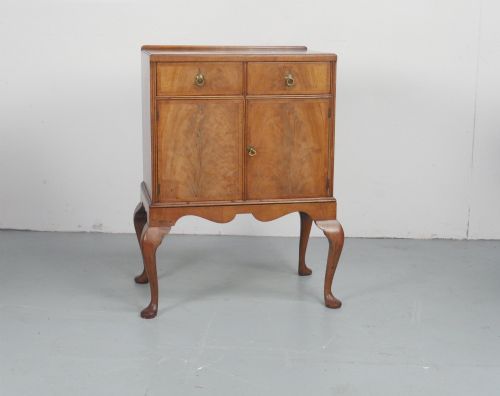
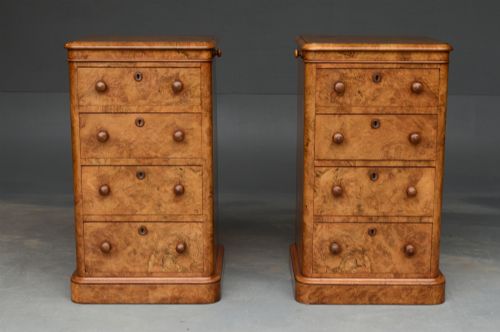
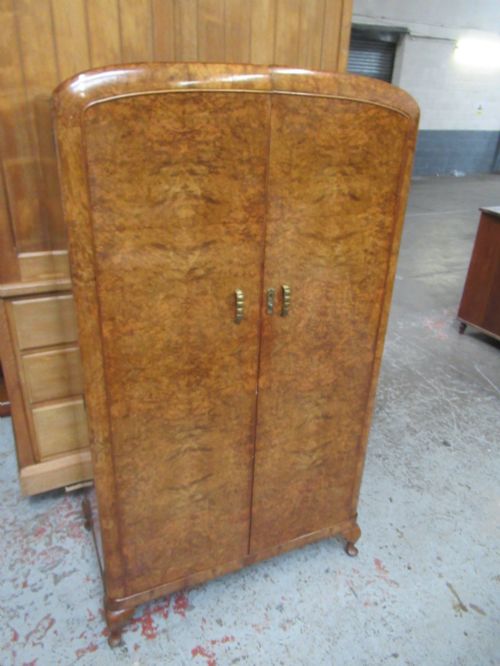
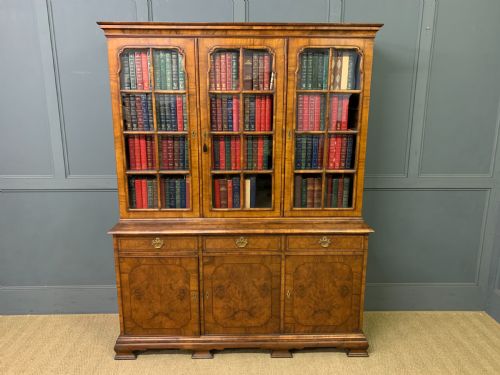
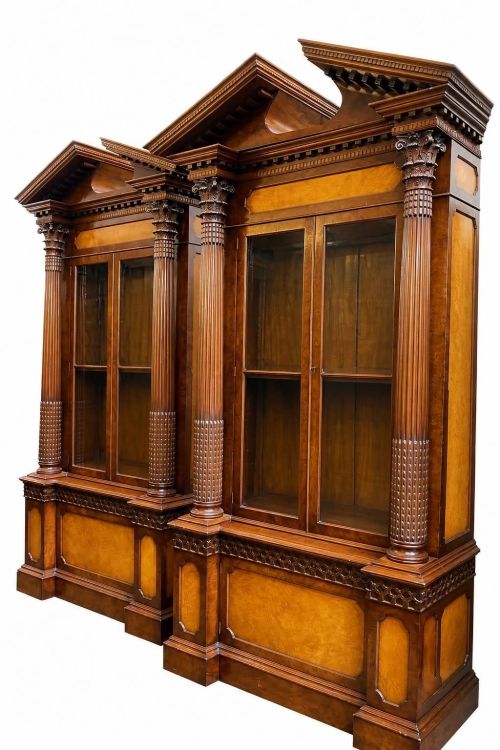
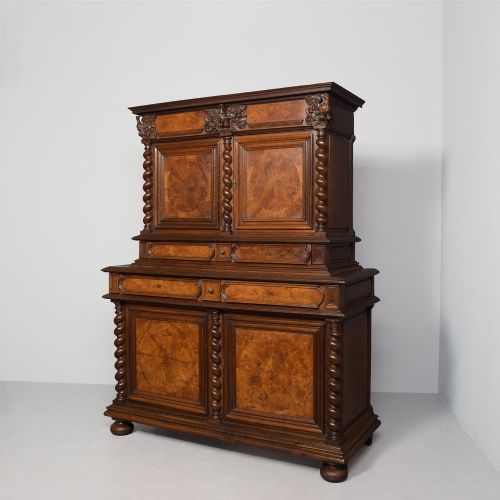
When searching for an antique burr cabinet, collectors encounter a diverse range of fitted wooden furniture spanning several centuries from the seventeenth to the twentieth. These pieces encompass refined display cabinets, bureau bookcases, credenzas, and wardrobes designed for practical storage and formal presentation.
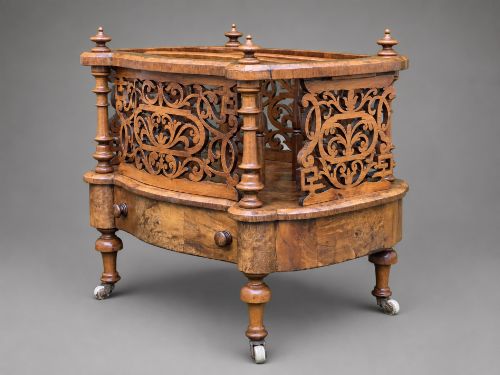
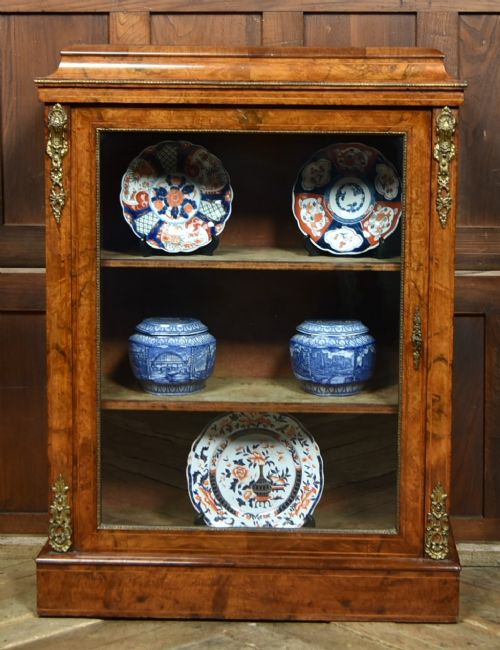
The selection on this page leans heavily towards Victorian and twentieth-century examples, alongside earlier seventeenth and eighteenth-century manifestations. Common configurations include open bookcases, music cabinets, and credenzas incorporating brass galleries, glass panels, and porcelain mounts.
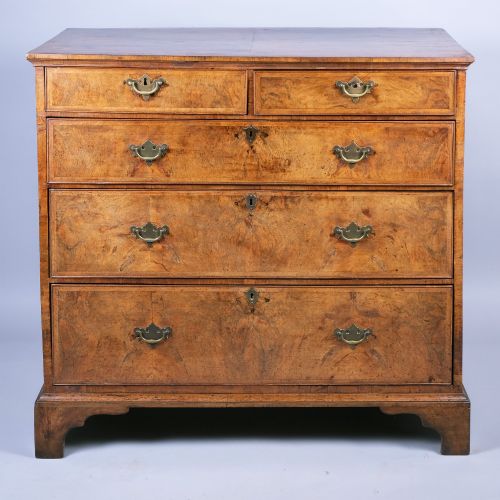
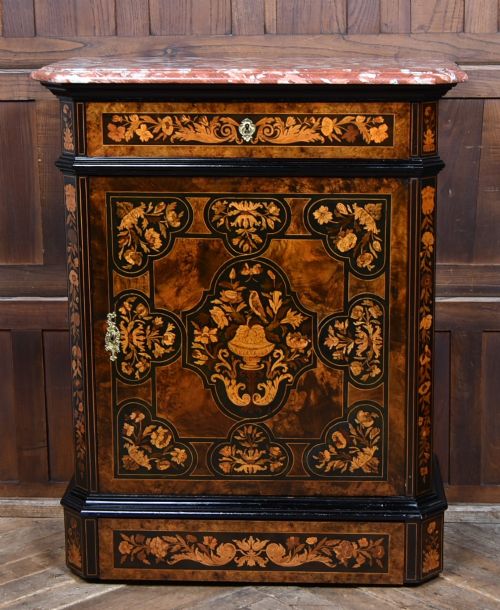
Makers and workshops from different eras utilised native and exotic timbers to construct these storage items, resulting in distinct regional styles such as Dutch floral marquetry, Queen Anne walnut, and Art Deco designs. Buyers primarily select these items for their decorative timber surfaces and functional interior compartments.
How they were made
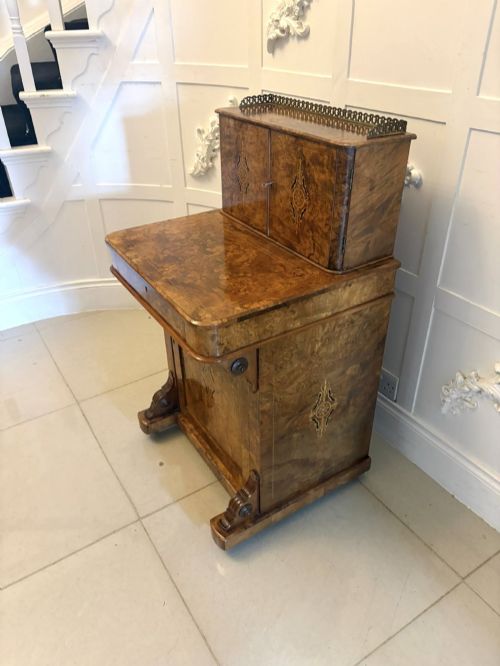
Cabinet makers constructed these pieces using solid foundational timbers like oak or plain walnut, onto which finely figured burr walnut veneers were applied. This technique allowed artisans to showcase the swirling, knotty grain patterns found at tree junctions across large flat surfaces such as doors and fall-front desks.
Metalwork played a structural and decorative role, featuring brass galleries, handles, and ormolu mounts that complemented the dark timber. Additional detailing often included intricate floral marquetry inlay, amboyna banding, and fitted glass panels for display sections.
Antique Burr Cabinet Retail Price Guide 2026
Typical asking prices for burr cabinet among the pieces listed under this phrase on Sellingantiques today, from the lower quarter to the upper quarter. They describe what is for sale here now, not the wider market.
Listings feature burr walnut, oak, and amboyna timbers alongside brass, glass, porcelain, and marble components across centuries of cabinet making.
What varies in quality
The standard of an antique burr cabinet rests largely on the complexity and visual impact of the veneer matching across the facade. Superior examples exhibit symmetrical grain patterns that flow seamlessly across doors and drawers, demonstrating high proficiency in timber selection.
Execution of secondary decorative elements also dictates the tier of craftsmanship, distinguishing standard utility items from elite parlour furniture. Finely chased ormolu, meticulous marquetry inlay, original brass hardware, and integrated porcelain plaques elevate the refinement of the piece.
Gillow·Epstein
The Antique Burr Cabinet Glossary
- Burr walnut
- Timber taken from the gnarled growth on a walnut tree, producing highly figured, swirling grain patterns. It is sliced into thin veneers for decorative furniture surfaces.
- Credenza
- A sideboard or low cabinet designed for dining rooms or reception spaces. Many Victorian examples feature curved glass doors and marble tops.
- Bureau bookcase
- A dual-purpose piece combining a sloping desk flap for writing with upper shelving enclosed by doors. Interiors often contain small drawers and pigeonholes.
- Marquetry
- Decorative patterns formed by fitting together thin slices of various woods and other materials onto a structural carcass. Dutch floral designs are particularly common on eighteenth-century pieces.
- Ormolu
- Gilded bronze used for decorative mounts, handles, and feet on finer cabinets. It provides a bright metallic contrast against dark walnut timber.
Antique Burr Cabinet: Frequently Asked Questions
What is a burr walnut cabinet?
A burr walnut cabinet is a piece of furniture surfaced with timber veneers taken from the knotty burls of walnut trees. These sections yield complex, swirling grain patterns that create a highly decorative finish.
Craftsmen utilised these striking veneers on the primary display surfaces of bookcases, credenzas, and wardrobes while utilising sturdier woods for internal framing and structural stability.
How do I date an antique cabinet?
Dating an antique cabinet involves examining the construction methods, timber choices, hardware, and prevailing stylistic influences. Seventeenth and eighteenth-century examples often display distinct regional characteristics like Queen Anne silhouettes or Dutch marquetry.
Victorian and later twentieth-century pieces incorporate different interior fittings, machinery-cut elements, or revival styles such as Art Deco and Louis XV influences. Comparing secondary woods and joinery helps confirm the period of manufacture.
Where were these cabinets used?
These cabinets served primarily in principal reception rooms, parlours, libraries, and bedrooms of substantial homes. Display cabinets and credenzas showcased valuable porcelain and glassware in entertaining spaces.
Wardrobes, chests of drawers, and bureau bookcases provided practical domestic storage for clothing, books, and writing materials in private quarters or studies.
How do I care for burr walnut furniture?
Caring for burr walnut furniture requires maintaining stable indoor humidity and temperature levels to prevent the thin decorative veneers from lifting or splitting. Direct sunlight should be avoided to protect the natural tone of the timber.
Routine maintenance involves dusting with a soft, dry cloth rather than applying modern silicone polishes. Periodic application of appropriate wax preserves the historic sheen of the wood.