


Antique Burr Box
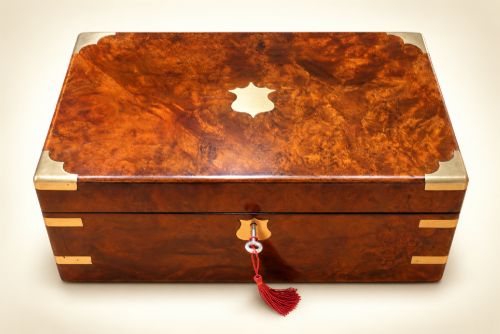
An antique burr box gathers the restless, swirling grain of burl timber into small, treasured vessels meant for daily use.
Antique Burr Box
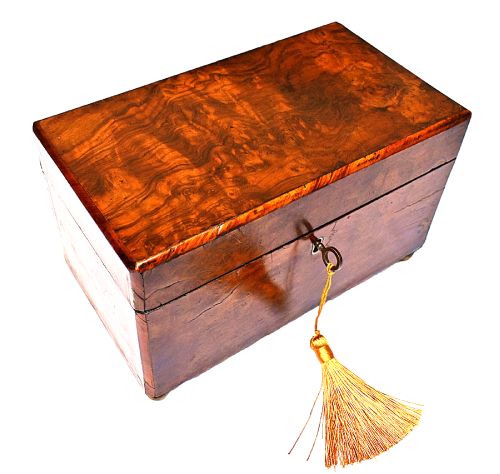
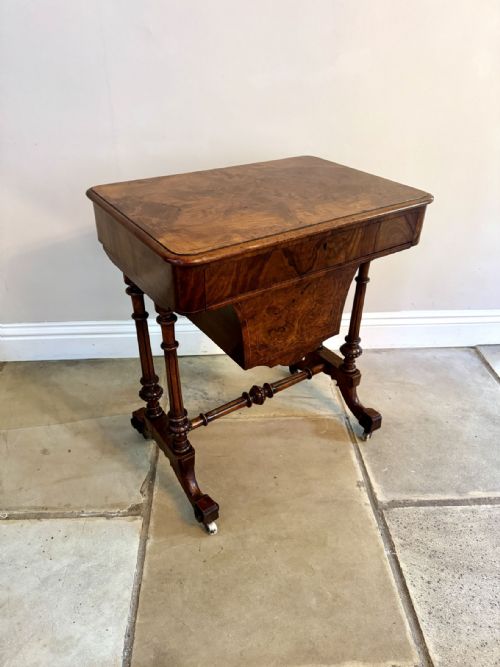
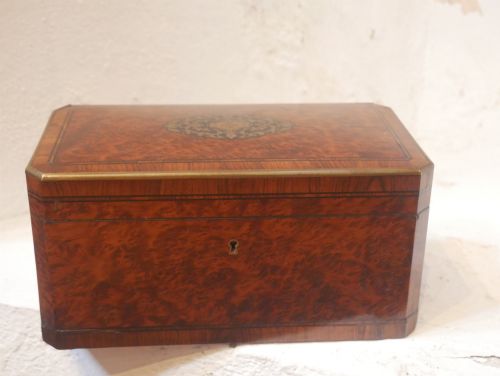
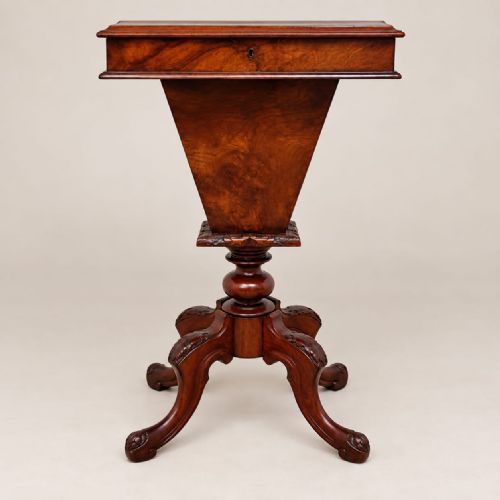
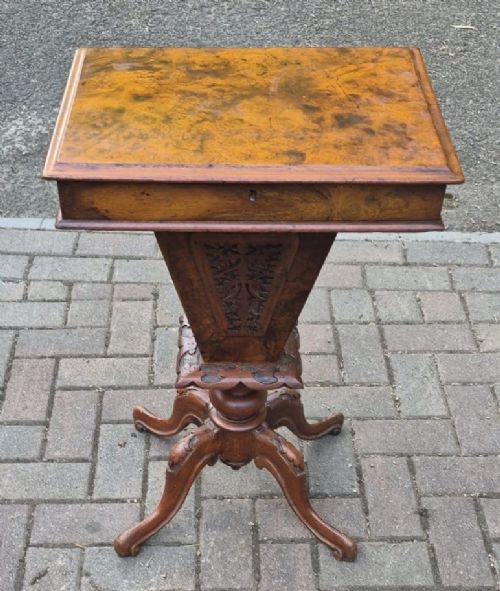
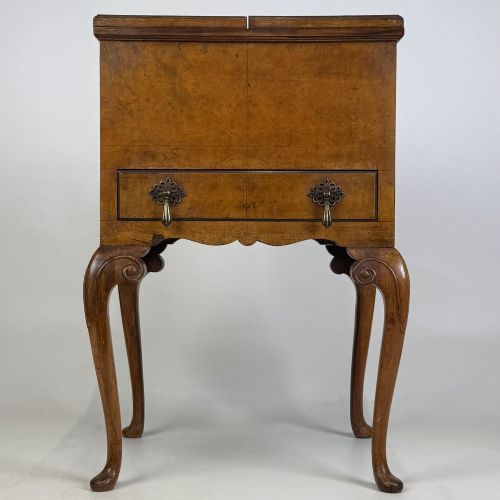
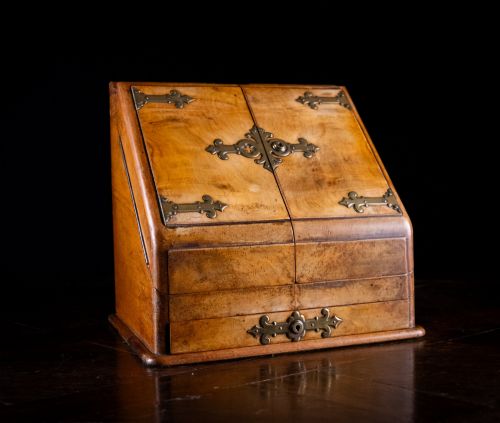
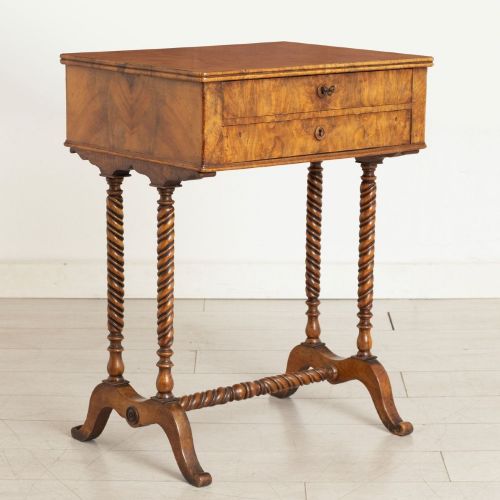
When you search for an antique burr box, you enter a field of containers shaped for the domestic habits of past centuries, from tea caddies and writing slopes to stationery cabinets and sewing tables. The pieces on this page span the Georgian, Regency, and Victorian eras, alongside select examples from the seventeenth, eighteenth, and twentieth centuries.
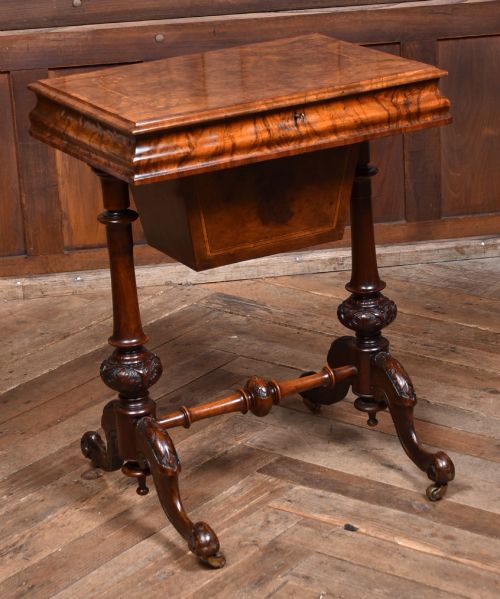
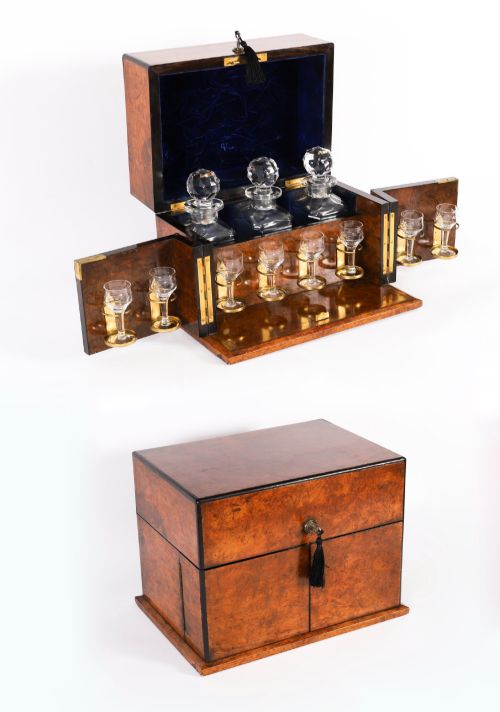
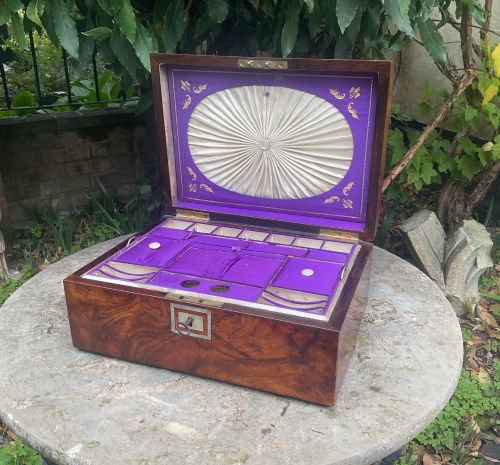
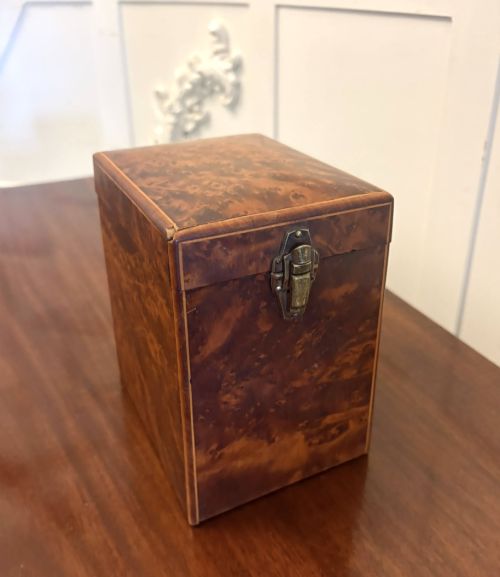
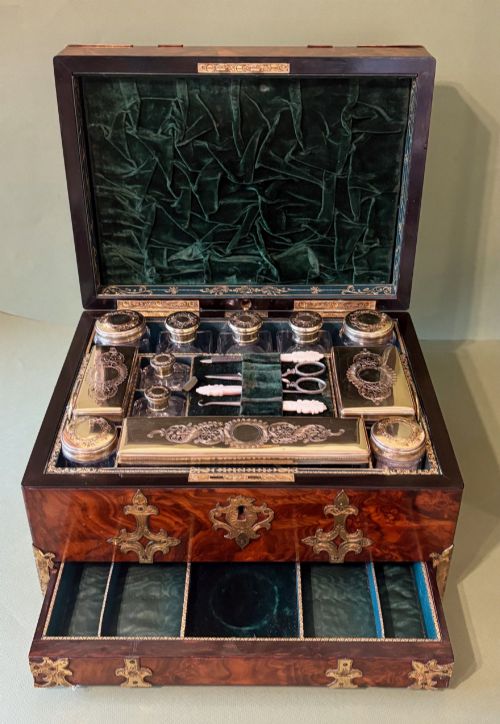
The most common forms you meet here are work tables, tea caddies, and writing boxes, each constructed to house specific personal possessions. Smaller caskets and jewellery boxes also appear frequently, often fitted with compartments, mirrors, or removable trays.
Origins range across English, French, and continental workshops, reflecting the widespread European taste for figured wood veneers. Makers utilised distinctive local timbers and exotic imports to create objects that functioned as both practical storage and ornamental furniture.
Materials and construction
Craftsmen built these containers using timber foundations overlaid with thin veneers sliced from burr growths, particularly burr walnut, burr yew, and burr elm. The swirling, knotted grain patterns characteristic of burl wood required careful matching and placement across the lids and panels of each box.
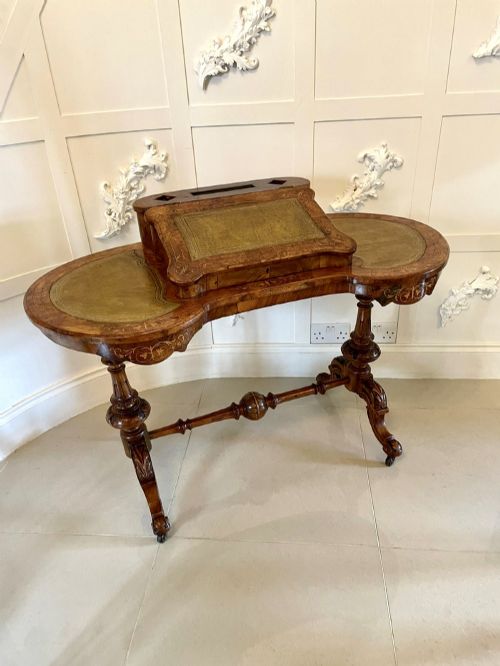
Secondary materials such as brass, mother-of-pearl, bone, and glass appear as stringing, escutcheons, handles, and fitted interior elements. Joinery techniques included dovetailing for structural rigidity and precise veneering to wrap curved surfaces like sarcophagus shapes and kidney-shaped writing tables.
Antique Burr Box Retail Price Guide 2026
Typical asking prices for burr box among the pieces listed under this phrase on Sellingantiques today, from the lower quarter to the upper quarter. They describe what is for sale here now, not the wider market.
A tiny natural knot in the timber can transform a simple block of wood into a grinning wooden face.
Judging the work
The distinction between ordinary and exceptional pieces rests in the selection and bookmatching of the burr veneer across the primary surfaces. Top-tier examples display continuous, symmetrical grain patterns that flow uninterrupted over edges and lids, while lesser items show disjointed patching or flat grain.
Interior fittings and hardware further divide the range, separating mass-produced containers from bespoke commissions. Superior items retain original brass bounding, working locks with keys, functional internal mirrors, and complete silk or velvet linings without replacement parts.
Tahan
The Antique Burr Box Glossary
- Burr veneer
- A thin slice of wood cut from a tree burl, yielding intricate, swirling growth patterns. This figuring provides the defining decorative surface on the exterior of these boxes.
- Tea caddy
- A container designed to store loose tea leaves securely. These boxes often feature internal lead or wooden compartments and lockable lids.
- Writing slope
- A portable desk with a hinged, slanted writing surface. Opening the box typically reveals velvet-lined writing boards, inkwell recesses, and hidden compartments for stationery.
- Escutcheon
- A protective metal plate surrounding a keyhole. On these containers, they are frequently cast in brass or inlaid with mother-of-pearl.
- Sarcophagus
- A box shape featuring a domed, stepped lid reminiscent of a stone coffin. This architectural profile became particularly popular for tea caddies during the Regency and Victorian periods.
Antique Burr Box: Frequently Asked Questions
How do I care for antique burr veneer?
Keep wooden containers away from direct sunlight and radiators to prevent the thin veneer from drying and lifting. Apply a microcrystalline wax periodically to nourish the surface and maintain the natural lustre.
Avoid using liquid polishes or damp cloths on antique timber and brass mounts. Gentle dusting with a dry, soft brush preserves the delicate grain patterns and original patination.
What were tea caddies used for?
Tea caddies stored valuable tea leaves under lock and key when tea was an expensive, luxury commodity imported from abroad. Servants typically kept the key, and the master of the house dispensed the leaves for each pot.
Inside, these containers featured distinct compartments or removable canisters to separate different varieties of tea, such as green and black blends.
How can I date my burr box?
Dating relies on a combination of construction methods, secondary timbers, hardware styles, and overall form. Georgian and Regency pieces often exhibit simpler internal layouts and classical proportions, whereas Victorian examples tend to introduce elaborate brass work, Tunbridge ware inlay, or complex multi-tiered interiors.
Examine the hinges, locks, and lining materials for consistency with the period indicated. Hand-cut screws, dovetail joints, and specific wood choices help narrow the decade of manufacture.
Are writing slopes difficult to use today?
Writing slopes offer functional desktop storage for modern stationery, fountain pens, and small laptops while closed. The slanted writing surface provides an ergonomic angle for traditional correspondence.
While the original inkwells and velvet writing surfaces may show age, the internal compartments remain well-suited for organising contemporary desk accessories.