

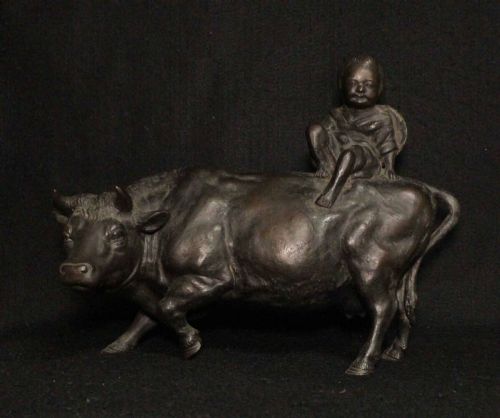
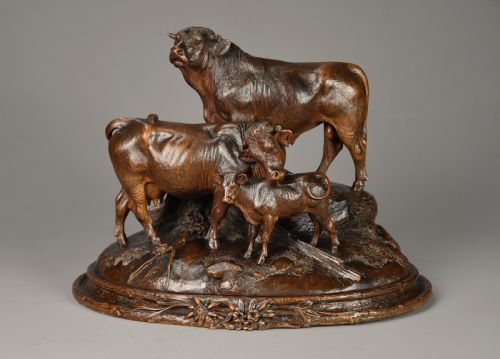
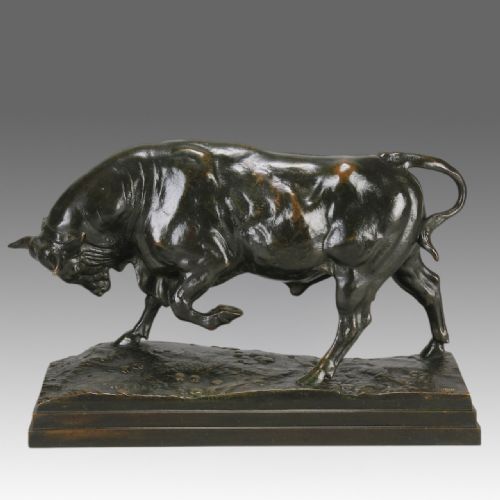


Antique Bull Sculpture
These antique bull sculpture pieces range from carved linden wood cattle groups to French animalier bronzes, offering powerful presence for a desk or shelf.
Antique Bull Sculpture
When you search for an antique bull sculpture, you encounter diverse interpretations spanning centuries and continents, from European animalier bronzes to intricately carved Black Forest linden wood groups. The most frequent versions on this page are nineteenth century bronze castings and detailed wooden figures reflecting regional folk art and studio traditions.
The selection encompasses domestic cattle, water buffaloes, and mythological subjects like Europa and the bull, alongside desk accessories and decorative statues. Pieces range from small desk ornaments to substantial carved wooden Nandi statues and large animalier studies.
Origins vary widely across the inventory, including French animalier works, Japanese Meiji period bronzes, German Black Forest carvings, and seventeenth century Mannerist-influenced figures. Collectors find both signed works by known sculptors and anonymous folk art pieces.
Materials and methods of construction
Makers utilised traditional casting methods for metal pieces, employing bronze and iron with patinated finishes to highlight muscular definition and surface texture. Patination varies from dark brown tones to bright bronze finishes.
Carved wooden pieces utilise linden wood, lime wood, hardwood, and polychrome finishes, often associated with Black Forest workshops or traditional folk carvers. Leather and papier-mache also appear in specific twentieth century models.
Antique Bull Sculpture Retail Price Guide 2026
Typical asking prices for bull sculpture among the pieces listed under this phrase on Sellingantiques today, from the lower quarter to the upper quarter. They describe what is for sale here now, not the wider market.
The listings span the seventeenth, eighteenth, nineteenth, and twentieth centuries, incorporating materials such as bronze, cast iron, linden wood, and leather.
Distinctions in quality and execution
Anatomical accuracy and sculptural dynamism set the finest animalier bronzes apart, particularly those showing the influence of French founders and nineteenth century masters. Castings with crisp detail and careful chasing display superior craftsmanship compared to simpler production pieces.
In carved wood, the depth of undercut work, expressiveness of form, and preservation of the original surface determine the quality of Black Forest and folk art examples. Signed pieces by established workshops or sculptors generally represent more rigorous standards of design.
Antoine Louis Barye·Isadore Bonheur·Albert Hussmann·J Huggler·Giambologna
The Antique Bull Sculpture Glossary
- Animalier
- A nineteenth-century artistic movement focusing on the realistic depiction of animals, particularly predators and livestock. Sculptors in this tradition studied anatomy closely.
- Patinated bronze
- Bronze treated with chemical solutions to produce a specific surface colour and tone. This finish protects the metal and accentuates sculptural contours.
- Black Forest carving
- Woodcarving originating from the Brienz region of Switzerland and the Black Forest in Germany. These works typically depict regional fauna in linden or lime wood.
- Mannerist
- A European art style spanning the sixteenth and seventeenth centuries, characterised by exaggerated musculature and dynamic tension. Figures in this tradition often emulate Renaissance bronzes.
Antique Bull Sculpture: Frequently Asked Questions
How do I identify a nineteenth-century animalier bronze?
Examine the weight, the quality of the chasing, and the depth of the patinated bronze surface. Nineteenth-century founders typically applied careful finishing work to define musculature and texture.
Look for signatures or foundry marks near the base, though many genuine period study pieces remain unsigned.
What is Black Forest wood carving?
Black Forest carvings are wooden figures and furniture elements produced primarily in Switzerland and Germany during the nineteenth century. They are usually carved from linden wood or lime wood with meticulous attention to naturalistic detail.
These pieces often depict cattle, bears, and other wildlife, sometimes bearing workshop stamps such as J Huggler.
How should I clean an antique bronze bull?
Dust the surface gently with a soft, dry brush and avoid chemical cleaners or abrasive cloths that can damage the patina. Preserving the original bronze finish maintains the historical integrity of the sculpture.
Occasional light application of microcrystalline wax can protect metal surfaces from atmospheric moisture.
Are wooden bull sculptures prone to cracking?
Carved wood reacts to fluctuations in humidity and temperature, which can cause historical timber to develop minor splits over decades. Keeping pieces away from direct heat sources and severe climate changes helps stabilise the material.
Inspect the grain and joints during purchase to understand the condition of older linden wood or hardwood items.