



Antique Buffet Unit
An antique buffet unit provides substantial dining room storage and surface space, bringing historical character and practical utility to domestic interiors.
Antique Buffet Unit
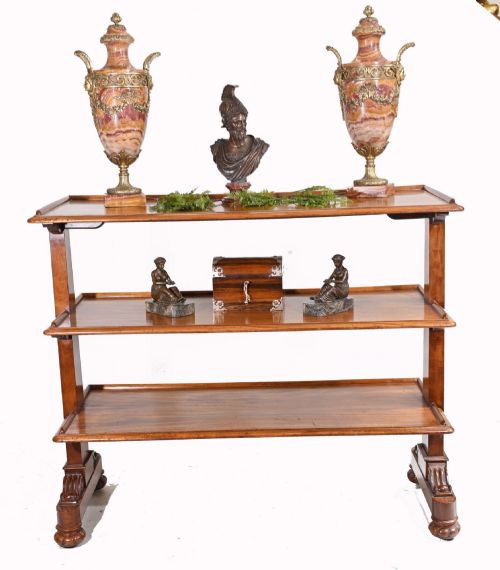
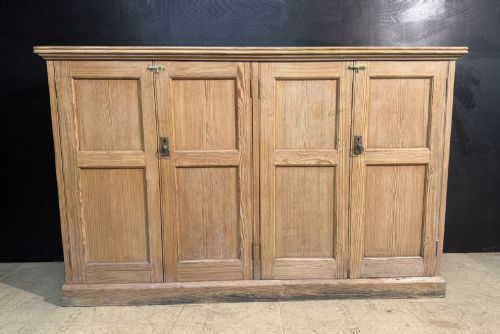
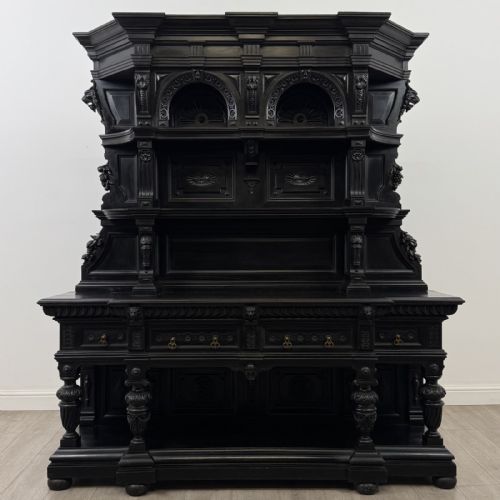
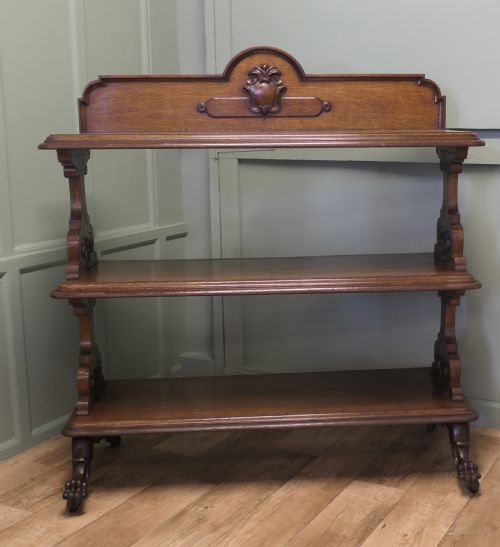
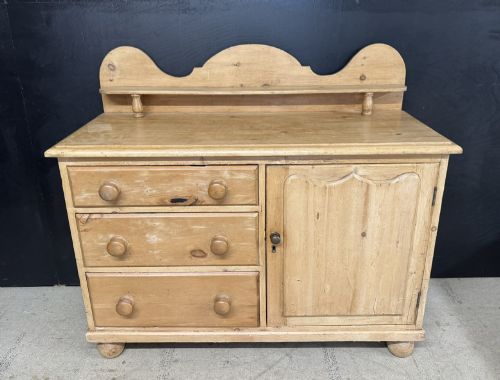
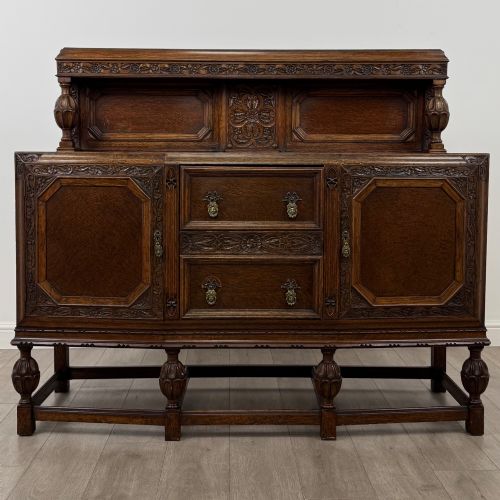
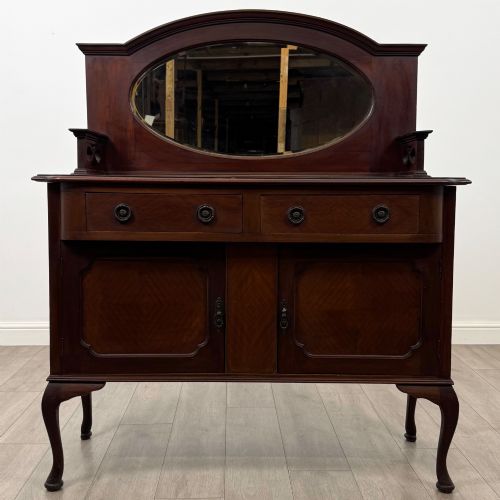
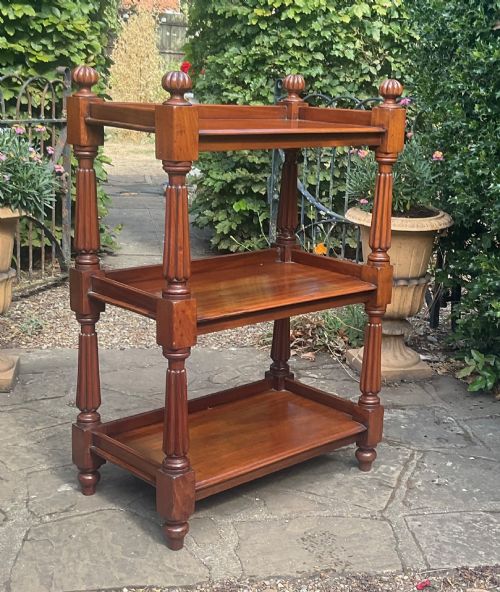
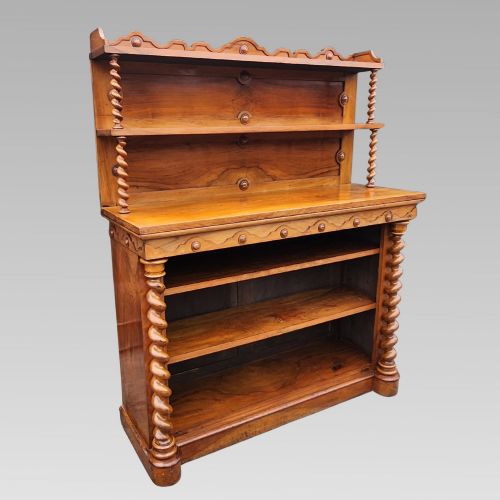
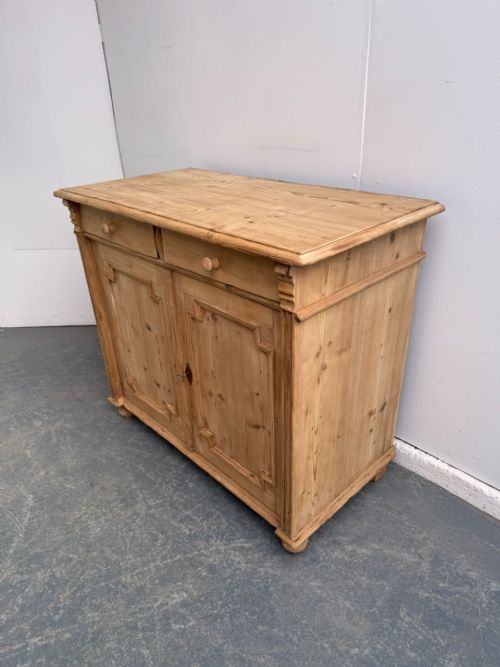
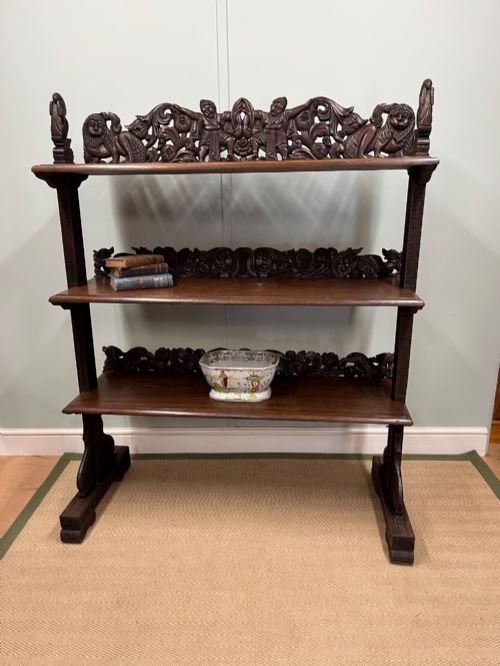
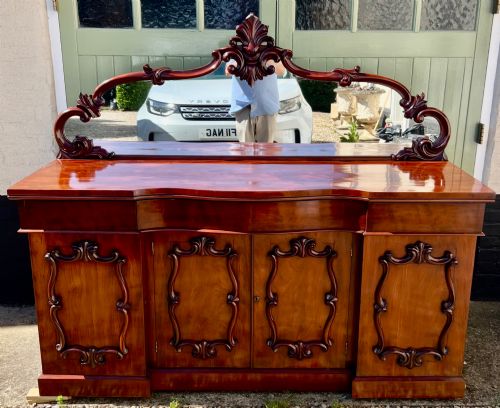
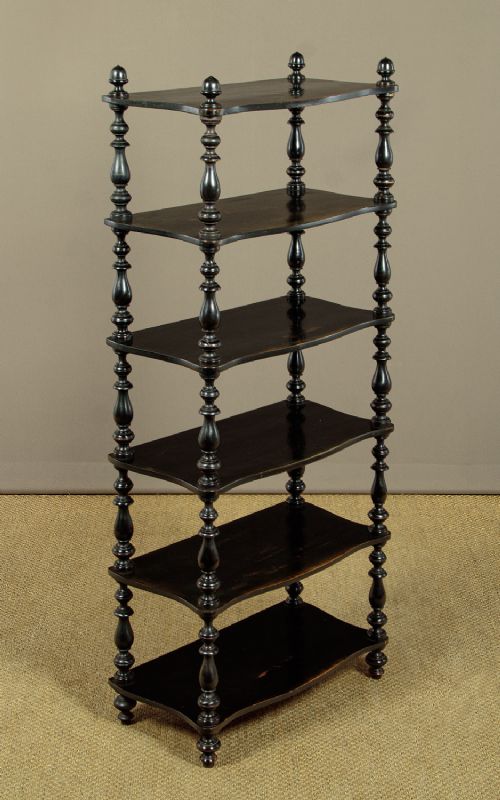
When searching for an antique buffet unit, buyers encounter a diverse selection of dining and serving furniture spanning the Victorian, Edwardian, and nineteenth-century periods. These pieces take various forms, including multi-tiered etageres, heavy carved oak sideboards, and pine dresser bases.
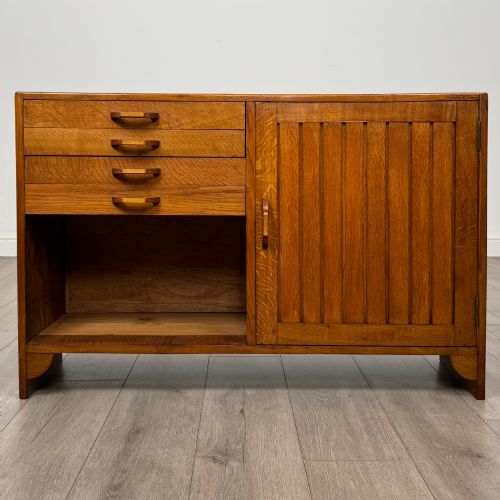
The most common examples on this page are Victorian and Edwardian mahogany or oak sideboards, alongside functional nineteenth-century pine storage cupboards and tiered serving tables. Walnut and ebonised finishes also appear frequently, reflecting the stylistic shifts from ornate Victorian revivalism to the clean lines of the Arts and Crafts movement.
Materials and construction
Cabinet makers relied heavily on hardwoods such as mahogany, oak, and walnut for formal dining furniture, utilising rich grain patterns and deep polishes. Pine served as the primary material for utilitarian kitchen and housekeepers' cupboards, selected for its strength and suitability for waxing or painting.
Construction techniques varied according to the intended function and period style. Elaborate nineteenth-century pieces display deep lion mask carvings, brass face handles, and integrated mirror backs, while tiered etageres incorporate turned supports and original iron castors for mobility.
Antique Buffet Unit Retail Price Guide 2026
Typical asking prices for buffet unit among the pieces listed under this phrase on Sellingantiques today, from the lower quarter to the upper quarter. They describe what is for sale here now, not the wider market.
The listings span the Victorian, Edwardian, and Georgian periods, incorporating materials such as mahogany, oak, walnut, pine, brass, glass, and iron.
Evaluating craftsmanship
Quality in these dining pieces rests upon the selection of timber and the execution of decorative elements. Superior examples display carefully matched wood veneers, crisply carved details, and robust structural joinery that withstands daily domestic use.
Liberty & Co.·Shapland & Petter
The Antique Buffet Unit Glossary
- Buffet
- A sideboard or serving table designed for dining rooms to hold food, glassware, or silver. These units often feature multiple tiers or enclosed cupboards.
- Etagere
- A set of open shelves on upright supports used for displaying ornaments or holding serving dishes. Examples from the nineteenth century frequently incorporate three or more tiers.
- Ebonised
- Timber treated with a dark stain or finish to imitate ebony. This technique gained popularity during the Victorian period for dramatic effect.
- Dumb waiter
- A tiered piece of freestanding furniture used for serving meals without domestic staff present. They appear in multi-tiered wooden configurations on this page.
- Dresser base
- The lower portion of a traditional kitchen dresser featuring cupboards and drawers without the upper plate rack. They provide sturdy low storage in pine or oak.
Antique Buffet Unit: Frequently Asked Questions
What is an antique buffet unit?
An antique buffet unit is a piece of dining room furniture designed for serving food and storing tableware. These items range from open-shelved etageres to enclosed wooden sideboards.
They serve as practical storage solutions while adding period craftsmanship and historic character to a room.
How do I date an antique buffet?
Dating relies on observing the prevailing materials, construction methods, and stylistic details of the piece. Victorian examples often feature dark mahogany, walnut, or heavy carved oak.
Edwardian and later pieces frequently display lighter oak construction, sometimes influenced by Arts and Crafts or Art Nouveau aesthetics.
Where should I place a buffet unit?
These units traditionally sit in dining rooms or large kitchens to store serving dishes, cutlery, and glassware. Their flat upper surfaces provide convenient space for food display during meals.
Smaller tiered etageres or narrow sideboards also function well in hallways or living spaces for general storage and display.
Are pine dressers the same as sideboards?
Pine dressers and sideboards both offer practical storage, but they originate from slightly different domestic traditions. Dresser bases were typically used in kitchens for food preparation and storage.
Sideboards and buffet units were generally destined for formal dining rooms to hold silverware and serving ware.