

Antique Buffet Hutch
An antique buffet hutch brings robust utility and seasoned timber into a room, serving as both a display surface and storage backbone.
Antique Buffet Hutch
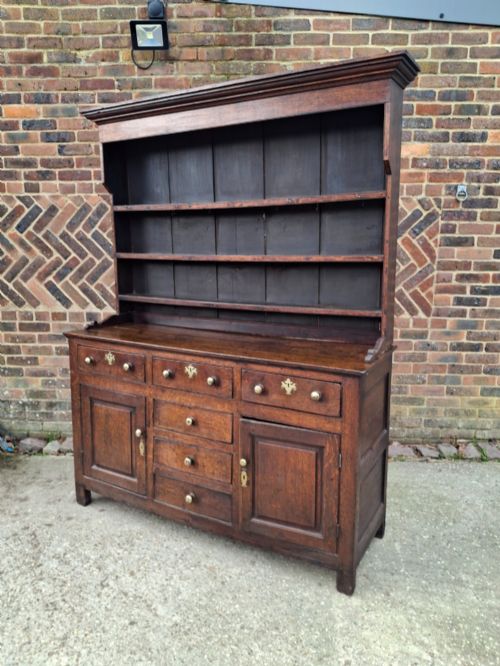
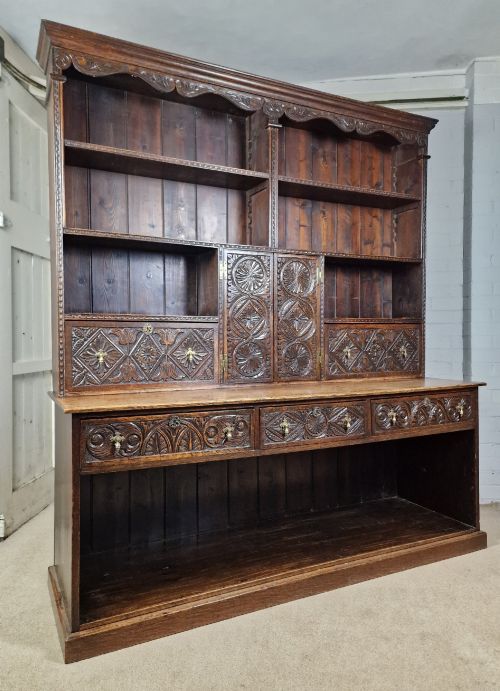
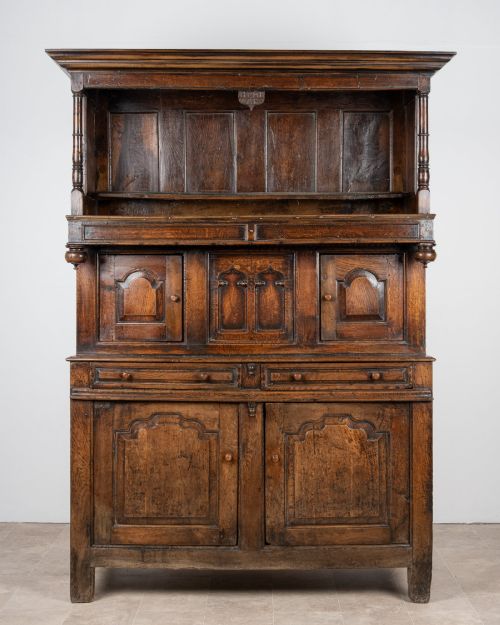
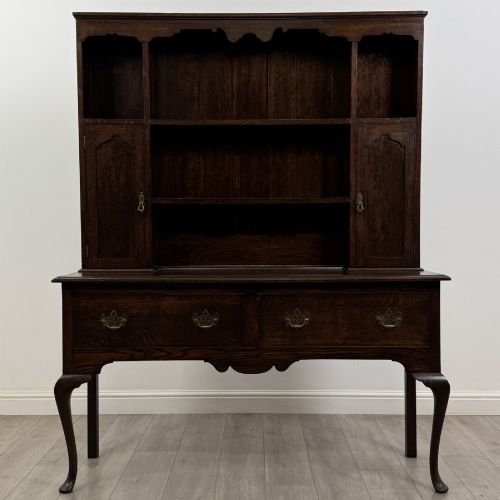
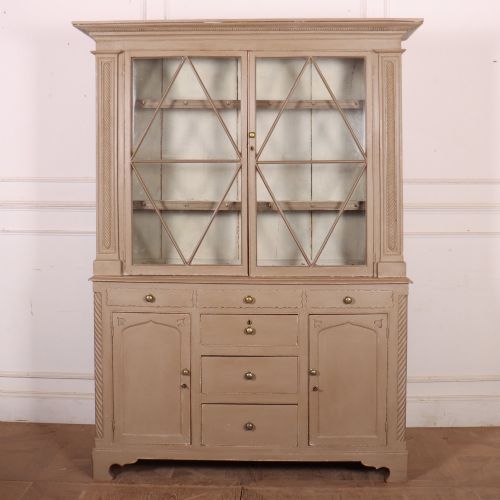
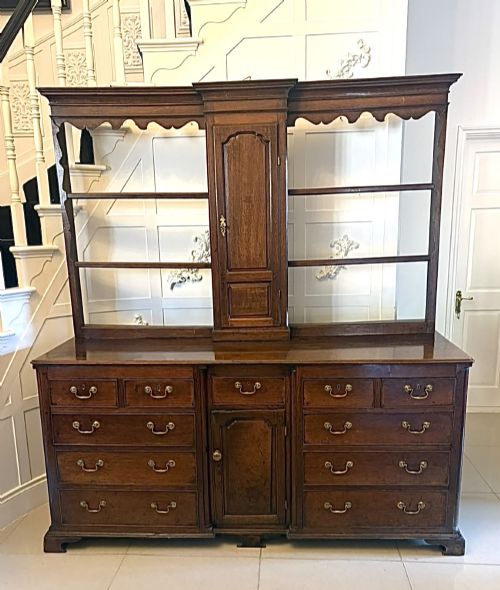
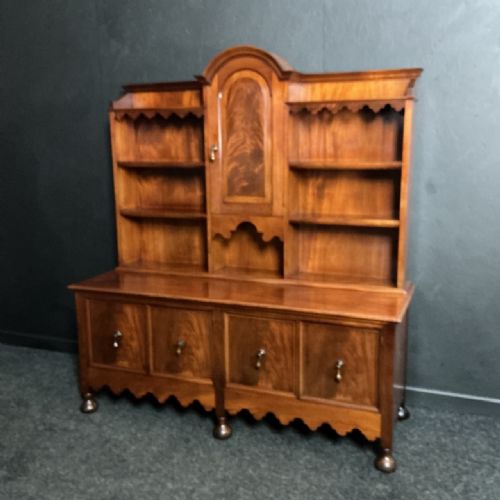
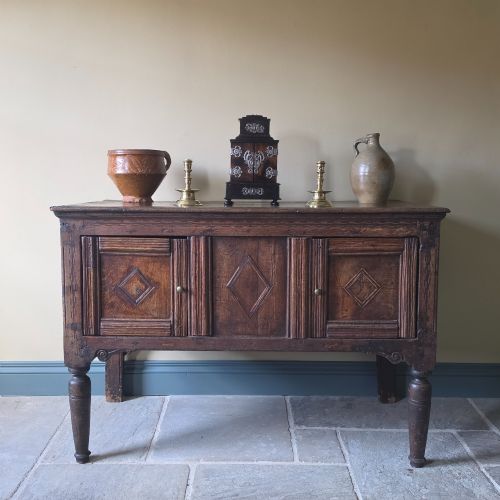
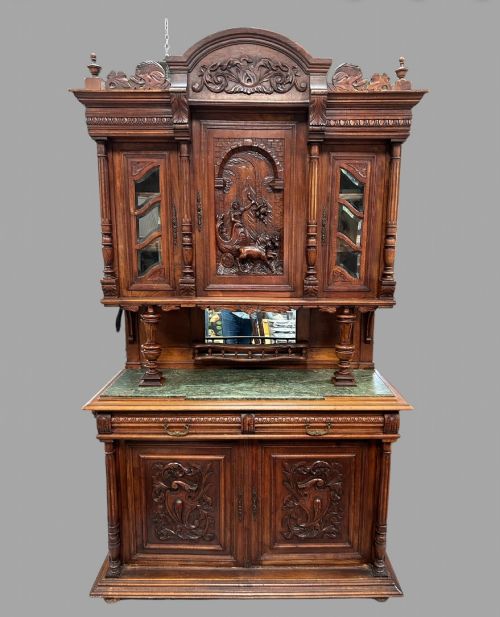
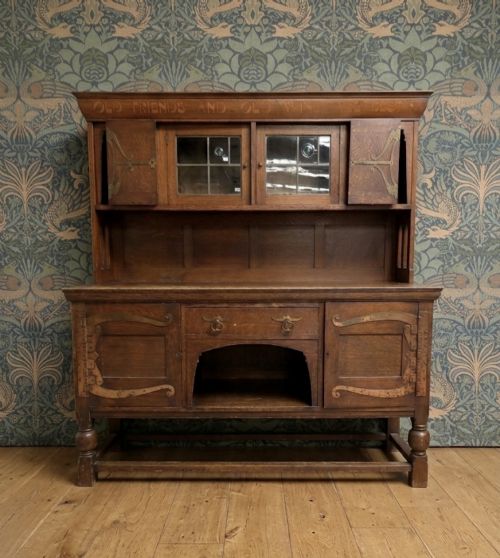
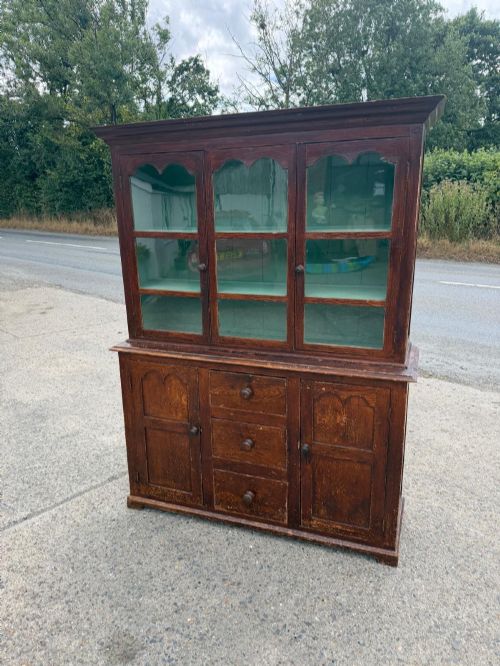
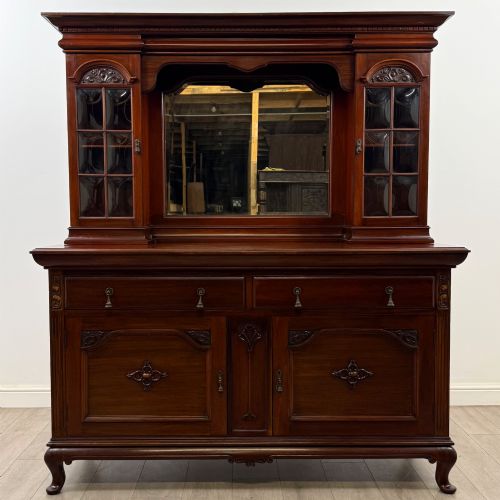
When searching for an antique buffet hutch, buyers encounter an array of heavy storage furniture designed for domestic use across centuries. The pieces on this page span several stylistic iterations, from simple country pine units to formal Georgian and Victorian expressions.
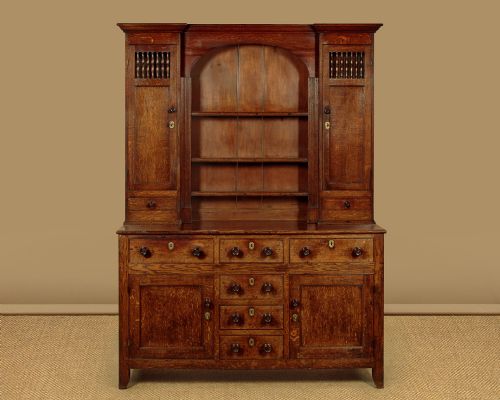
The form typically combines a lower storage compartment, such as cupboards or drawers, with an upper display rack or shelving structure. Oak and pine predominate among the listings, reflecting domestic utilitarian origins across English and continental workshops.
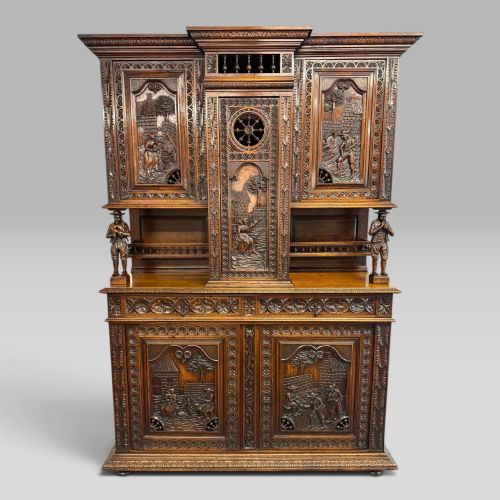
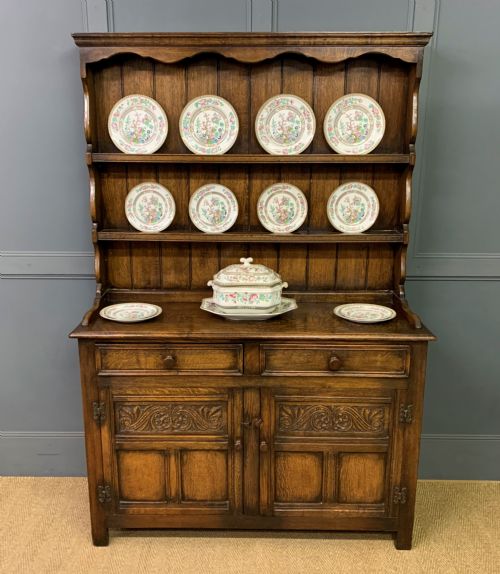
Regional variations shape the selection significantly, including French provincial walnut buffets, Welsh dressers with plate racks, and Arts and Crafts sideboards. Buyers find substantial timber construction suited to modern kitchen or dining environments.
How they were made
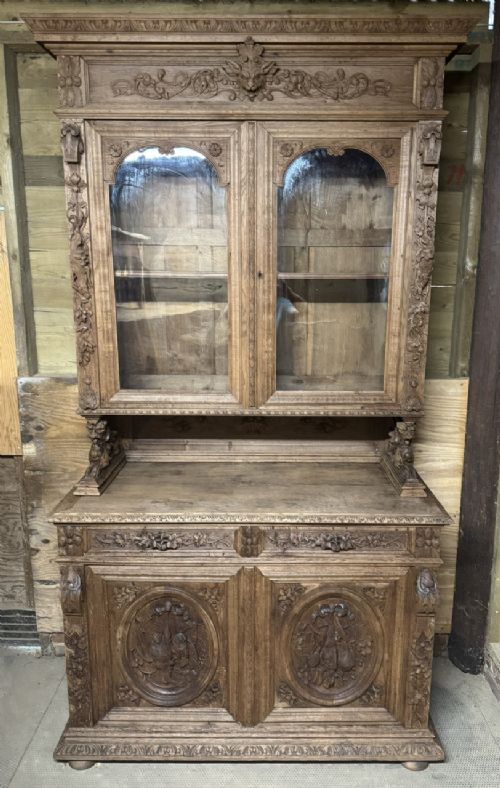
Joiners relied heavily on solid oak, walnut, and pine, often integrating brass hardware and glass panels for upper display doors. Timber selection dictated the strength of the carcass, with heavy woods supporting extensive plate racks and carved detailing.
Construction techniques involve traditional joinery methods, visible in panelled doors, hand-carved friezes, and pegged frames. Surfaces show the marks of hand-waxing, painting, or natural ageing across centuries of domestic service.
Antique Buffet Hutch Retail Price Guide 2026
Typical asking prices for buffet hutch among the pieces listed under this phrase on Sellingantiques today, from the lower quarter to the upper quarter. They describe what is for sale here now, not the wider market.
Listings feature oak, pine, walnut, and mahogany across centuries ranging from the 16th century to the 1930s.
What varies in quality
The integrity of the timber and the depth of the carving determine the standing of an individual piece. Earlier examples display intricate geometric or figurative carving executed by hand, contrasting with plainer utilitarian furniture.
Originality of components, including glass panes, brass handles, and backboards, distinguishes finer survivals. The balance of proportions between the lower buffet base and the upper rack also separates standard workshop output from exceptional cabinet work.
Heal & Son·Ambrose Heal·Shapland and Petter
The Antique Buffet Hutch Glossary
- Welsh dresser
- A traditional kitchen unit featuring an open plate rack mounted above a base of drawers and cupboards. This form evolved to display pewter and earthenware in domestic dining spaces.
- Buffet a deux corps
- A large two-part cupboard originating in France, featuring a lower buffet section surmounted by an upper cabinet. These pieces provide substantial enclosed storage.
- Arts and Crafts
- A design movement prioritising simple forms, visible construction, and honest materials over machine-made ornamentation. Pieces from this era often highlight the natural grain of oak.
- Plate rack
- An open shelving attachment fitted to the top of a dresser, designed to hold plates upright against a timber backing. Slotted rails frequently secure the crockery in place.
- Breakfront
- A cabinet design where the central section projects forward from the flanking cupboards. This configuration adds architectural depth to large sideboards and dressers.
Antique Buffet Hutch: Frequently Asked Questions
How do I clean an antique pine buffet hutch?
Maintain the timber by dusting regularly with a soft, dry cloth. Apply a traditional beeswax sparingly to nourish older surfaces without building up excess residue.
Avoid commercial liquid polishes containing silicone, as these penetrate the grain and alter the patina of waxed or painted pine.
Are buffet hutches separate pieces?
Many larger examples, particularly two-part dressers and French buffet a deux corps, arrive in two distinct sections. The upper rack or cabinet lifts off the lower base for easier transport.
Smaller models and integrated sideboards are built as a single rigid carcass that cannot be separated.
Where should I place a heavy oak dresser?
Position the piece against a stable, dry interior wall away from direct heat sources such as radiators or fireplaces. Sudden temperature shifts cause historic timber to warp or split.
Anchor tall or heavy units securely to the wall to prevent tipping, especially in busy kitchen or dining environments.
How do I identify an Arts and Crafts sideboard?
Look for unadorned surfaces, exposed joinery, and hammered brass or copper hardware. These pieces often utilise quarter-sawn oak to showcase prominent medullary rays in the grain.
The aesthetic values straightforward utility and honest craftsmanship over historical revival styles.