



Antique Bucket Container
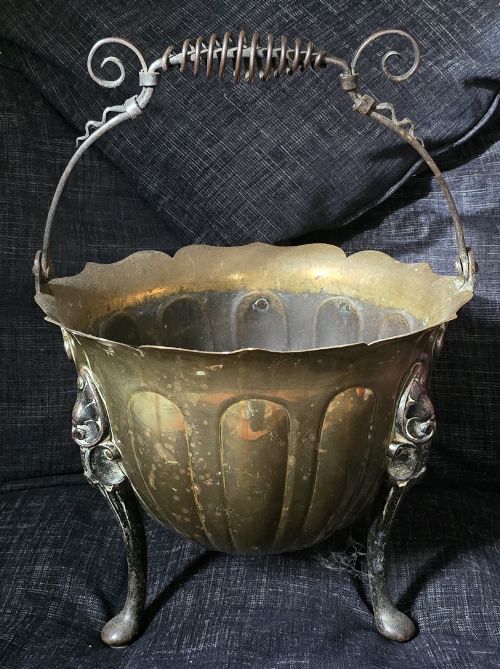
These antique bucket container pieces range from George III copper coal scuttles to Victorian mahogany stick stands, offering robust utility and period charm for the home.
Antique Bucket Container
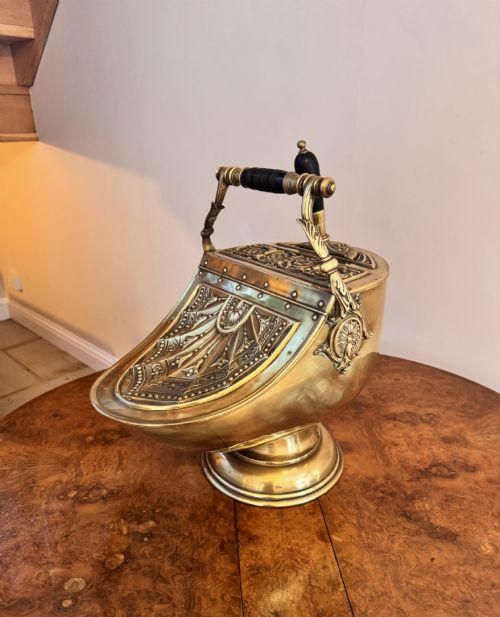
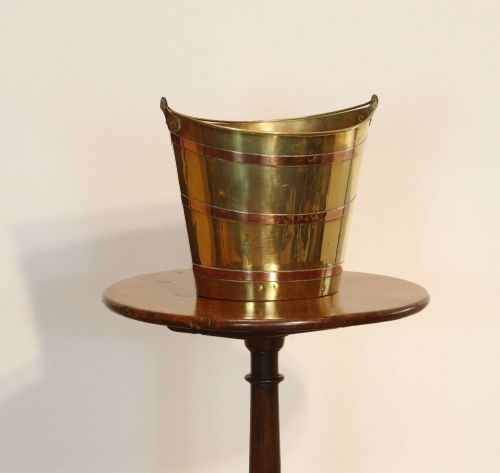
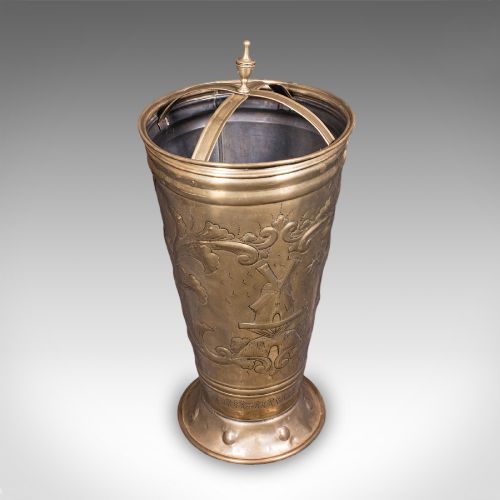
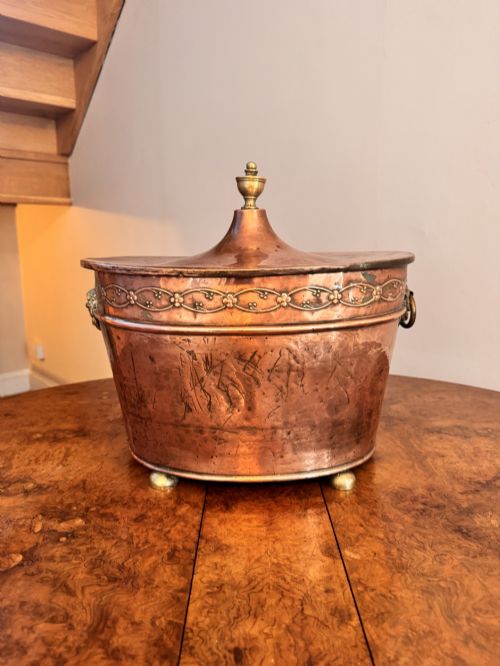
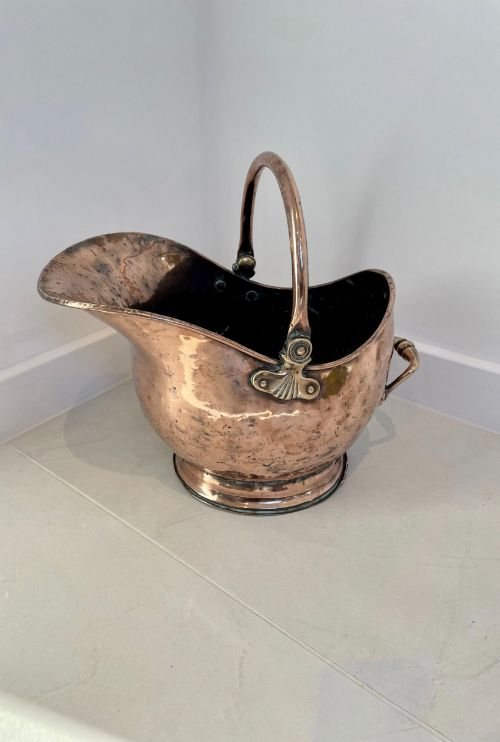
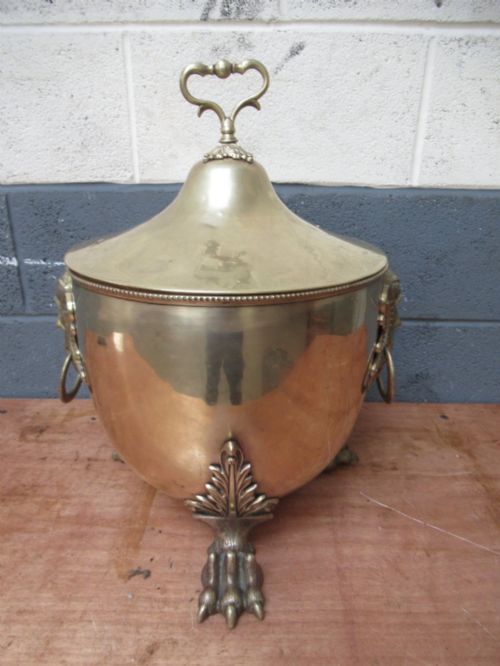
When you search for an antique bucket container, you encounter a diverse array of utilitarian vessels adapted for modern domestic use. The selection spans the nineteenth century through the Edwardian era, encompassing Georgian and Victorian craftsmanship.
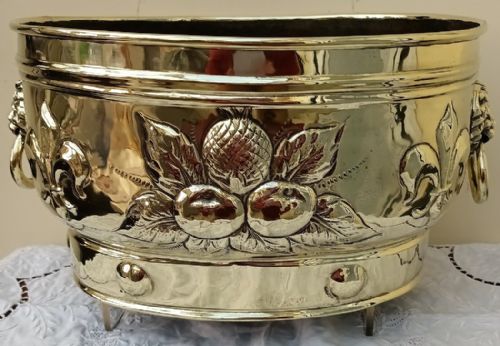
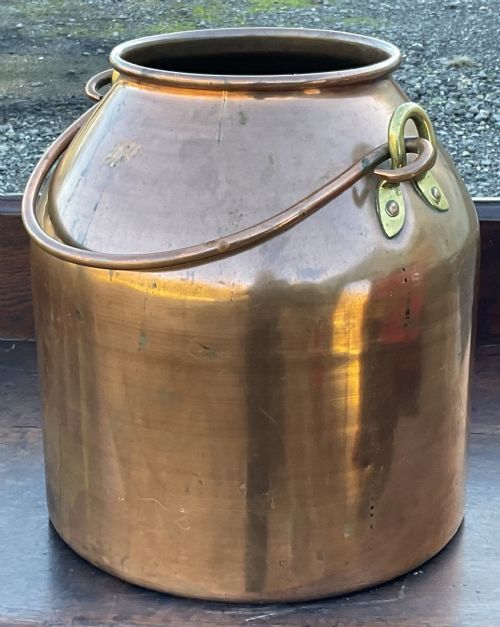
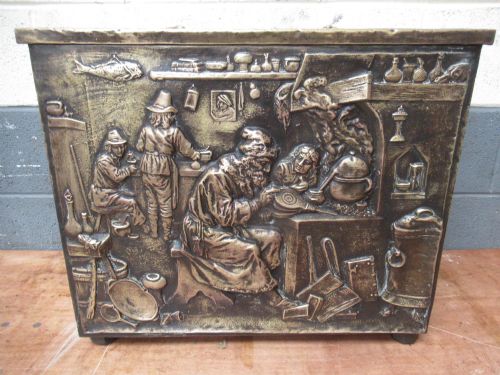
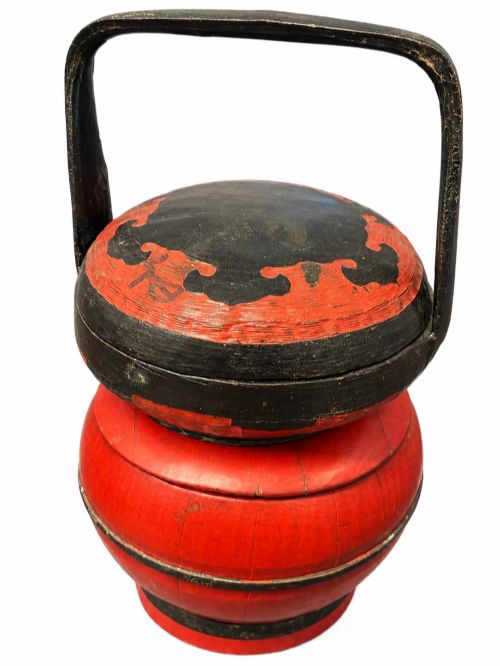
The most common forms on this page include coal scuttles, log bins, planters, jardinieres, umbrella stands, and grain measures. These vessels originate from diverse domestic, industrial, and agricultural contexts, ranging from fireside accessories to French wooden measures.
Materials vary widely, shifting from heavy wrought iron and riveted copper to polished brass, mahogany, oak, and boiled leather. Each piece reflects the functional demands of its period, whether serving a Georgian dining room or a Victorian hearth.
Materials and Techniques
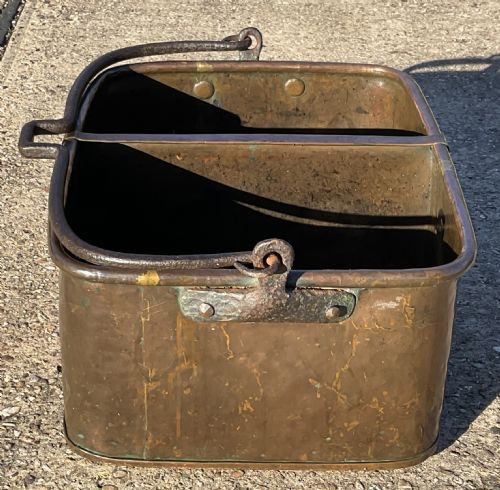
Metals dominate the construction of these vessels, with hand-beaten copper and cast brass joined by rivets and secure seams. Wrought iron handles and iron frames provide structural support for heavy loads like coal and logs.
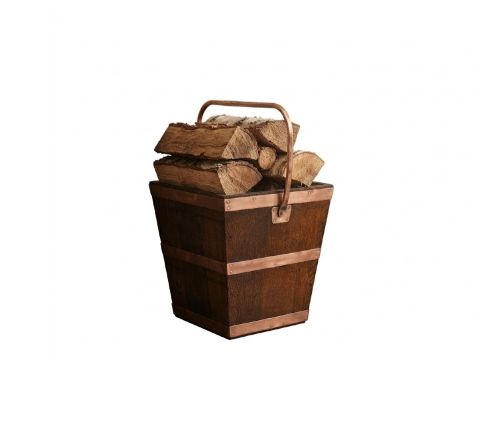
Woodworking traditions appear in mahogany, oak, and elm vessels, often utilising cooperage techniques such as tight stave construction secured by brass bands or iron hoops. Leather pieces employ boiled leather methods to create stiff, durable containers.
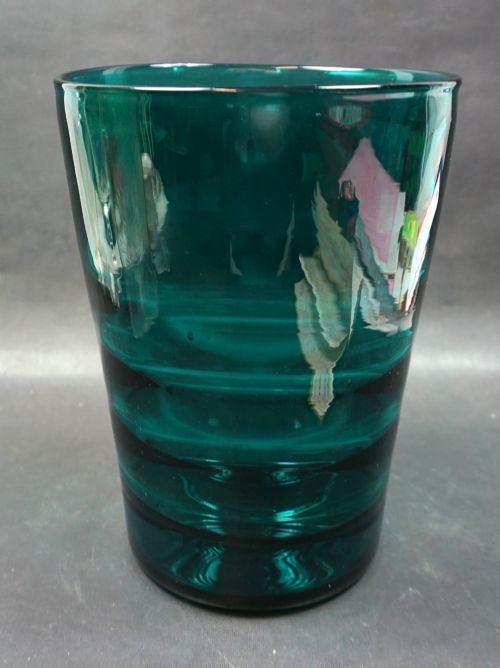
Decorative details rely on period techniques, including embossing, fretwork designs, and silver plating on glass or metal liners.
Antique Bucket Container Retail Price Guide 2026
Typical asking prices for bucket container among the pieces listed under this phrase on Sellingantiques today, from the lower quarter to the upper quarter. They describe what is for sale here now, not the wider market.
Listings feature vessels spanning the eighteenth through the mid-twentieth century, constructed from copper, brass, iron, oak, mahogany, and leather.
Assessing Quality
Quality rests upon the integrity of the original construction and the survival of intended components, such as functional swing handles and matching liners. Heavier gauge metals and tightly joined wooden staves demonstrate superior craftsmanship.
The refinement of surface decoration, from hand-riveted copper seams to crisp brass fretwork and embossed motifs, separates standard utilitarian items from finer examples. Original surface patination and honest wear reflect the true age and history of the piece.
Henry Loveridge·PH Vogel·Richard Arkwright Masson Mills
The Antique Bucket Container Glossary
- Coal Scuttle
- A container designed to hold coal for a fireplace, often featuring a sloping helmet shape and a hinged handle for pouring.
- Jardiniere
- An ornamental pot or stand intended for holding plants or flowers, frequently manufactured in brass or ceramic.
- Stick Stand
- A tall piece of furniture used for holding walking sticks and umbrellas, often incorporating a metal drip tray at the base.
- Grain Measure
- An agricultural wooden or metal container formerly used for measuring dry goods, prized for its rustic appearance.
- Boiled Leather
- A historical hardening technique where leather is submerged in hot water or wax to create rigid, durable containers.
Antique Bucket Container: Frequently Asked Questions
What were antique bucket containers used for?
These vessels served various practical domestic and agricultural purposes, primarily holding coal for fires, storing firewood, or carrying grain and water. Many were designed specifically for the hearthside or hallway.
Over time, several of these utilitarian objects transitioned into decorative roles within the home, acting as planters, umbrella stands, or wine coolers.
How do I clean brass and copper containers?
Maintaining metal surfaces depends on the desired appearance, as many collectors prefer to preserve the aged dark patina rather than polish it to a bright finish. Gentle dusting and occasional wiping with a soft cloth generally suffice for upkeep.
Avoid harsh chemical abrasives that strip away the historical surface character and dull the underlying metal.
Are these coal buckets safe for modern logs?
Most antique metal and wooden buckets can comfortably hold firewood, provided the internal base remains structurally sound and dry. Checking for watertight integrity is especially important if utilising the vessel as a plant holder.
Inserting a modern plastic or metal liner helps protect historic timber or riveted metal interiors from moisture and dirt.
How do I date a copper coal scuttle?
Dating relies heavily on manufacturing techniques, such as hand-beaten hammering marks, riveted joints, and the specific shape of the handle and footed base. Georgian and early nineteenth-century pieces often feature heavier copper gauges and simpler, robust lines.
Later Victorian and Edwardian examples frequently introduce machine-rolled edges, embossed detailing, and more ornate decorative brass mounts.