

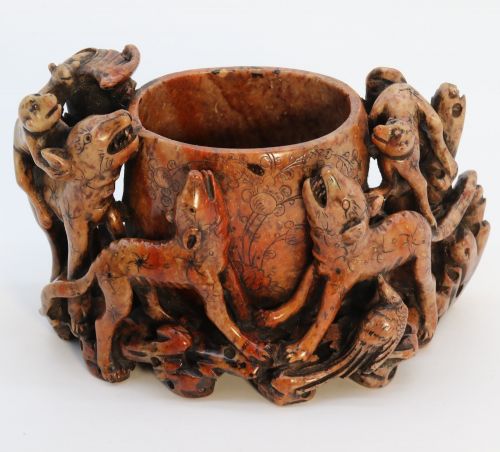


Antique Brush Holder
An antique brush holder is a scholar's desk essential designed to organise writing implements, bringing history and utility into your workspace.
Antique Brush Holder
When you search for an antique brush holder, you encounter scholar's desk accessories primarily originating from China and Japan. These items served a practical purpose in traditional studies, holding calligraphy brushes upright when not in use.
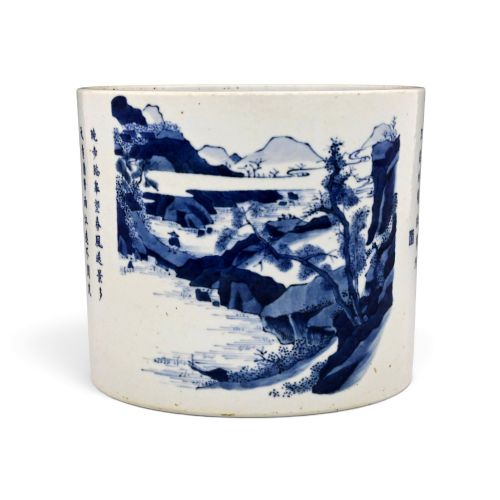
The most common forms on this page are cylindrical brush pots, known as bitong, alongside occasional brush rests. They date predominantly from the nineteenth century, with some examples reaching back to the seventeenth century and the Kangxi period.
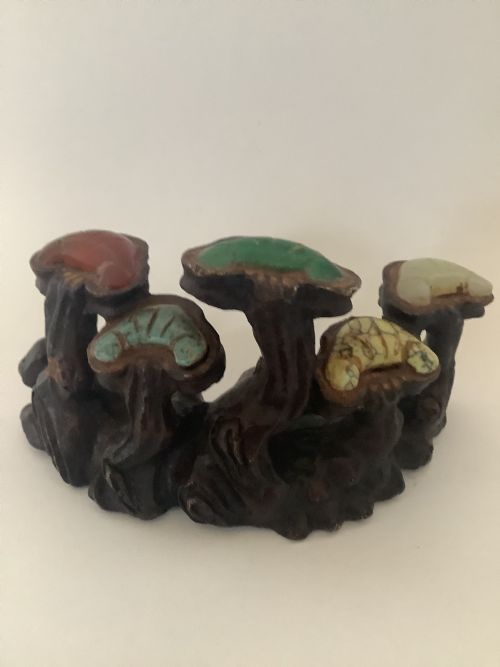
Materials span a diverse range of natural and fired mediums, reflecting the refined tastes of East Asian scholars. You will find items shaped from hardwoods, porcelain, bamboo, soapstone, bronze, and hardstone.
How they were made
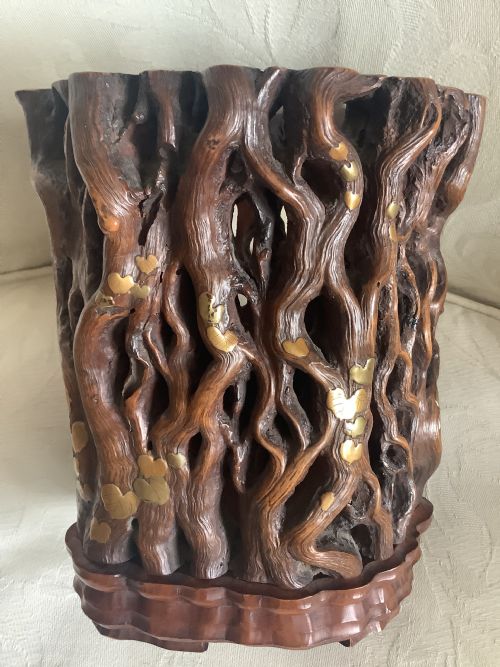
Makers utilised traditional techniques suited to each specific material, such as deep relief carving into dense hardwood or natural bamboo sections. Artisans also worked with cast bronze and mixed metals, often incorporating intricate surface details.
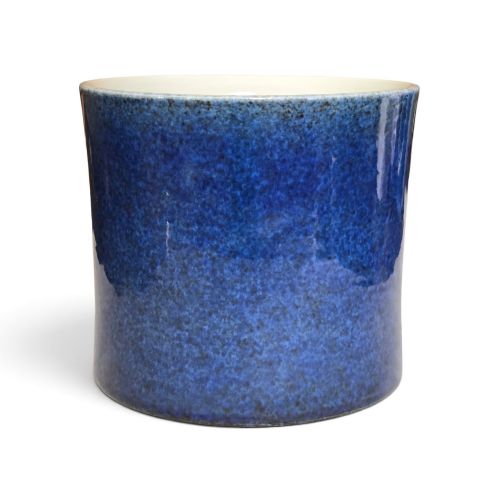
Ceramic examples demonstrate sophisticated kiln methods, displaying cobalt underglaze, powder-blue glazes, and detailed famille rose or famille noire enamelling. Soapstone and hardstone pieces reveal meticulous hand-shaping and polishing to highlight natural grain and colour variations.
Antique Brush Holder Retail Price Guide 2026
Typical asking prices for brush holder among the pieces listed under this phrase on Sellingantiques today, from the lower quarter to the upper quarter. They describe what is for sale here now, not the wider market.
What varies in quality
Depth and precision of the carving separate standard workshop pieces from superior scholarly items. Finer hardwood and bamboo brush pots exhibit crisp undercut details that preserve natural material textures without splitting.
In porcelain and ceramic examples, the control of the glaze and the clarity of painted figures define excellence. The sophistication of the scholar or official scenes painted in famille palettes indicates the skill of the original ceramicist.
The Antique Brush Holder Glossary
- Bitong
- A traditional Chinese cylindrical brush pot used on a scholar's desk. These vessels hold calligraphy brushes and are often carved from bamboo, wood, or porcelain.
- Famille Rose
- A prominent palette of Chinese ceramic enamels introduced in the Qing dynasty, dominated by opaque pink or rose colours. This technique allowed for subtle gradations in painted scholar scenes.
- Kangxi Period
- A significant era of Qing dynasty rule spanning the late seventeenth and early early eighteenth centuries. Porcelains from this time are noted for refined glazes and cobalt underglaze work.
- Meiji Period
- A Japanese historical era marked by the restoration of imperial rule and notable metalwork. Pieces from this time often combine bronze and mixed metals.
- Hardwood
- Dense, slow-growing timber utilised for carving detailed vessels. These woods provide durability and a rich surface patina over centuries.
Antique Brush Holder: Frequently Asked Questions
What is a bitong?
A bitong is a cylindrical container traditionally used on scholars' desks in China to hold writing brushes.
These vessels form the majority of brush holders found in historic collections and marketplace listings.
How were antique brush holders used?
Scholars and officials kept them on desks to store calligraphy brushes within easy reach during writing and painting.
They doubled as decorative art objects that reflected the owner's cultural refinement and appreciation for craftsmanship.
What materials are most common?
Carved hardwood, bamboo, and porcelain appear frequently among historical East Asian desk accessories.
Bronze, soapstone, and hardstone examples also emerge, offering distinct tactile and visual qualities.
How do I care for a wooden brush pot?
Keep wooden and bamboo vessels away from direct sunlight and extreme humidity fluctuations to prevent the natural material from splitting.
Dust them gently with a dry, soft cloth rather than using liquid polishes or harsh cleaning agents.