




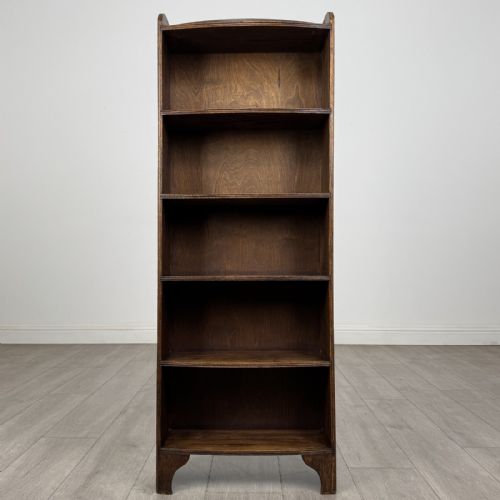
Antique Brown Books
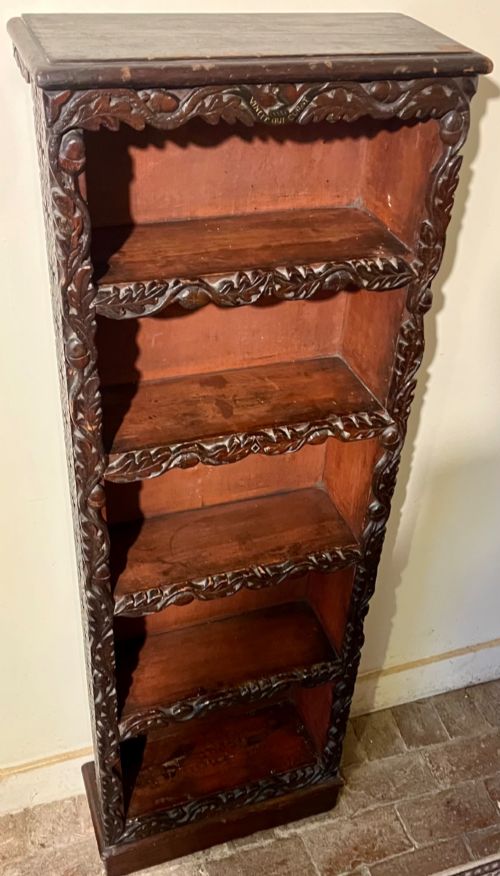
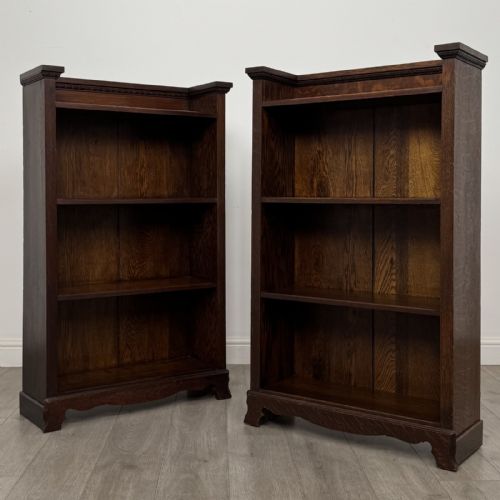
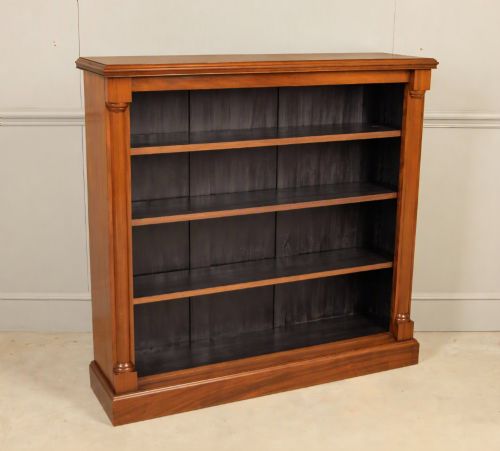
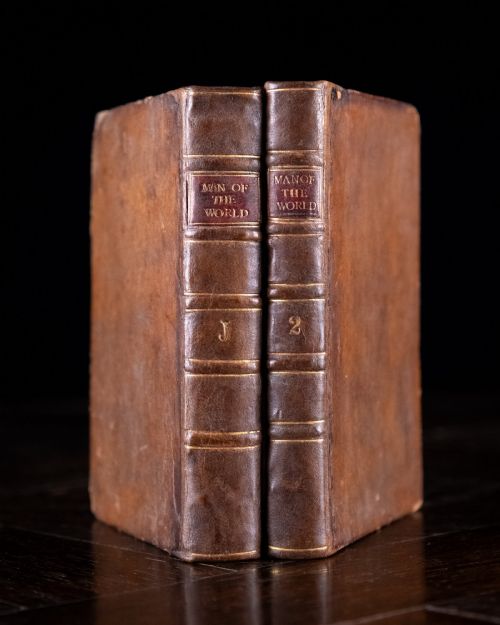
These antique brown books and bookcases offer rich timber tones and solid construction, bringing period character to any room.
Antique Brown Books
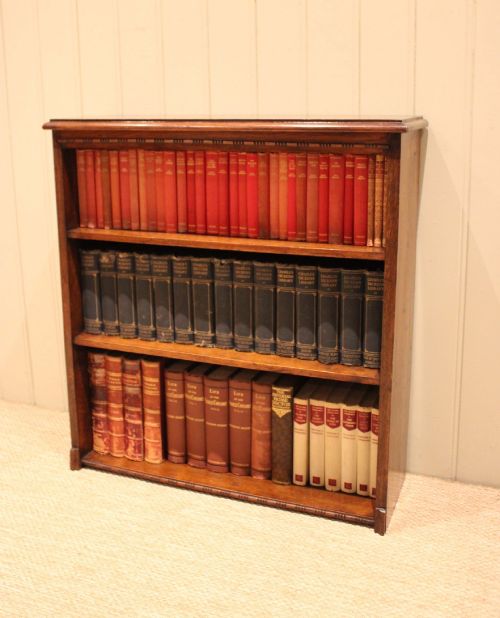
When you search for antique brown books and associated library furniture, you find pieces designed to hold and display volumes in traditional interiors. The selection spans the Victorian, Edwardian, and early twentieth-century periods, alongside Georgian influences.
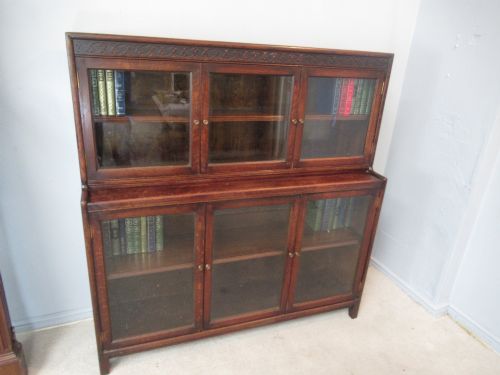
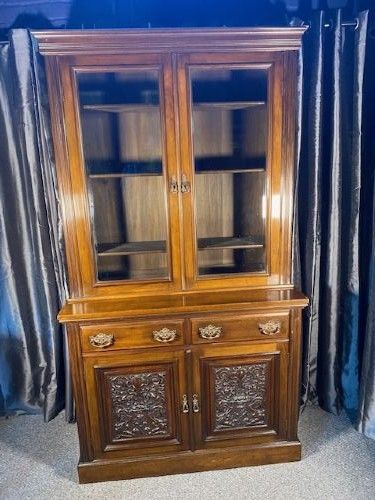
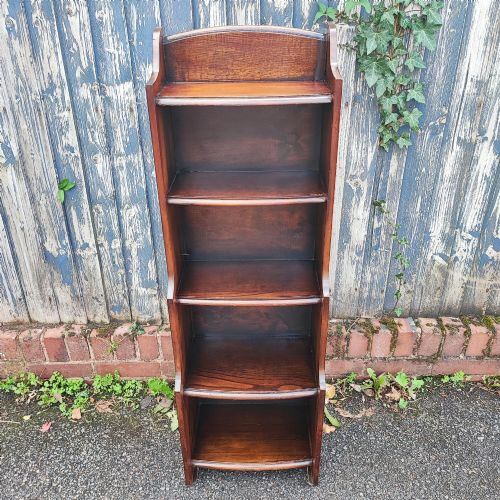
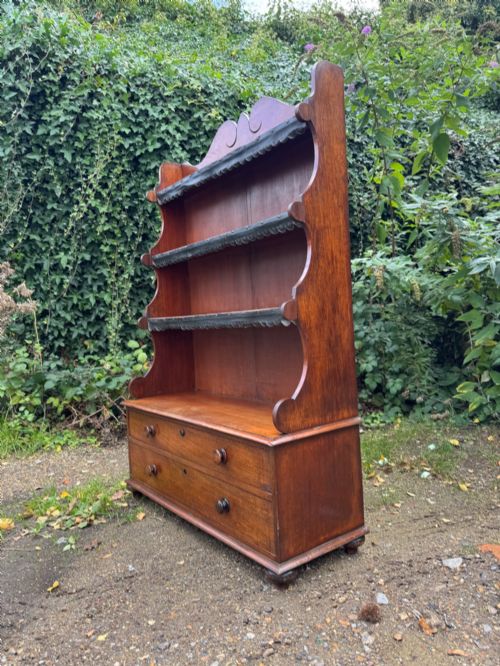
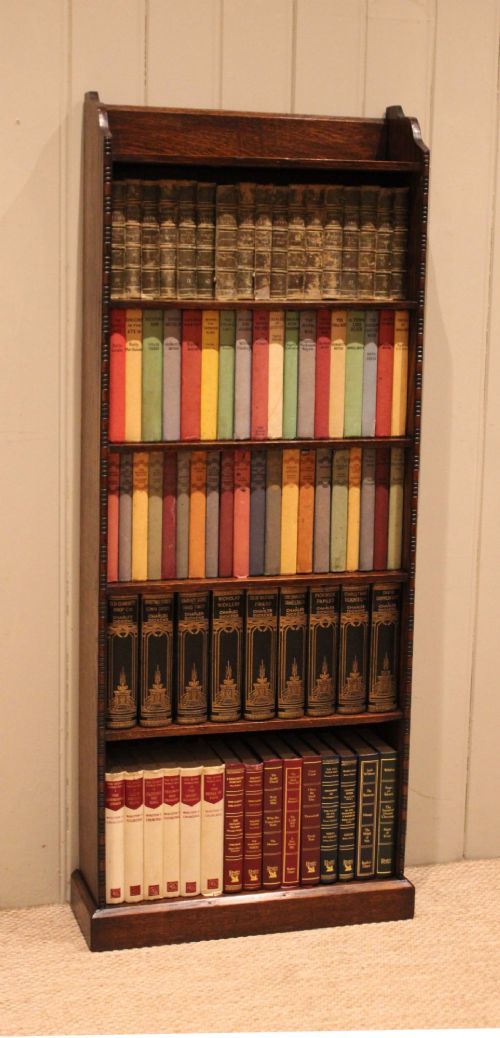
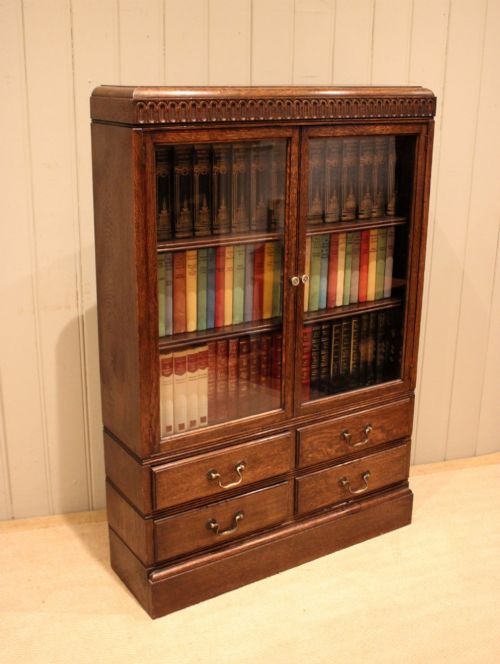
The most common formats on this page are open bookcases, revolving bookcases, and sectional pieces made from timber such as oak, mahogany, and walnut. These brown wood items provide practical storage while anchoring a room with deep, warm hues.
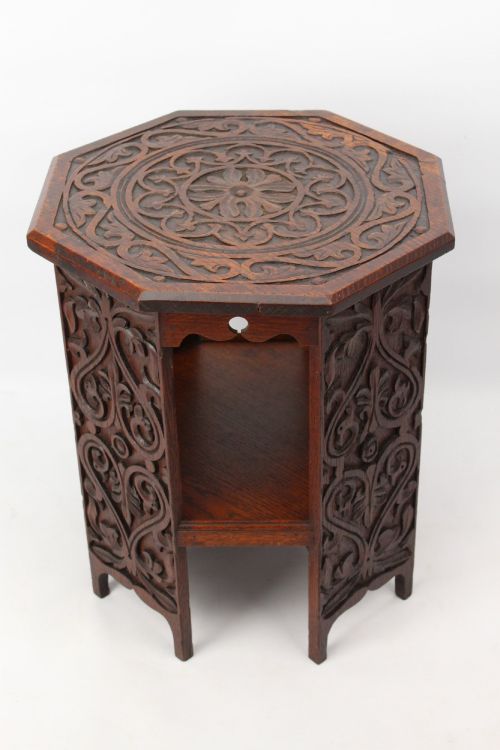
Makers such as Lebus and Bowman Brothers appear in the listings alongside freestanding shelving and tables fitted with book storage. Each piece reflects the domestic storage needs of its respective decade.
Materials and construction methods
The pieces rely on sturdy timbers including oak, mahogany, walnut, and burr walnut, chosen for their rich grain and durability. Joinery methods involve solid framing, dovetailed joints in drawers, and adjustable shelving supported by wooden ratchets or metal pins.
Surface finishes include polished mahogany and oiled oak, sometimes enhanced with inlaid details, brass castors, or raised galleries. Revolving models incorporate clever internal spindle mechanisms that allow the bookcase to turn smoothly on a central base.
Antique Brown Books Retail Price Guide 2026
Typical asking prices for brown books among the pieces listed under this phrase on Sellingantiques today, from the lower quarter to the upper quarter. They describe what is for sale here now, not the wider market.
Revolving bookcases let you spin your whole library with one finger while sitting in your favourite armchair.
Assessing quality in timber library pieces
Quality reveals itself in the selection of timber, such as highly figured burr walnut or dense, unblemished mahogany, rather than plain veneers on secondary woods. Superior examples show refined proportions, crisp carving, and well-fitted internal components like adjustable shelves.
The integrity of the construction, including tight joints and original brass or cast iron hardware, separates standard utility furniture from finer workshops. Pieces retaining their original rich colour and honest patina command greater attention from collectors.
Lebus·Bowman Brothers·Liberty
The Antique Brown Books Glossary
- Breakfront
- A cabinet or bookcase where the central section projects forward from the flanking wings. This architectural arrangement creates depth and visual interest in large rooms.
- Revolving bookcase
- A freestanding tiered bookcase mounted on a hidden rotating base. Users can spin the unit easily to access books from all sides.
- Gallery
- A raised decorative border running along the top edge of a piece of furniture. It prevents items from sliding off the surface.
- Sectional bookcase
- A modular bookcase built from stackable tiers with glass or open fronts. This design allows the unit to be taken apart and reassembled in sections.
- Burr walnut
- Timber taken from the warted growth on a walnut tree, yielding complex, swirling grain patterns. Cabinetmakers prize it for decorative veneering.
Antique Brown Books: Frequently Asked Questions
How do I date an oak bookcase?
Examine the timber selection, backboards, and construction methods used in the frame. Edwardian and early twentieth-century pieces often feature quarter-sawn oak with prominent medullary rays and simpler mechanical adjustments.
Victorian and earlier examples typically display hand-planed backboards, deeper colour tones, and heavier proportions. Hardware such as brass castors or screw types also helps narrow down the production era.
What is a revolving bookcase used for?
A revolving bookcase holds dictionaries, reference volumes, or favourite reading material within arm reach next to a desk or armchair. The rotating mechanism allows users to select books quickly from small floor footprints.
These pieces became popular in the late nineteenth and early twentieth centuries for domestic studies and libraries. Their compact design maximises storage capacity in confined spaces.
Are shelves usually adjustable?
Many larger bookcases feature adjustable shelving supported by wooden ratchets, metal studs, or sliding pins. This flexibility accommodates books of varying heights, from small novels to large folios.
Fixed shelving is more common in simpler utility pieces or specific antique formats where structural rigidity relies on permanent partitions. Checking the interior walls reveals the adjustment system used.
How should I care for brown timber?
Keep wooden furniture away from direct heat sources and strong sunlight to prevent the timber and polish from drying out. Dust regularly with a dry cloth and apply a quality beeswax sparingly to nourish the grain.
Avoid silicone-based sprays, which can build up on the surface and damage the antique finish over time. Maintaining stable room humidity protects the joints and prevents wood movement.