
Antique Bronze Relief
These antique bronze relief pieces bring tactile depth and historic narrative into a room, spanning wall plaques, vessels, and decorative mounts.
Antique Bronze Relief
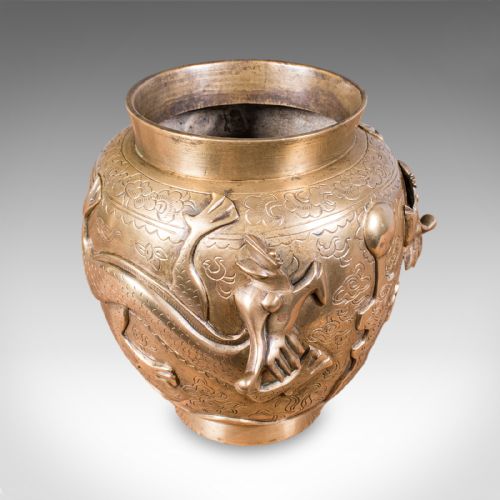
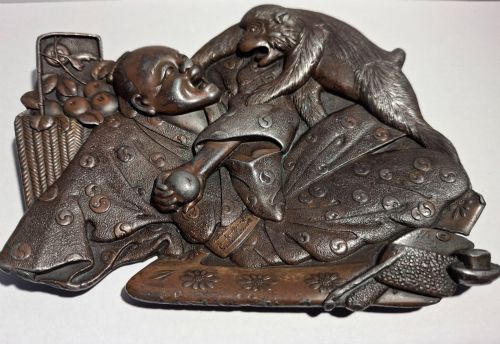
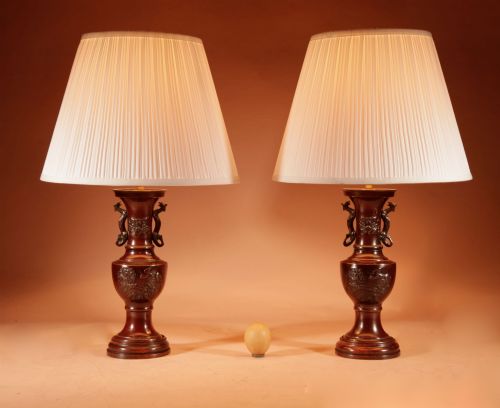
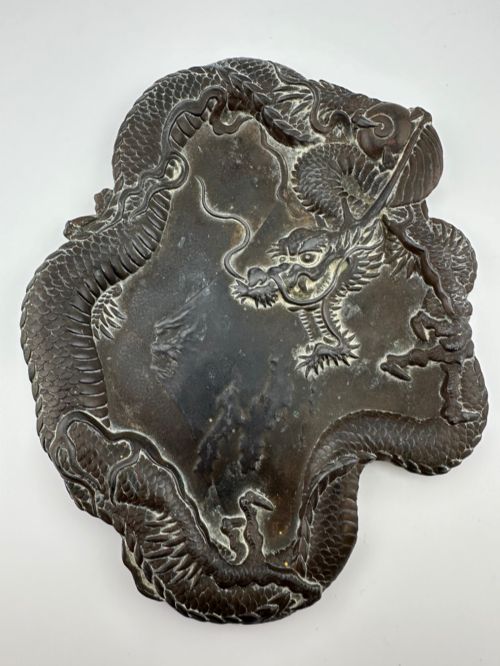
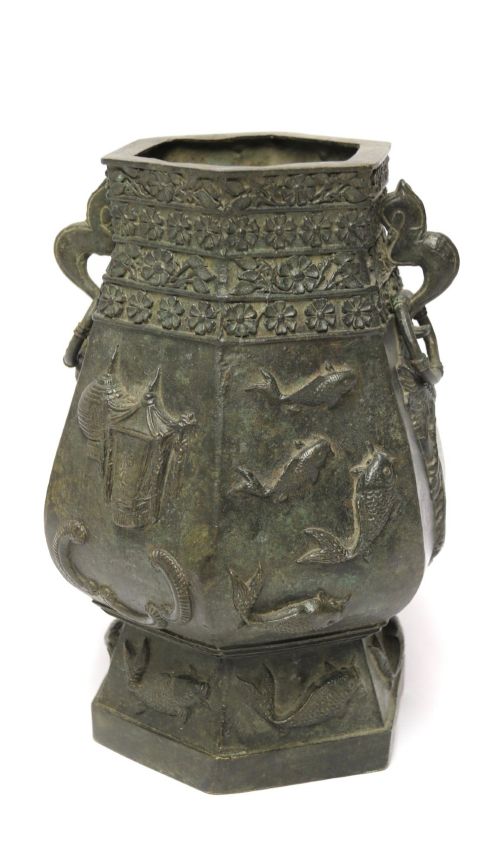
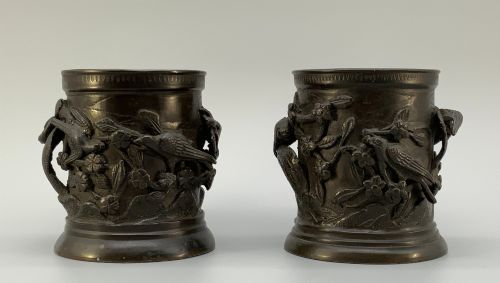
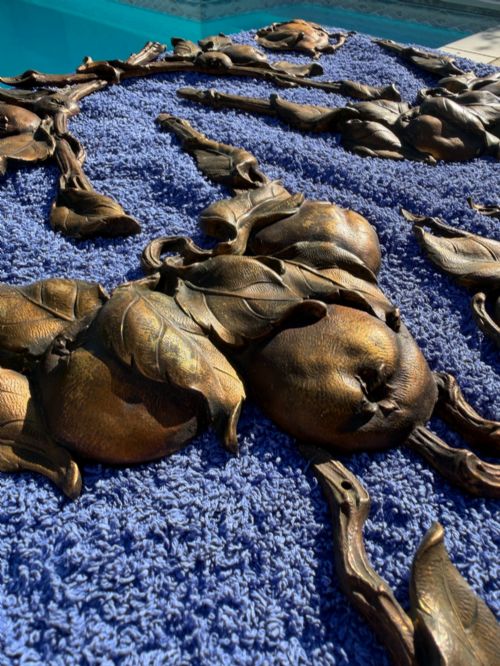
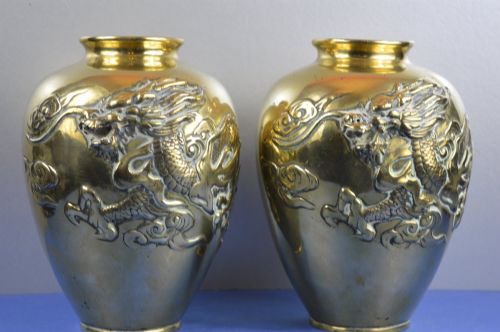
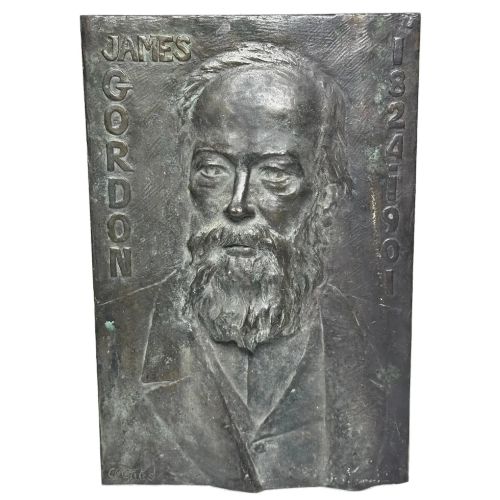
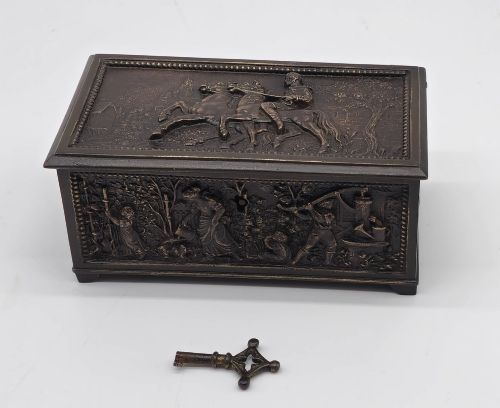
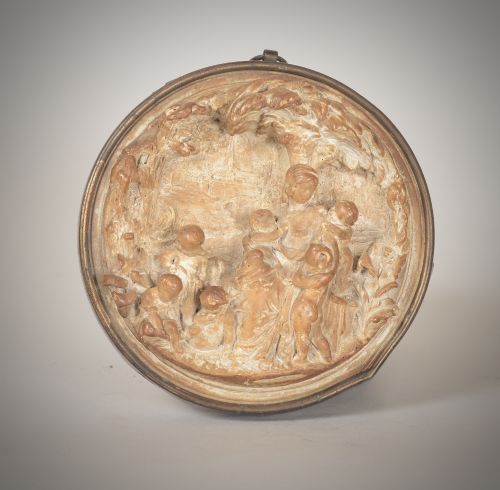
When you search for antique bronze relief, you find cast metal works where figures, foliage, and scenes project from a flat or curved background. These objects emerge primarily from the nineteenth century, taking the form of wall plaques, portrait medallions, decorative urns, and vessels.
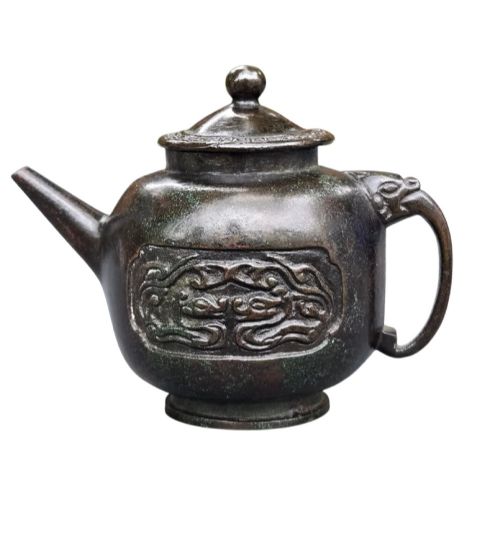
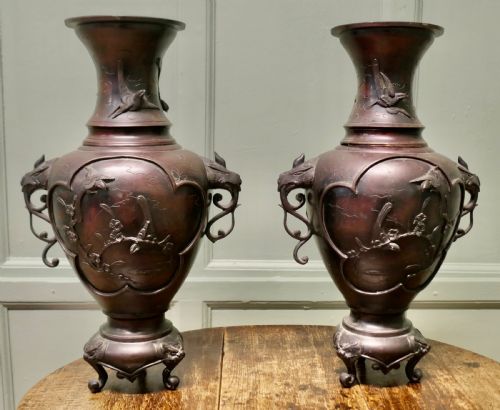
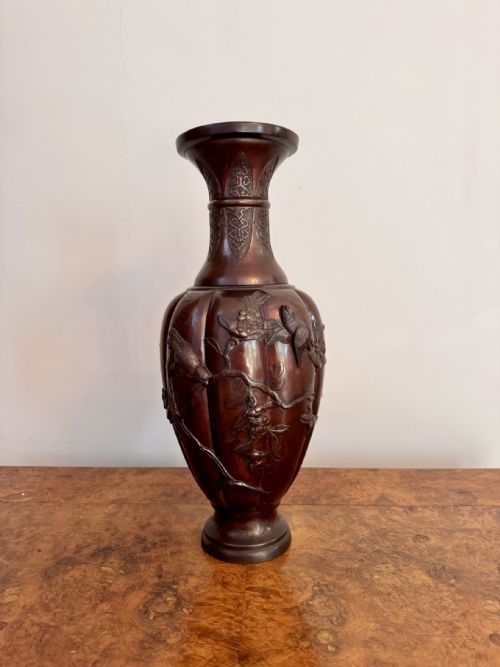
The selection here encompasses Victorian European pieces alongside Japanese Meiji period bronzes and Chinese scholarly items. Wall plaques and portrait panels present figurative scenes clearly, while functional items like vases and incense burners integrate cast ornamentation directly into their bodies.
How They Were Made
These works rely on traditional casting techniques, utilising copper-alloy metals such as bronze, brass, and copper. Molten metal flows into moulds to capture intricate details, frequently enhanced through subsequent hand-chasing or patination.
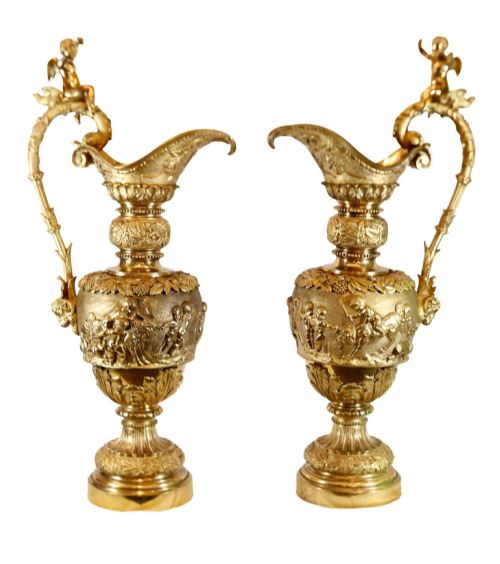
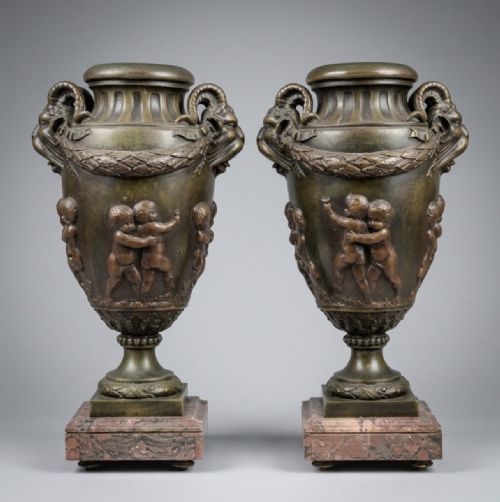
Many pieces incorporate contrasting elements like black marble bases, porcelain inserts, or gilt surfaces. Ormolu and gilt bronze treatments provide bright highlights against dark, patinated backgrounds.
Listings feature items from the nineteenth century, incorporating Japanese Meiji period bronzes, Chinese vessels, and European Neoclassical wall plaques.
What Varies in Quality
Artistic execution dictates distinction, seen in the fluid movement of figures on Japanese panels or the balanced proportions of Neoclassical French mounts. Signed works by recorded modellers command greater interest through documented authorship.
Poix Blin·Eugene Canneel·Mainfroy·Ernst Wahliss·Smith, Beck and Beck
The Antique Bronze Relief Glossary
- Patinated Bronze
- Bronze treated with chemical solutions to produce a specific surface colour or dark finish. This layer protects the metal while accentuating sculptural details.
- Ormolu
- Finely ground gold-mercury amalgam applied to bronze objects. This French gilding method creates a rich golden lustre on nineteenth-century decorative mounts.
- Grand Tour
- Cultural journey across Europe undertaken by nineteenth-century travellers. They collected small bronzes, plaques, and classical antiquities as souvenirs.
- Meiji Period
- Era of Japanese history lasting from 1868 to 1912. Bronzes from this time often depict flora, fauna, and mythology with high technical precision.
Antique Bronze Relief: Frequently Asked Questions
How were these bronze pieces used?
Many wall plaques served as decorative art displayed directly on walls or incorporated into furniture. Other items functioned as desk accessories, inkwells, or lighting.
Larger vessels and urns acted as decorative centrepieces in nineteenth-century interiors, often paired with marble pedestals or bases.
How do I care for antique bronze?
Bronze requires minimal intervention to preserve its original surface and patination. Dusting with a soft, dry cloth prevents the accumulation of grime.
Avoid using commercial metal polishes or harsh cleaning agents, as these compounds strip away historical patinas and damage the surface.
How do I identify the period?
Dating relies on stylistic clues, manufacturing techniques, and occasional signatures or foundry marks. Neoclassical motifs point to earlier nineteenth-century revivals.
Japanese Meiji pieces and Victorian European works display distinct regional aesthetics, casting methods, and subject matter characteristic of their respective eras.