






Antique Bronze Ram
An antique bronze ram brings classical majesty to a room, cast in heavy metal or ormolu to form mounts, handles, and lighting.
Antique Bronze Ram
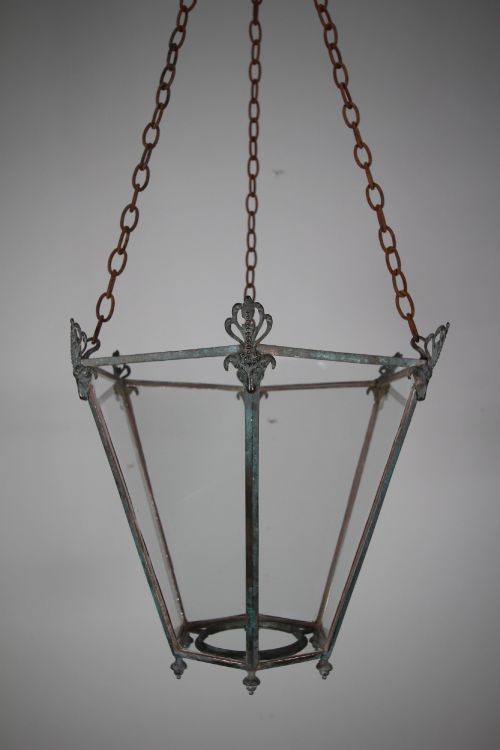
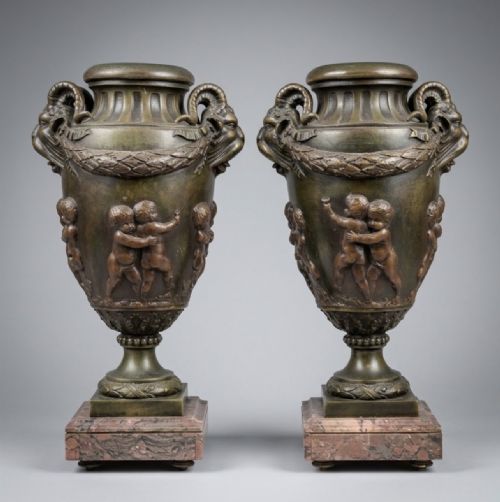
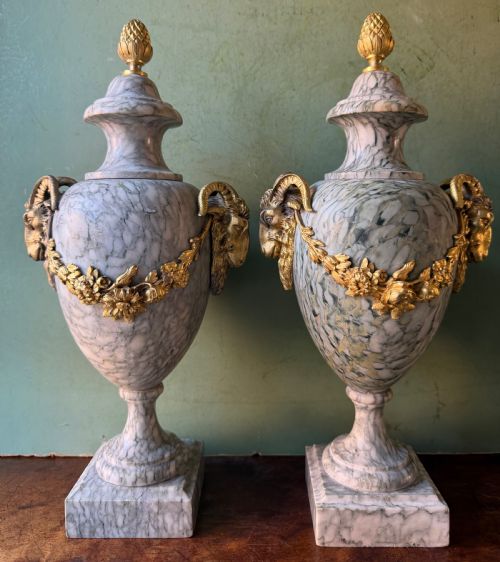
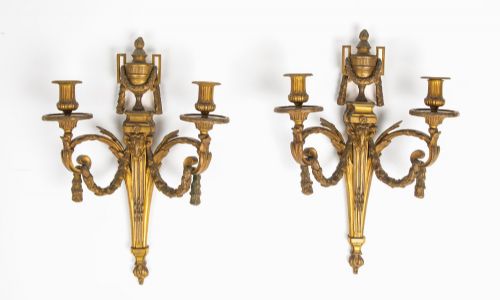
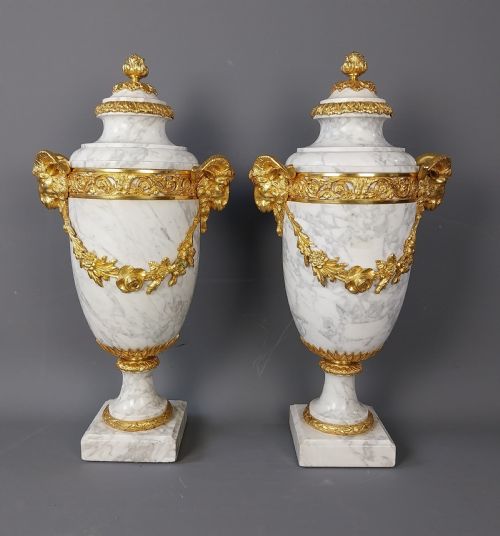
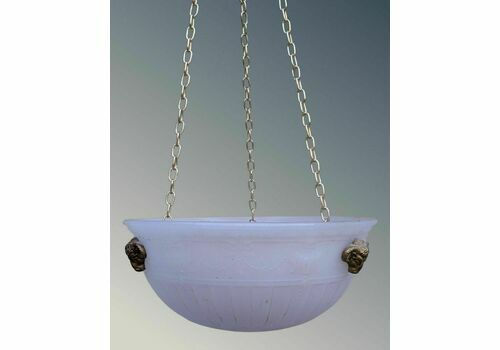
An antique bronze ram usually appears as a decorative mount, handle, or masking motif upon French Empire, Regency, and Louis XVI style objects. These pieces range from wall sconces and cassolettes to grand wine coolers, table lamps, and decorative urns.
The objects themselves often incorporate veined marble, gilt bronze, ormolu, and glass alongside the bronze elements. Most examples date from the nineteenth century, drawing heavily on neoclassical design principles from earlier periods.
Buyers seeking an antique bronze ram will frequently encounter pairs of wall lights, urns, or table lamps featuring sculpted ram's head masks. These items served both functional and decorative roles in high-status interiors.
Materials and construction
The construction of these pieces relies on metal casting, often combining bronze, gilt bronze, or ormolu with supportive structures of white or grey-green veined marble. Spelter appears as an alternative metal in some nineteenth-century decorative urns.
Gilding and patination bring out the sculpted details of the ram motifs, while applied enamel, glass, or ceramic elements add colour and contrast. Artisans mounted the metalwork onto heavy stone or marble bases to create stable decorative objects.
Antique Bronze Ram Retail Price Guide 2026
Typical asking prices for bronze ram among the pieces listed under this phrase on Sellingantiques today, from the lower quarter to the upper quarter. They describe what is for sale here now, not the wider market.
Current listings feature nineteenth-century items in Neoclassical, Regency, and Louis XVI styles, incorporating gilt bronze, marble, and glass.
Assessing quality and execution
The choice and integration of secondary materials also set pieces apart, such as the selection of genuine Campan vert marble versus simpler stone bases. Superior items show harmonious proportions between the metal mounts and the glass, ceramic, or marble bodies.
The Antique Bronze Ram Glossary
- Ormolu
- Gilded bronze produced by applying a mercury-gilding amalgam to cast bronze. This technique creates a durable, warm golden finish seen on many nineteenth-century mounts and lighting components.
- Cassolette
- A decorative vessel designed to function either as a vase or a burner for perfumes. They often feature reversible lids and bronze or ormolu mounts incorporating ram motifs.
- Spelter
- A zinc alloy utilised as a less expensive substitute for bronze in nineteenth-century decorative objects. It is frequently bronzed or painted to imitate heavier metal.
- Neoclassical
- A dominant style revival drawing inspiration from classical antiquity. It governs the symmetrical urns, wall lights, and lamps decorated with ram's heads in this category.
- Cornucopia
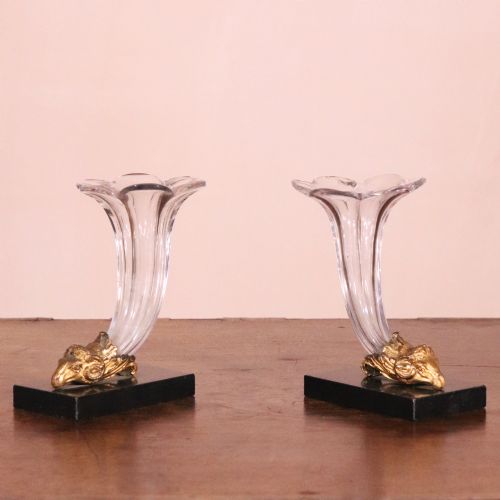
- A horn-shaped vessel symbolising abundance, often utilised in pairs as ornamental vases or lighting supports. They appear paired with glass and gilt bronze.
Antique Bronze Ram: Frequently Asked Questions
What periods do these pieces come from?
The available items span the nineteenth century, with specific examples referencing Regency, George IV, and French Empire aesthetics. Many pieces also adopt a Louis XVI period style.
Craftsmen produced these works across different European centres, notably in France and Italy, maintaining classical design traditions.
How were ram motifs used?
Ram's heads and masks functioned primarily as decorative mounts on the shoulders of urns, the sides of wine cisterns, and the brackets of wall sconces. They symbolised classical strength and pastoral mythology.
These motifs allowed makers to unify disparate elements like marble bodies and gilt bronze handles into a cohesive neoclassical design.
Where should I place these items?
These decorative objects suit mantelpieces, sideboards, or console tables where their mixed materials can catch the light. Wall sconces require secure mounting to support the weight of bronze and marble elements.
Table lamps and cassolettes function well as focal points in studies or drawing rooms styled with traditional or classical furnishings.
How do I identify different styles?
Neoclassical and Regency pieces rely on strict symmetry, architectural proportions, and motifs derived from ancient Greece and Rome. Louis XVI style items often incorporate delicate floral garlands alongside the characteristic ram heads.
Examining the base materials, such as Campan vert marble or blue glazed ceramic, helps distinguish French production from Italian or English work.