


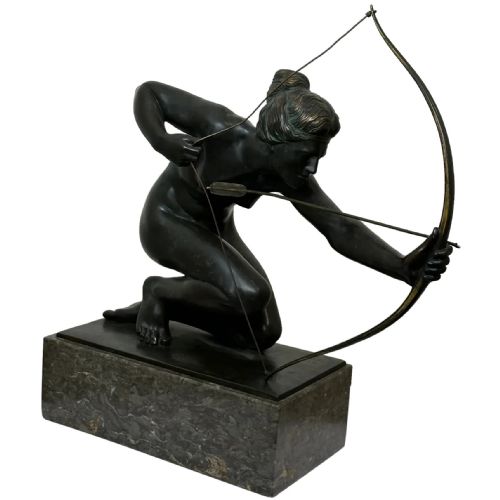
Antique Bronze Goddess
These antique bronze goddess figures are classical bronze sculptures and grand tour souvenirs depicting mythical deities, offering collectors timeless sculptural elegance.

Antique Bronze Goddess
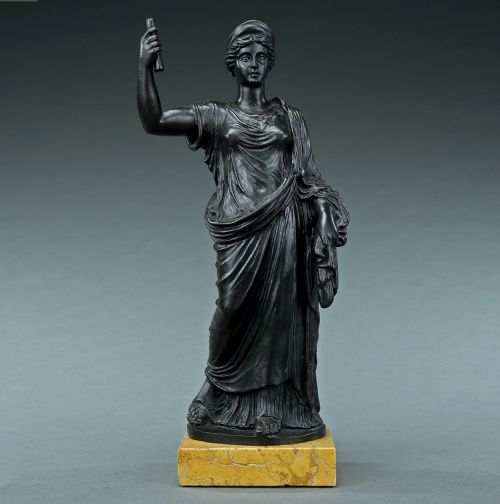
When you search for antique bronze goddess, you are looking at cast metal sculptures depicting classical, mythological, and Eastern deities such as Juno, Venus, Diana, Athena, and Tara. Most examples encountered here originate from the nineteenth century, including French Grand Tour souvenirs and classical revival pieces.
The forms range from small cabinet busts and standing statues mounted on marble plinths to functional items like candelabra, table lamps, and vases. Subjects often replicate famous ancient sculpture types, including figures holding attributes like bows, sickles, or arrows.
Geographic origins span European workshops in France alongside Tibetan and Javanese Buddhist depictions of figures such as Guanyin and Tara. These pieces serve as decorative interior statements reflecting nineteenth-century and earlier classical tastes.
How they were made
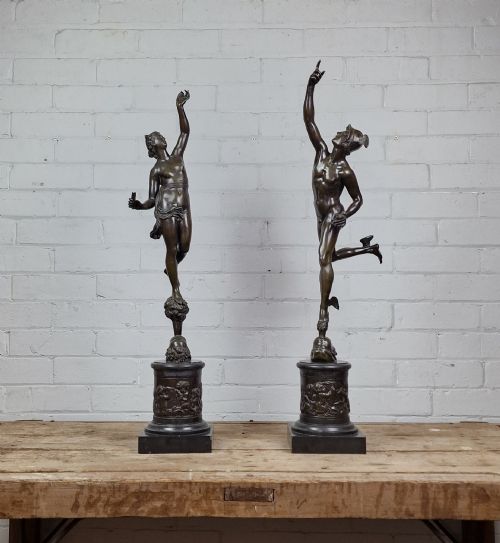
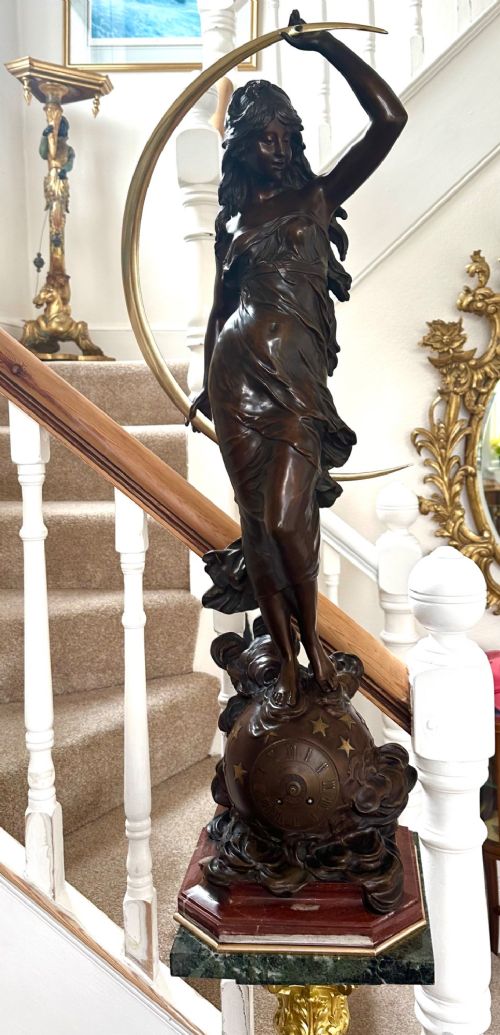
Makers utilised traditional metal casting techniques to form the figures from bronze, occasionally employing brass or finishing surfaces with gilt and dark patination. Many nineteenth-century French and Grand Tour examples combine patinated or gilded cast bronze with heavy bases made of marble or black slate.
Surface finish was achieved through hand-chasing the cast metal and applying chemical patination to create subtle tonal variations. Details such as robes, hair, and attributes were often individually worked before mounting onto stone plinths or integrating into candelabra assemblies.
Materials recorded across the listings include bronze, marble, patinated bronze, wood, gilded bronze, brass, fabric, and black slate.
What varies in quality
The quality of the mountings and secondary materials, such as finely polished marble plinths or integrated gilt bronze candelabra arms, influences the overall character of the piece. Signatures from recorded sculptors and founders further elevate the status of individual bronzes.
August Moreau·Giambologna·Mercié·R Henn·Bulio·Louis Ernest Barrias
The Antique Bronze Goddess Glossary
- Grand Tour
- A nineteenth-century travel souvenir tradition where wealthy collectors purchased bronze reductions of classical antiquities in Italy and France.
- Patinated bronze
- A metal sculpture treated with chemical solutions to produce a controlled surface colour, ranging from deep brown to greenish tones.
- Lost-wax casting
- A method of metal casting where a molten bronze is poured into a mould created by replacing a wax model with refractory material.
- Neoclassical
- An artistic style drawing inspiration from the classical art and culture of ancient Greece and Rome, prominent during the eighteenth and nineteenth centuries.
- Candelabra
- A branched candlestick holder, frequently cast in bronze and integrated with figural goddess sculptures in French Empire and revival designs.
Antique Bronze Goddess: Frequently Asked Questions
What periods do these pieces come from?
The selection primarily dates from the nineteenth century, including Victorian works and Grand Tour souvenirs from the eighteen-eighties and eighteen-nineties. Earlier pre-sixteenth century examples also appear alongside mid-twentieth-century revival pieces.
Most items reflect nineteenth-century European neoclassical tastes, though Asian Buddhist traditions are represented through Tibetan and Javanese statues from the late nineteenth century and earlier periods.
How were these bronze figures used?
Nineteenth-century collectors displayed these bronze goddess sculptures on tabletops, desks, and mantelpieces as decorative art objects that demonstrated classical education and refined taste. Many functioned as decorative centerpieces within domestic interiors.
Some pieces served a dual practical purpose, functioning as candelabra, candle holders, table lamps, or vases while incorporating figural depictions of mythological deities.
How do I identify a Grand Tour bronze?
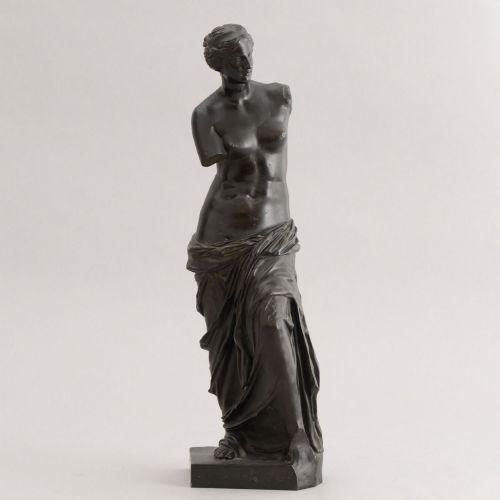
Grand Tour bronzes are typically smaller scale reductions of famous ancient sculptures, produced in European centres like Paris or Rome during the nineteenth century for travellers. They often feature dark patination and are mounted on heavy marble or slate plinths.
These souvenirs frequently recreate celebrated classical statues such as Venus de Milo or works after antique sculpture types collected during European travels.
How should I care for antique bronze?
Bronze requires minimal maintenance, needing only gentle dusting with a soft, dry cloth to prevent particulate accumulation on the surface. Avoid chemical cleaners or polishes that can strip the original patination.
Keeping the sculptures in stable environmental conditions away from excessive moisture protects both the metal patination and the integrated marble or slate plinths.