



Antique Bronze Fox
An antique bronze fox captures the cunning creature in metal, offering a tactile piece of natural history for the desk or mantelpiece.
Antique Bronze Fox
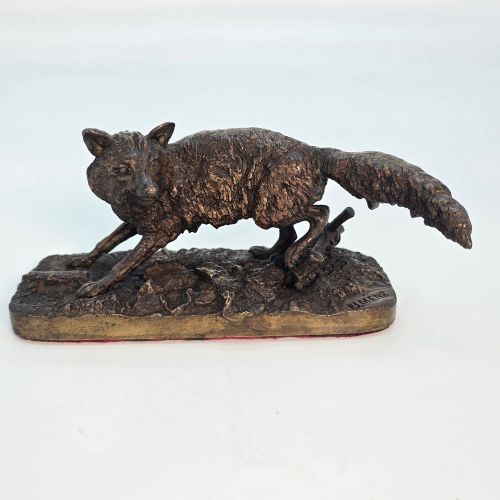
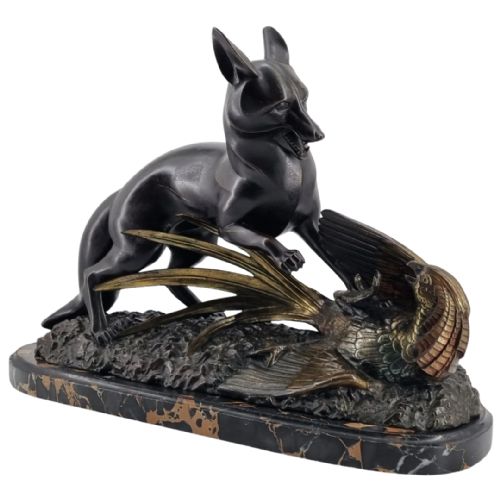
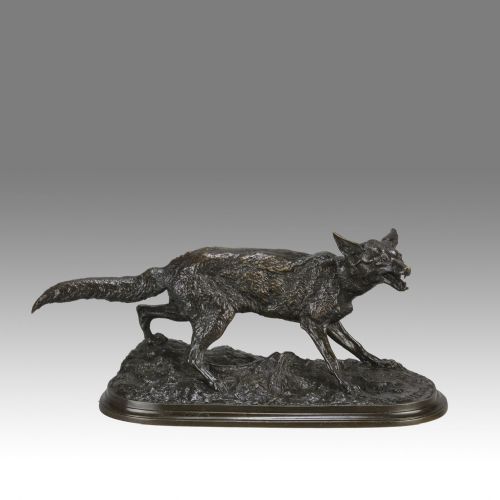
When you search for an antique bronze fox, you are looking at small animalier sculptures, desk accessories, and figural groups depicting the animal in various postures. These pieces capture the cunning nature of the creature, often shown alone or interacting with prey and hunting scenes.
You are most likely to meet 19th-century animalier works and early 20th-century studies on this page. The forms range from naturalistic standing figures to humorous novelties like a fox dressed in a nightgown as an inkwell.
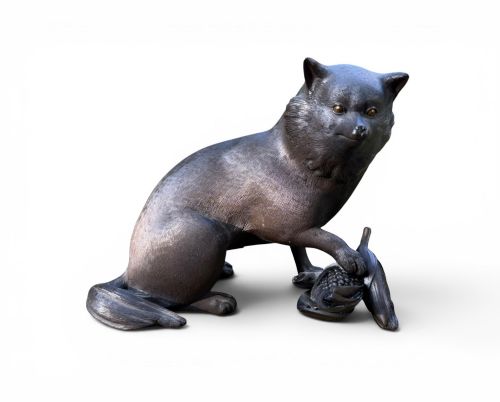
The origins span European foundries, notably French and Austrian workshops, alongside Japanese Meiji period okimono. These objects served as desk ornaments, study pieces, and decorative cabinet items for Victorian and Edwardian collectors.
How they were made
Foundries cast these figures using the lost-wax technique or sand casting to achieve crisp fur texture and lifelike musculature. Molten metal poured into moulds resulted in solid or hollow forms that were subsequently chased and filed by hand.
Makers applied various surface treatments, including dark patination, cold-painting with polychrome pigments, silvering, and gilding. Many figures were then mounted onto bases of marble, green onyx, or wood to provide stability and visual contrast.
Antique Bronze Fox Retail Price Guide 2026
Typical asking prices for bronze fox among the pieces listed under this phrase on Sellingantiques today, from the lower quarter to the upper quarter. They describe what is for sale here now, not the wider market.
Mr Fox wears a nightgown on one inkwell, proving that even cunning hunters need their sleep before the chase.
What varies in quality
The fidelity of the casting separates standard production from superior examples. A high-quality piece retains sharp detail in the fur, facial expression, and natural anatomy without blurring from worn moulds.
The quality of the finishing and patination dictates the overall depth of the object. Hand-chasing after casting and well-preserved cold painting or patination indicate a more skilled hand in the workshop.
P J Mêne·Clovis Masson·John Willis Good·Lavroff
The Antique Bronze Fox Glossary
- Animalier
- A nineteenth-century art movement and style dedicated to the realistic portrayal of animals. Sculptors in this tradition focused on the anatomical accuracy and dynamic movement of beasts.
- Cold painted
- A method of applying non-fired paint to bronze surfaces, often associated with Austrian foundries. This technique allowed for vivid polychrome decoration on small cabinet bronzes.
- Okimono
- A Japanese decorative carving or casting intended for display on a shelf or in a tokonoma alcove. These objects range from mythological subjects to acute observations of natural wildlife.
- Patina
- The surface coloration and sheen developed naturally through age or applied artificially by the foundry. It protects the metal and adds tonal depth to the sculpture.
Antique Bronze Fox: Frequently Asked Questions
What is an animalier bronze?
An animalier bronze is a nineteenth-century sculpture focused specifically on the realistic depiction of animals in action or repose. These pieces highlight the natural behaviour and musculature of creatures like foxes.
Artists observed wildlife closely to translate movement into metal. Collectors prized these sculptures for their lifelike presence in domestic interiors.
How do I care for antique bronze?
Keep bronze objects away from direct moisture and extreme temperature fluctuations to protect the underlying metal and patina. Dust them gently with a soft, dry cloth rather than using chemical polishes.
Applying wax is occasionally done to preserve the surface, but frequent handling and harsh cleaning agents will strip the original finish.
Why are some foxes mounted on stone?
Many bronze figures are mounted on marble or green onyx bases to provide a heavy, stable foundation for display. These stone plinths also offered a clean architectural contrast to the dark or gilt metal above.
Desk accessories and larger sculptural groups utilised stone bases to integrate the sculpture securely into domestic or office furnishings.
What distinguishes cold painted bronze?
Cold painting involves applying oil or enamel paints to an unheated bronze casting, a technique favoured by Austrian workshops. This method allowed makers to render naturalistic colouring on fur and feathers.
Because the paint was not fired in a kiln, these surfaces require careful handling to prevent flaking and wear over time.