


Antique Bronze Figurine Pair
An antique bronze figurine pair brings classical harmony or playful character to a mantelpiece, offering matched balance through dual sculptural subjects.
Antique Bronze Figurine Pair
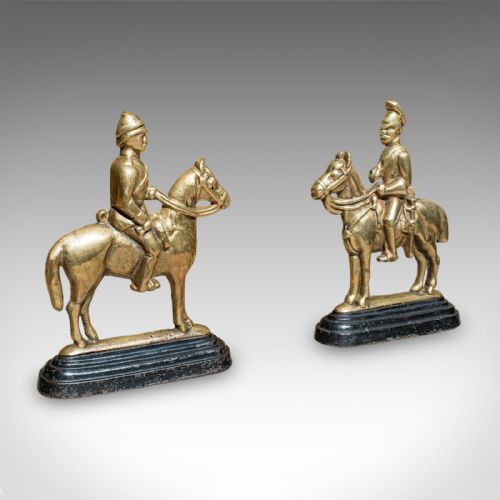
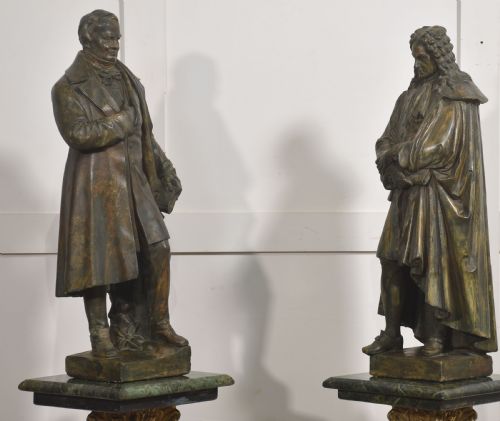
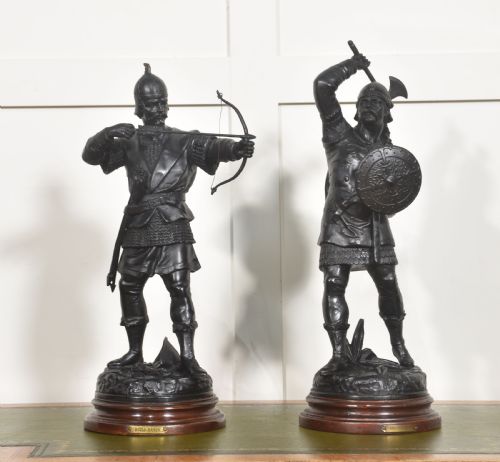
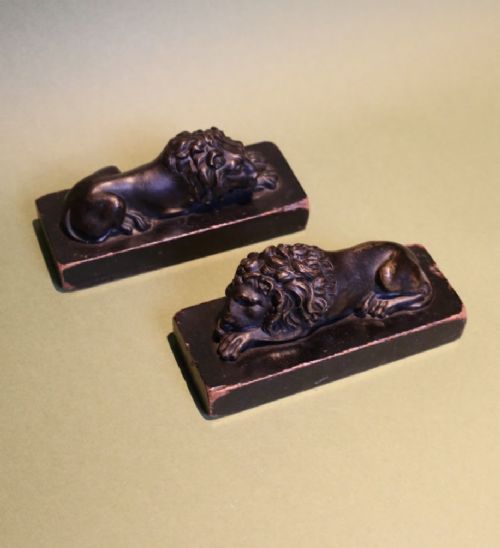
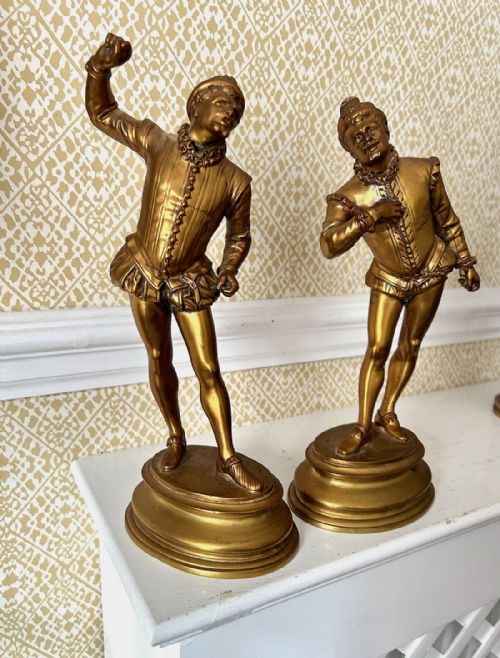
An antique bronze figurine pair consists of matching sculptural works produced in bronze or related metal alloys, designed to sit together on a surface. These dual pieces often depict figures, animals, or mythological subjects intended to create symmetrical visual interest in a room.
The selections available here span from nineteenth-century Grand Tour souvenirs and French allegorical groups to twentieth-century Art Deco animal studies and cold-painted Austrian birds. Makers frequently drew inspiration from classical antiquity, literary figures, and natural history to satisfy period tastes for decorative matching sets.
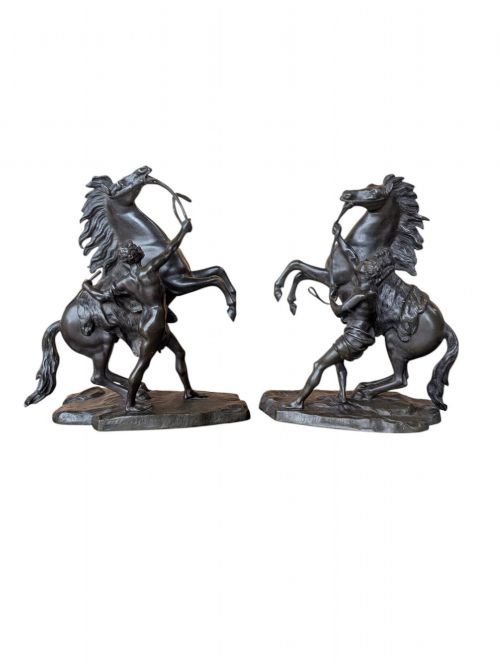
Buyers seeking an antique bronze figurine pair encounter works reflecting distinct regional schools, notably French foundry traditions and Austrian cold-painted workshops. These dual sculptures served variously as decorative garnitures, bookends, or mantel ornaments within period interiors.
Materials and production methods
Foundries primarily utilised the lost-wax casting method or sand casting to shape bronze, allowing intricate details on figures, drapery, and animal forms. Completed casts received various surface treatments, including chemical patination, fire gilding, or cold-painted polychrome finishes applied over metallic primers.
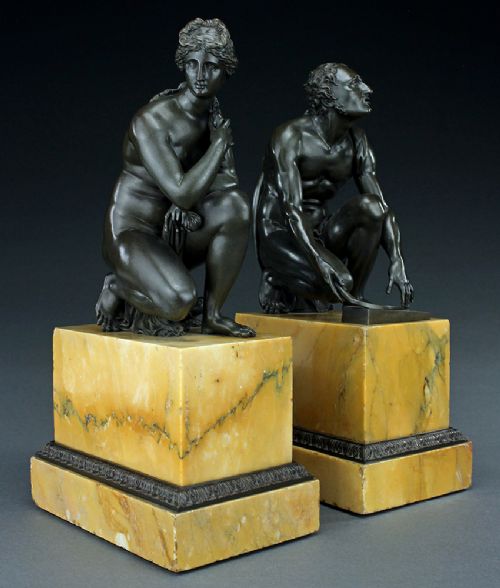
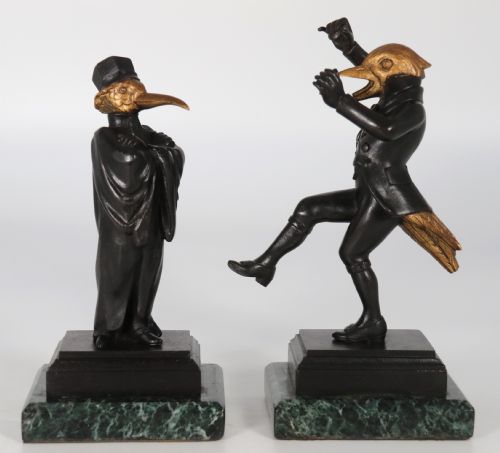
Many dual figures incorporate additional materials such as Siena marble bases, ivory elements, or wooden mounts to elevate the sculptures. Spelter also appears as a more economical alternative metal base in several period works, finished with bronze-effect paint or patination.
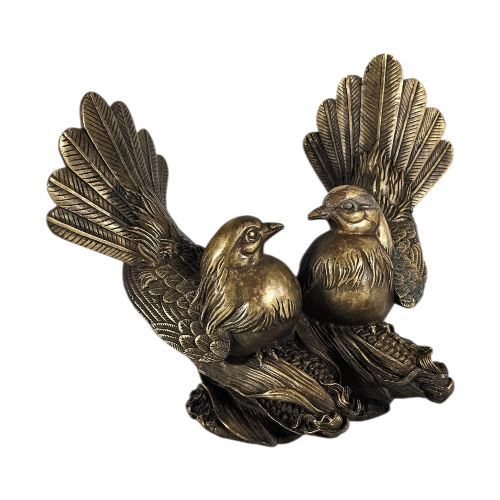
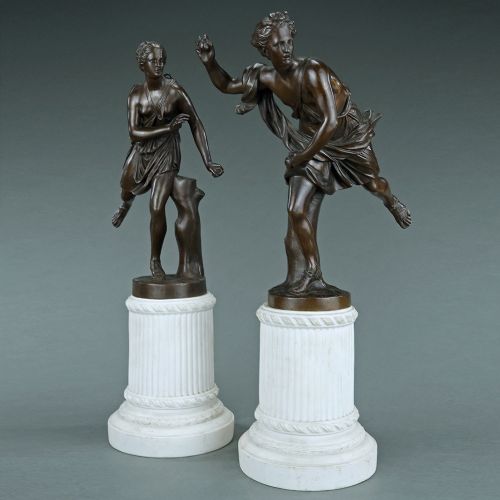
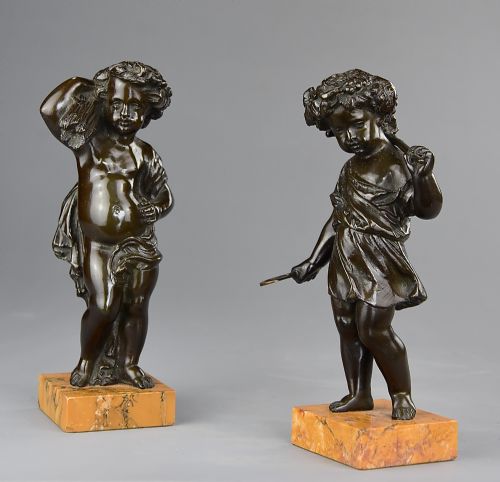
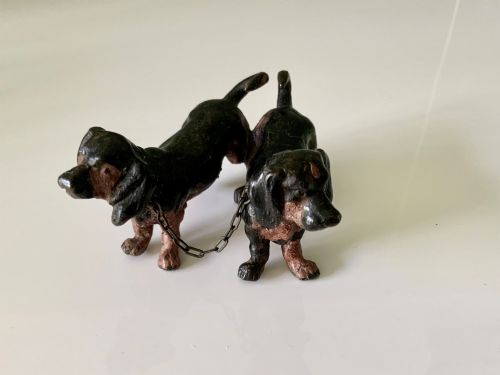
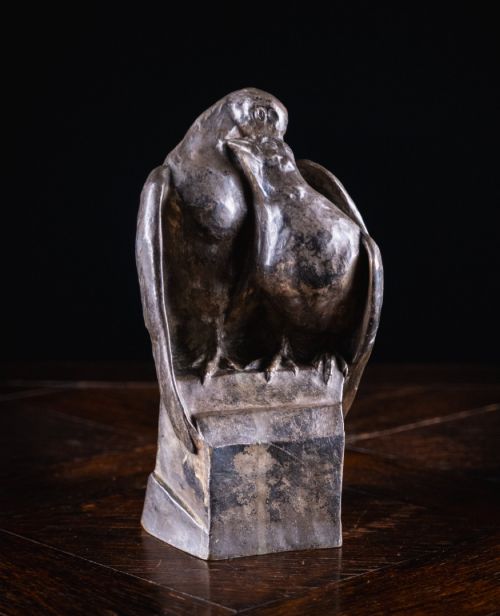
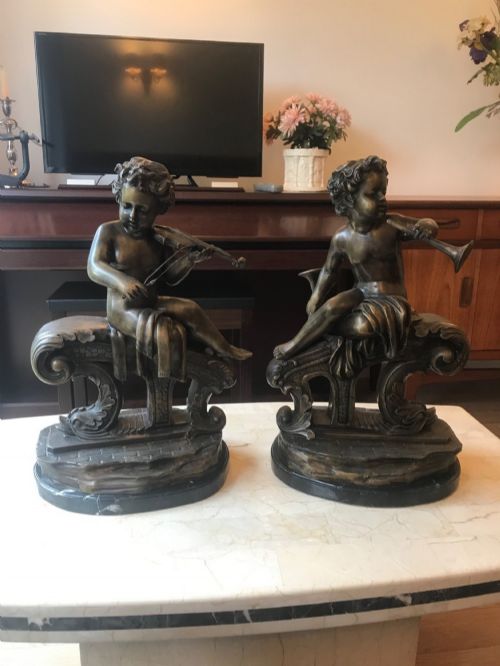
The inventory records diverse sculptural subjects, including putti, classical athletes, theatrical birds, and domestic dogs inspired by Grand Tour and Art Deco aesthetics.
Distinctions in execution and finish
Quality in a dual bronze sculpture depends heavily on the crispness of the chasing and the subtlety of the surface patination. Finer examples retain sharp facial expressions, clear textural details in hair and clothing, and careful hand-finishing that hides assembly seams.
The integrity of the matching pair also dictates desirability, as authentic matched sets display identical foundry marks, uniform wear, and consistent base materials. Superior pieces often incorporate high-grade stone plinths and signatures from recognised sculptors or established foundries.
Barbedienne·P. J. Mene·Fabergé·Karl Hagenauer·Ernest Rancoulet
The Antique Bronze Figurine Pair Glossary
- Patination
- The chemical or natural surface coloration applied to bronze over time. This treatment enhances depth and protects the metal from oxidation.
- Cold-painted
- A technique where oil paint is applied to an unheated bronze base, common in Austrian animal and avian figures. The paint often shows characteristic craquelure with age.
- Grand Tour
- A nineteenth-century cultural journey through Europe undertaken by the wealthy, collecting miniature bronzes of classical statues as souvenirs. These pieces typically depict ancient sculpture or architectural subjects.
- Spelter
- A zinc alloy frequently used as a substitute for bronze in nineteenth-century decorative figures. It is softer than bronze and generally lighter in weight.
- Lost-wax casting
- A traditional method of metal casting where a wax model is melted out of a mould and replaced with molten bronze. This process permits exceptional sculptural detail.
Antique Bronze Figurine Pair: Frequently Asked Questions
Were these pairs originally made as bookends?
Some dual figures were purpose-built with weighted bases or reinforced structures to function as book supports in Victorian libraries. Many others started as garniture sets, mantel ornaments, or cabinet sculptures.
Examine the base construction and weight distribution to determine whether a pair was designed to bear the weight of books. Decorative figures without flat backstops generally served as standalone sculptural displays.
How can I tell bronze from spelter?
Bronze feels notably heavier, rings with a clearer tone when lightly tapped, and demonstrates superior tensile strength in thin areas like limbs or weapons. Spelter is softer, more brittle, and often reveals a grey or silvery metal beneath worn patches of paint.
Inspect the underside of the base where the casting metal remains exposed and unpatinated. Magnetic tests can also help, as neither material is strongly magnetic, but bronze patination patters differ significantly from painted spelter.
What does cold-painted mean?
Cold-painting refers to a decorative technique where polychrome paint is applied to bronze figures without subsequent kiln firing. This method allowed makers to achieve vibrant, lifelike colours on birds, animals, and human subjects.
Over decades, this unbaked paint develops natural flaking and fine surface craquelure that helps confirm period authenticity. Intact cold-painted surfaces significantly enhance the desirability of nineteenth and early twentieth-century Austrian pieces.