

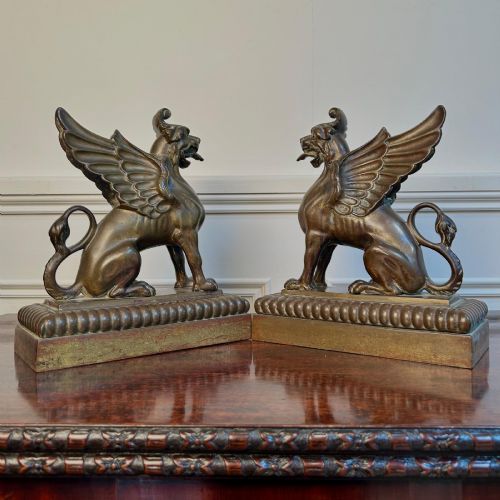
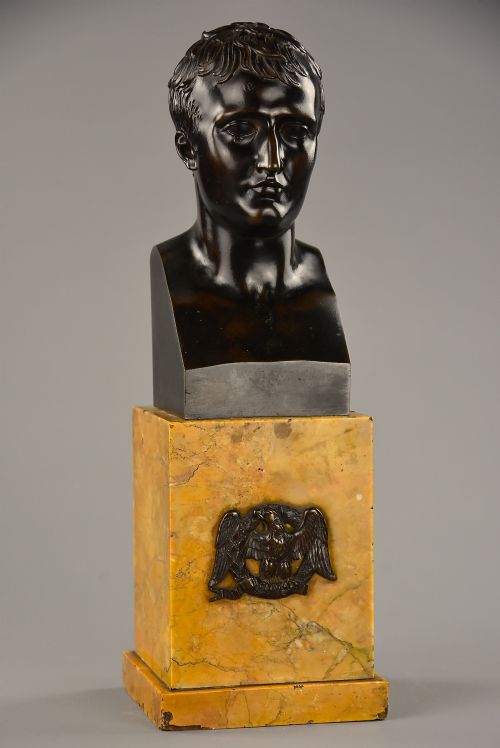


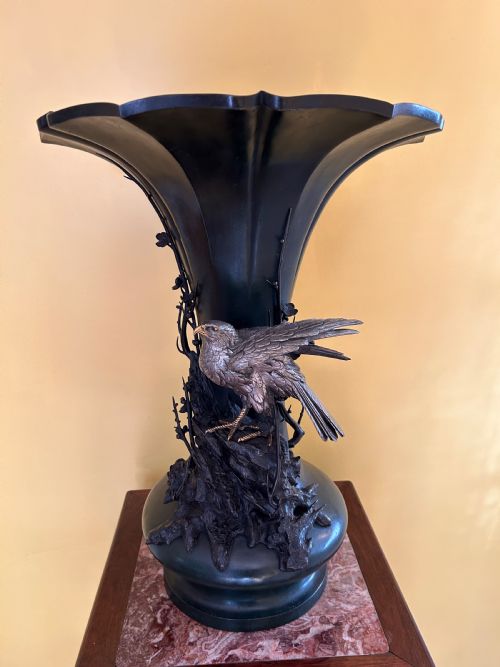


Antique Bronze Eagle
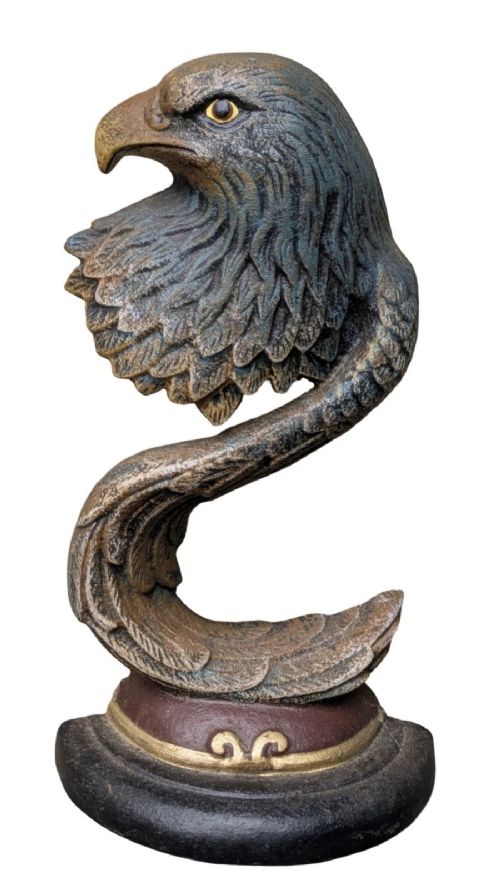
These antique bronze eagle figures combine fierce naturalism and grand decorative weight, offering a striking focal point for a period interior.
Antique Bronze Eagle
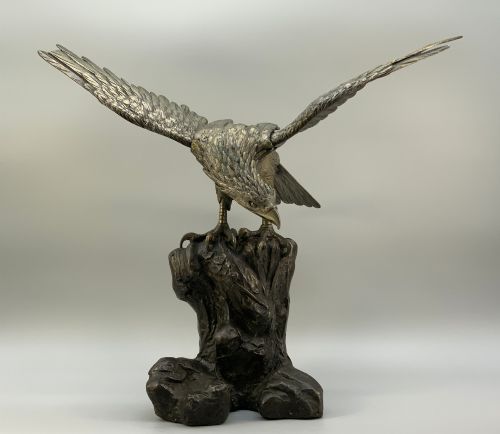
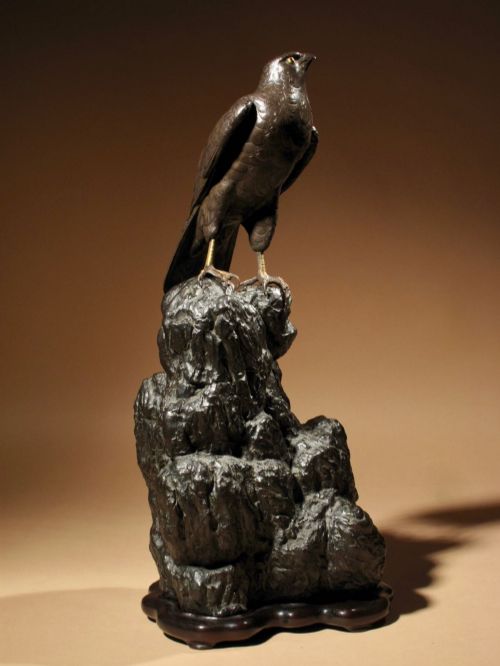
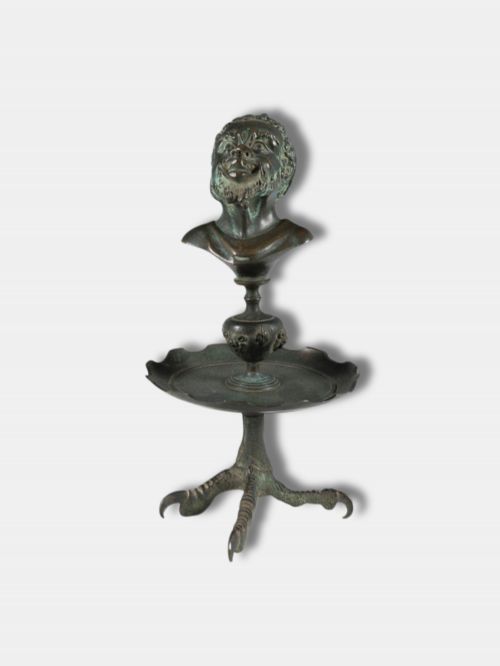
An antique bronze eagle brings together majestic avian subjects and classical sculptural forms, spanning nineteenth-century European ateliers and Japanese Meiji period workshops. The pieces seen here encompass patinated and gilt sculptures, mounted clock ornaments, and detailed okimono figures on root wood bases.
European examples often channel French Empire grandeur or nineteenth-century animalier traditions, depicting powerful birds in repose or dramatic prey scenes. Japanese interpretations from the Meiji period focus on acute anatomical precision, utilising mixed metals and silvered finishes to render hawks and eagles with lifelike intensity.
Materials and methods
The objects are cast in bronze, frequently enhanced with ormolu, gilt bronze, or dark patinated surfaces that define the plumage and musculature. Foundries utilised lost-wax casting or sand casting methods to achieve fine detail before hand-chasing the metal.
Many sculptures incorporate mixed media such as marble bases, alabaster, cut glass, or carved root wood supports. Surface treatments range from fire-gilding to silvering, creating varied textural contrasts across the feathers and talons.
Antique Bronze Eagle Retail Price Guide 2026
Typical asking prices for bronze eagle among the pieces listed under this phrase on Sellingantiques today, from the lower quarter to the upper quarter. They describe what is for sale here now, not the wider market.
An eagle caught mid-feast on a heron demonstrates that nineteenth-century sculptors preferred their birds with a healthy appetite.
Judging quality and execution
Quality rests entirely in the crispness of the chase work and the anatomical fidelity of the casting. Superior examples retain sharp feather delineation and realistic tension in the talons, whereas weaker pieces show softened details from worn moulds.
The artistry of the signature and the reputation of the founder elevate certain pieces significantly. Foundries and sculptors who mastered natural movement produced works with far greater presence than anonymous commercial productions.
Antoine Louis Barye·Barbedienne·Christophe Fratin·Gyoko·A. Marionnet
The Antique Bronze Eagle Glossary
- Patinated bronze
- Bronze that has been chemically treated to alter its surface colour, usually producing rich brown, green, or near-black tones. This layer protects the metal and accentuates sculptural contours.
- Ormolu
- Finely ground high-carat gold applied to a bronze base using a mercury amalgam technique, common in French Empire decorative arts. It provides a brilliant, durable golden finish.
- Okimono
- A Japanese freestanding ornamental carving or sculpture designed for display on a shelf or in a tokonoma alcove. These pieces are celebrated for their meticulous realism.
- Animalier
- A nineteenth-century artistic movement dedicated to the realistic portrayal of animals, particularly predators in action. Practitioners captured anatomical stress and raw behaviour with intense accuracy.
Antique Bronze Eagle: Frequently Asked Questions
How do I identify a Meiji period bronze eagle?
Meiji period eagles typically display extreme naturalism in the feather texturing and often rest on natural root wood bases. Many carry artist signatures or seals associated with Japanese metalwork traditions.
European bronzes of a similar date tend to follow classical or animalier stylistic conventions rather than traditional Japanese sculptural formats.
Where should I display a bronze eagle sculpture?
These sculptures require a sturdy surface such as a heavy timber console table, a mantelpiece, or a dedicated pedestal. Because many feature intricate details and delicate talons, placement away from high-traffic walkways is recommended.
Pairing them with period furniture like Regency or French Empire pieces enhances their architectural character.
How do I care for antique bronze?
Dust the surface gently with a soft, dry brush to prevent particulate buildup in the crevices of the feathers. Avoid using liquid polishes or chemical cleaners that can strip the original patination or gilt.
Stable indoor humidity levels help protect any integrated elements like marble bases or root wood mounts.