

Antique Bronze Decor
Antique bronze decor comprises functional objects and sculptures cast in metal, bringing weight and historic character to domestic interiors.
Antique Bronze Decor
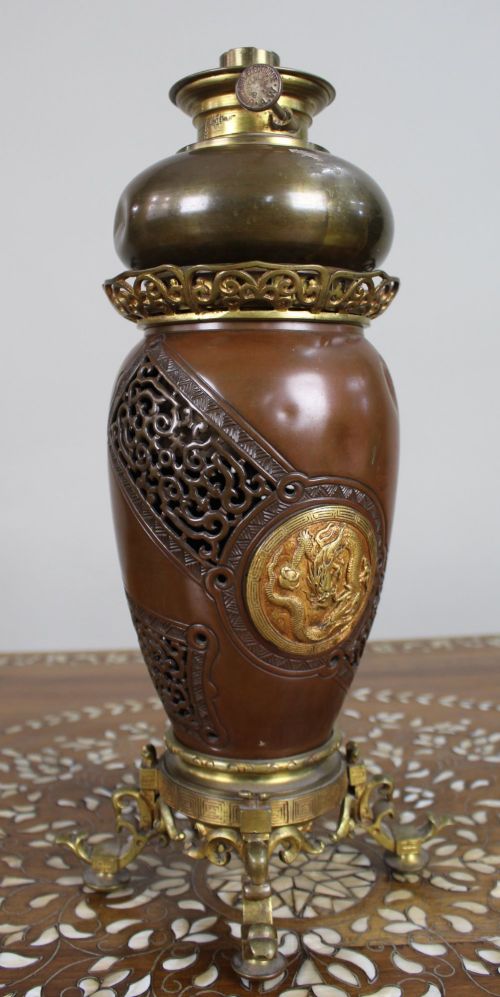
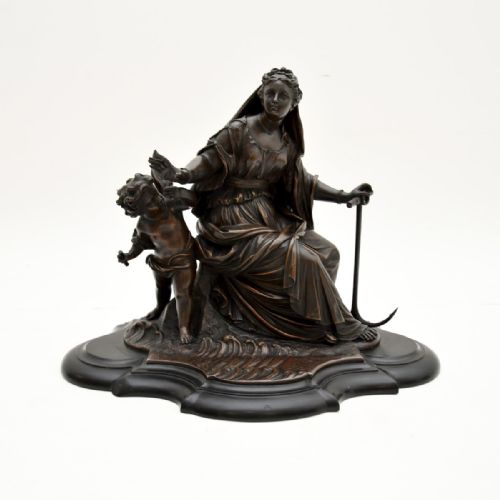
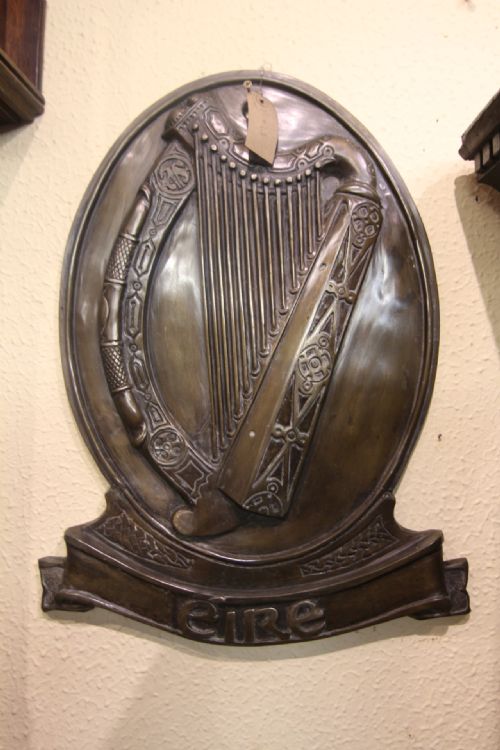
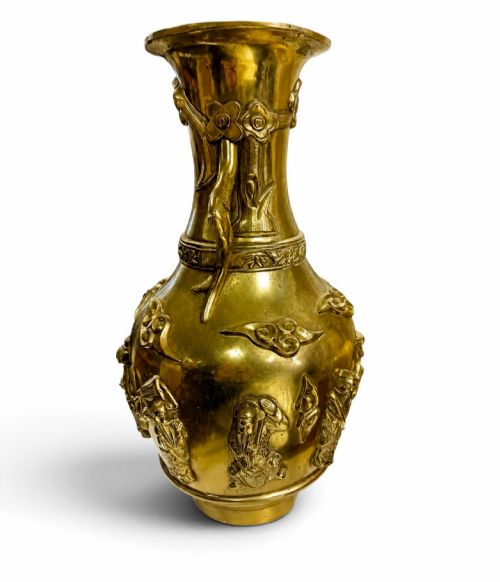
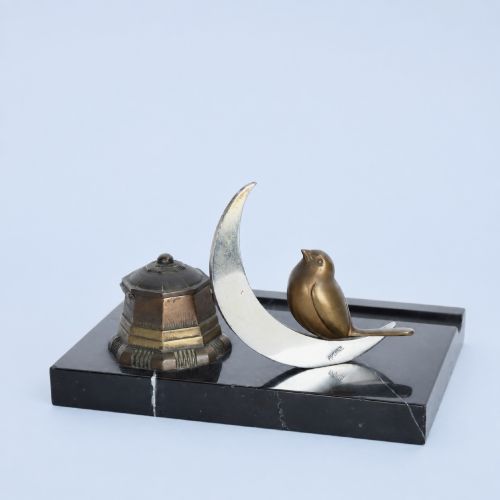
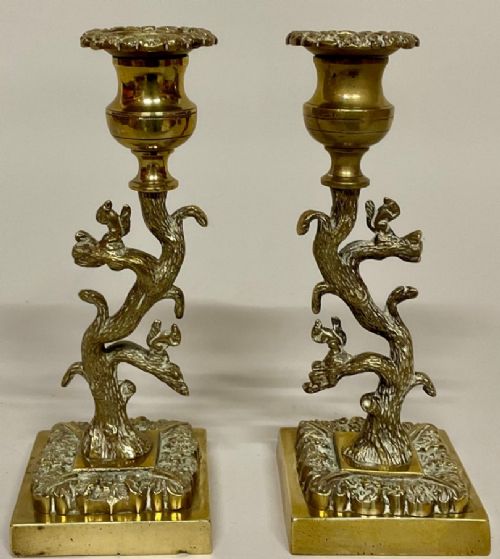
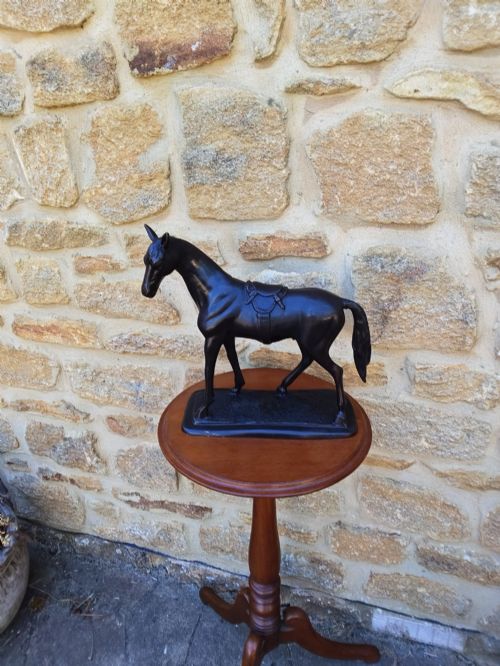
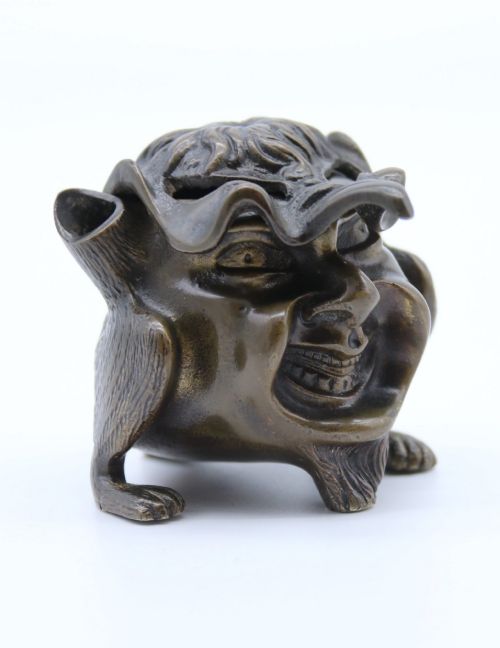
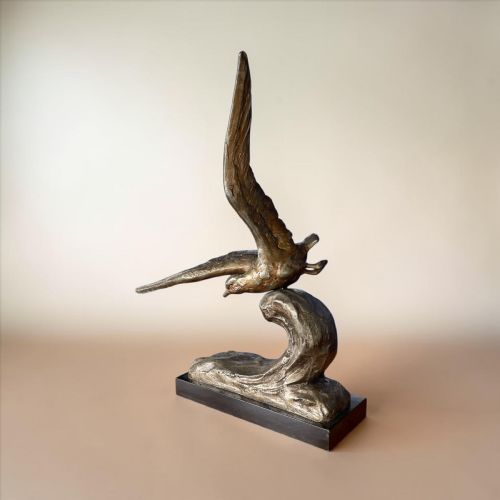
Antique bronze decor encompasses a diverse assortment of objects designed to ornament domestic and public spaces, ranging from utilitarian items to purely aesthetic figures. When exploring antique bronze decor, collectors encounter varied forms such as candlesticks, desk tidies, inkwells, bookends, fireplace accessories, and monumental sculptures. These pieces bridge the gap between practical utility and artistic expression, reflecting the tastes of past interiors.
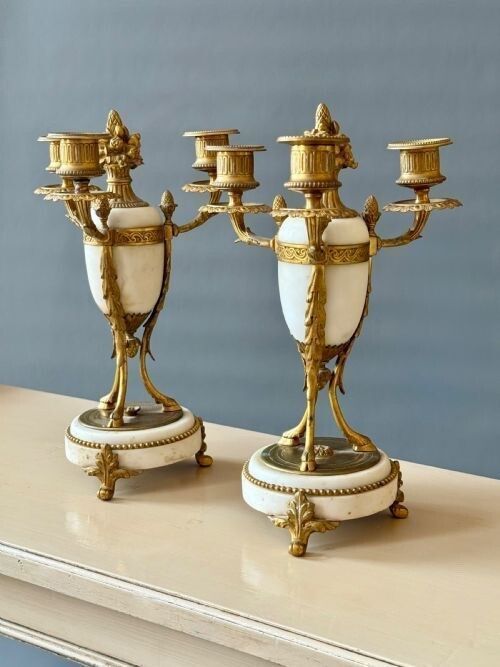
The selection on this page demonstrates strong representation from the nineteenth and early twentieth centuries, spanning periods from the Regency era through to Art Deco. Items frequently incorporate stylistic revivals, including Egyptian Revival, French Empire, and Neoclassical motifs, alongside Orientalist and animalier subjects. Buyers frequently meet decorative pairs designed for mantelpieces or side tables, as well as standalone animal and human figures.
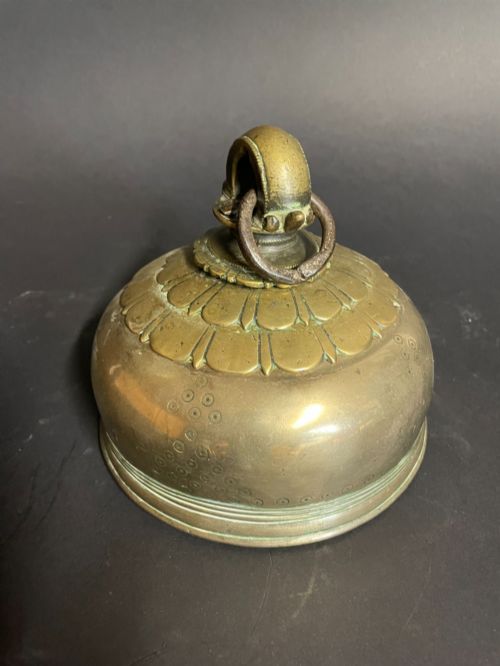
Origins vary widely across Europe and Asia, featuring French foundry work, English Regency craftsmanship, and Asian metalwork traditions including Chinese and Sino-Tibetan pieces. Materials often extend beyond pure metal to combine bronze with white marble, onyx, carrara marble, or porcelain elements. This variety ensures that antique bronze decor suits both period room settings and contemporary minimalist interiors looking for grounding focal points.
Materials and casting methods
The physical construction of antique bronze decor relies heavily on metal alloys, primarily copper combined with tin or other trace elements, alongside alternative metals like brass and spelter. Makers employed traditional casting techniques to achieve high levels of detail, whether producing smooth figurative contours or intricate high-relief patterns. Surfaces were frequently finished through patination, cold-painting, or the application of gilt bronze and ormolu.
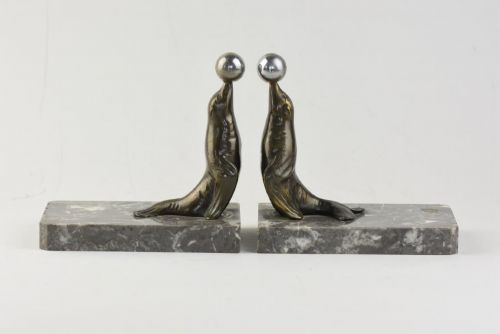
Many items in the evidence integrate stone or ceramic components to provide structural stability and visual contrast to the metalwork. Marble pedestals, slate bases, and onyx plinths frequently support bronze sculptures, candlesticks, and bookends. This combination of heavy metal casting with carved mineral bases demonstrates the sophisticated multi-material assembly typical of the period.
Antique Bronze Decor Retail Price Guide 2026
Typical asking prices for bronze decor among the pieces listed under this phrase on Sellingantiques today, from the lower quarter to the upper quarter. They describe what is for sale here now, not the wider market.
Materials in this category extend beyond pure metal to incorporate white marble, onyx, carrara marble, olive wood, and porcelain.
Assessing quality in metalwork
The integrity of the surface finish also dictates the standing of a piece within the range. High-grade items show carefully controlled patination, meticulous cold-painting, or uniform gilding that has aged naturally over time. In composite objects, the precise fitting of bronze elements to marble, onyx, or wood bases indicates superior craftsmanship.
Poix Blin·E F Caldwell New York·Franz Xaver Bergman·Franz Bergman·Pierre Lenordez
The Antique Bronze Decor Glossary
- Ormolu
- Gilded bronze produced by applying a mercury and gold amalgam to the metal surface before heating. This technique creates a durable, rich golden finish characteristic of luxury decorative objects.
- Patinated bronze
- Metal that has been treated with chemical solutions to produce a controlled surface colour or dark brown coating. This process protects the underlying alloy and enhances the visual depth of figurative details.
- Spelter
- A zinc-based alloy frequently used as a cheaper alternative to bronze for sculptural figures and candlesticks. It is significantly lighter and softer than true bronze.
- Chenet
- An ornamental iron or bronze fire dog placed at the front of a fireplace to support logs. Pairs of chenets often feature elaborate sculptural motifs matching the surrounding room decor.
- Applique
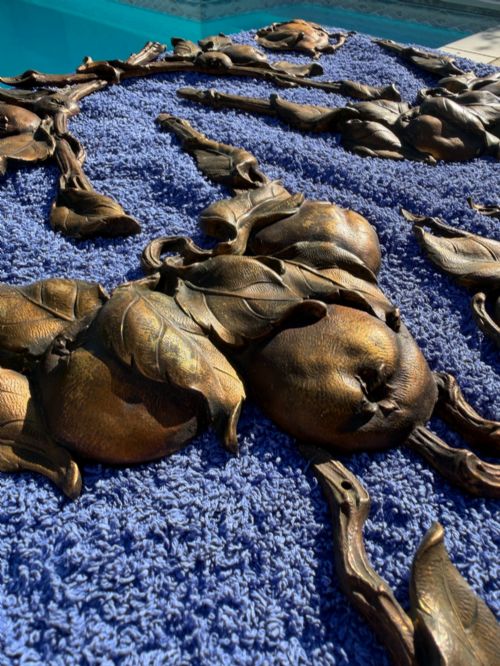
- A decorative metal mount fixed to the surface of furniture, walls, or wooden panels. These ornaments are typically cast in relief and gilded or patinated.
Antique Bronze Decor: Frequently Asked Questions
What is the difference between bronze and spelter?
Bronze is a heavy alloy composed mainly of copper and tin, prized for its durability and capacity to hold fine casting detail. Spelter is a softer, zinc-based substitute that is noticeably lighter in weight.
Collectors can often distinguish the two by examining the underside or areas of wear, where spelter may reveal a grey metal beneath the finish. Bronze also possesses a resonant sound when struck lightly, whereas spelter sounds duller.
How do I clean antique bronze decor?
Cleaning antique bronze requires a gentle approach to preserve the historic surface patination and any original gilding. Dusting with a soft, dry cloth is usually sufficient for routine maintenance.
Harsh chemical polishes or abrasive cloths should be avoided because they strip away the aged patina that gives these pieces their character. Professional advice should be sought if deep cleaning or conservation is necessary.
What does cold-painted bronze mean?
Cold-painted bronze refers to metal figures that have been painted with natural pigments or oil paints after the casting process, without being fired in a kiln. This technique was popular in Viennese workshops for creating brightly coloured animal and human figures.
Because the paint is merely applied to the cold surface rather than fused by heat, it is susceptible to flaking. Surviving pieces with intact cold-painting are particularly valued by collectors for their colour.
How do I identify the period of a bronze piece?
Identifying the period involves looking at stylistic clues, casting techniques, and the materials used for secondary supports like marble bases. Revivals of Egyptian, Greek, or Rococo styles often recur across the nineteenth and twentieth centuries.
Signatures, foundry marks, and registration numbers stamped into the metal can also help narrow down the date of production. Comparing the subject matter to known historical art movements provides additional context.