

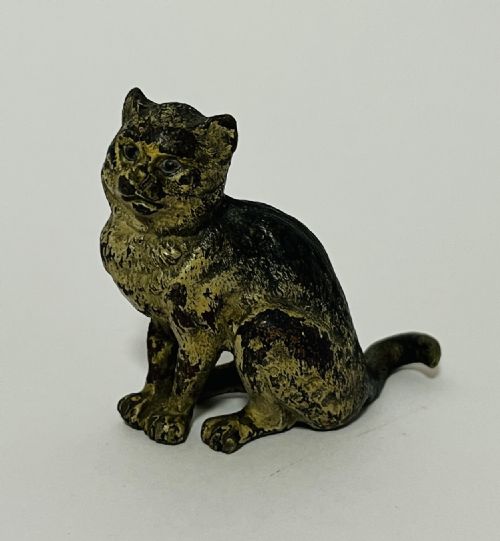


Antique Bronze Cat Statue
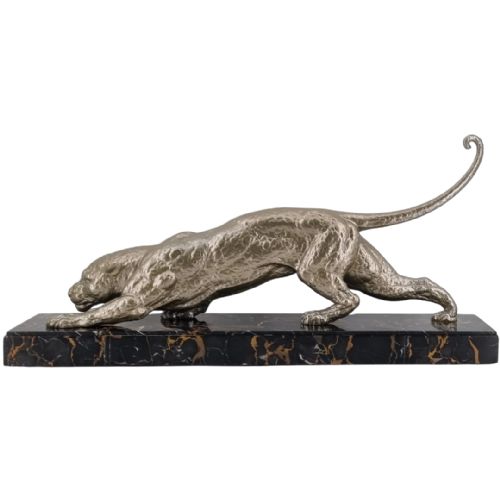
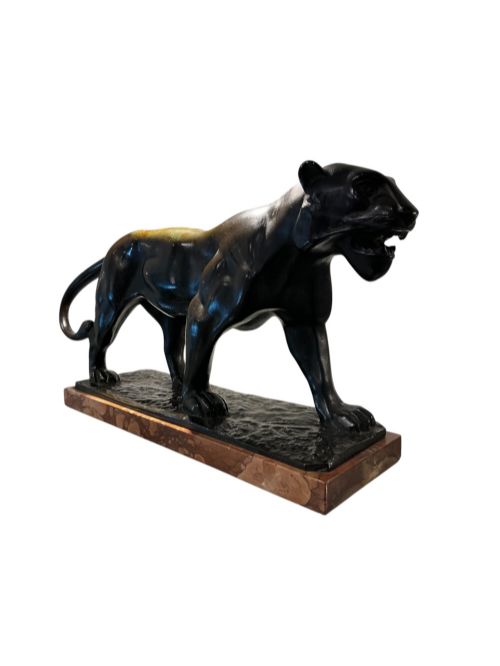
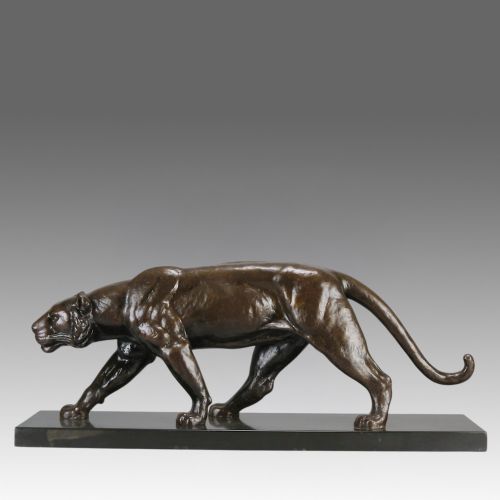
An antique bronze cat statue brings home the tense grace of the big cat, cast in metal and set upon stone.
Antique Bronze Cat Statue
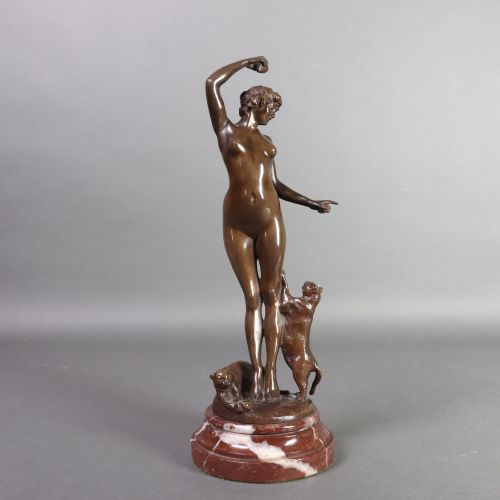
When you search for an antique bronze cat statue, you encounter domestic felines alongside prowling panthers, tigers, jaguars, and lions. These sculptures span the nineteenth century into the Art Deco period, capturing animals in stillness or motion.
French Animalier bronzes and Austrian cold-painted pieces dominate this selection, frequently mounted upon heavy marble or onyx bases. Many works depict big cats alone or locked in combat, while others portray children with cats.
Sculptures from this tradition range from diminutive cabinet figurines to large library pieces. The domestic cat appears rarely, as sculptors favoured the dramatic lines of the panther, tiger, and lion.
Materials and Casting Methods
Foundries utilised the lost-wax casting method to capture the muscle and fur of each animal in bronze, though spelter appears as an alternative metal in some Art Deco pieces. Patination creates dark brown or black surfaces, while cold-painted works receive delicate layers of polychrome pigment by hand.
Many sculptures incorporate polished black or veined marble, onyx, and slate as integral bases. These heavy stone plinths ground the composition and balance the weight of the metal cast.
Antique Bronze Cat Statue Retail Price Guide 2026
Typical asking prices for bronze cat statue among the pieces listed under this phrase on Sellingantiques today, from the lower quarter to the upper quarter. They describe what is for sale here now, not the wider market.
Listings feature periods spanning from the nineteenth century through the 1940s, with a strong representation of Art Deco works.
Distinctions in Quality
The sophistication of the patination or the precision of the cold-painted surface dictates the visual depth of the sculpture. Furthermore, the integration of the metal figure with its marble or onyx base distinguishes standard production pieces from masterworks.
Alexandre Ouline·G. Gardet·Michel Decoux·Clovis Masson·Georges Gardet·Louis Riche·Barbedienne·E. Drouot
The Antique Bronze Cat Statue Glossary
- Animalier
- A nineteenth-century artistic movement dedicated to the realistic depiction of animals. Sculptors in this tradition studied anatomy closely at menageries.
- Cold Painted
- A technique where polychrome paint is applied to bronze without heat, often associated with Viennese workshops. The paint sits on the metal surface rather than fusing with it.
- Patination
- The chemical treatment applied to the bronze surface to alter its colour and tone. This process protects the metal while creating rich brown, black, or green hues.
- Spelter
- A zinc alloy commonly utilised as a less costly alternative to bronze, particularly during the Art Deco period. It takes patination and paint well but is softer than bronze.
Antique Bronze Cat Statue: Frequently Asked Questions
How do I clean bronze?
Dust the sculpture gently with a soft, dry brush to remove particles. Avoid water, soap, and commercial metal polishes, which strip the patination.
Apply a very thin coat of microcrystalline wax if the surface appears dry. Buff lightly with a clean cloth to restore the subtle lustre.
Where should I display my sculpture?
Place the piece on a stable surface away from direct sunlight and excessive humidity. Heavy marble bases require firm support on a desk, shelf, or cabinet.
Keep bronze sculptures clear of heat sources to protect both the metal patination and the stone base from thermal shock.
How do I date a bronze?
Examine the style of the base, the casting seams, and the patination. Art Deco pieces from the 1920s and 1930s often feature stepped geometric marble plinths.
Nineteenth-century Animalier bronzes typically display naturalistic casting signatures and deeper, darker patinas. Foundry marks provide further clues to the period of production.
What is the difference between bronze and spelter?
Bronze is a copper alloy prized for its strength, weight, and ability to hold fine detail during casting. Spelter is a softer zinc alloy that feels lighter and was used as an economical alternative.
Inspect the underside or areas of wear to see the base metal colour. Spelter often shows a greyish metal beneath chips in the paint or patina.