


Antique British Pistols
Antique british pistols carry the weight of centuries, offering collectors tactile pieces of military and civil history.
Antique British Pistols
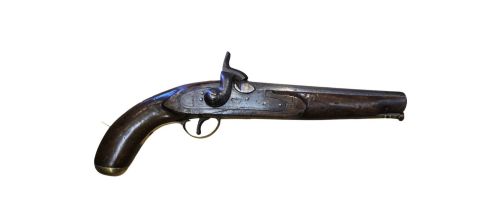
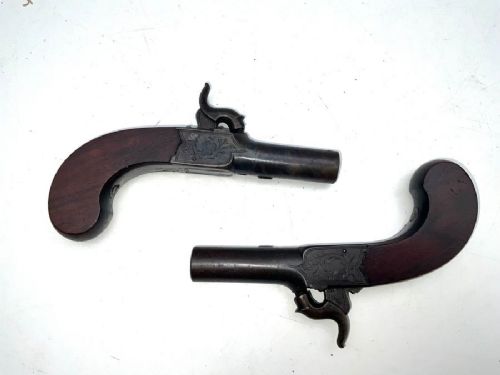
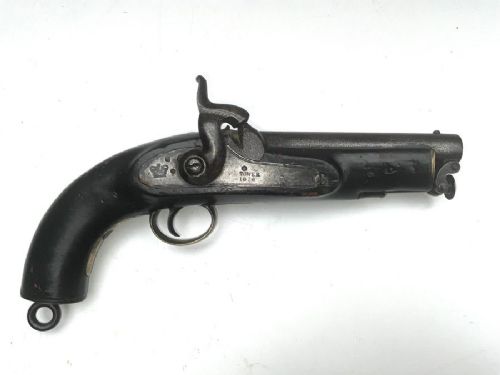
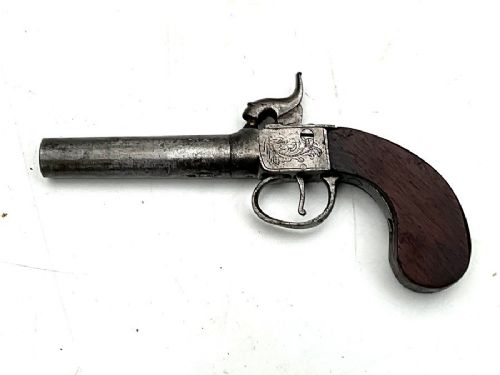
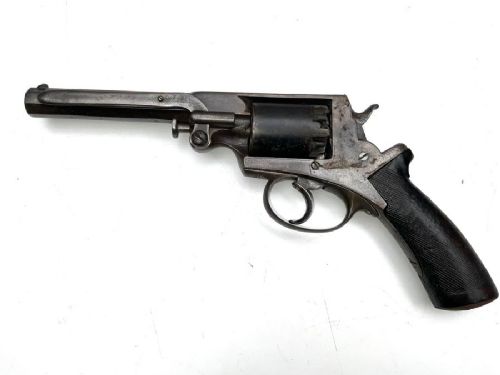
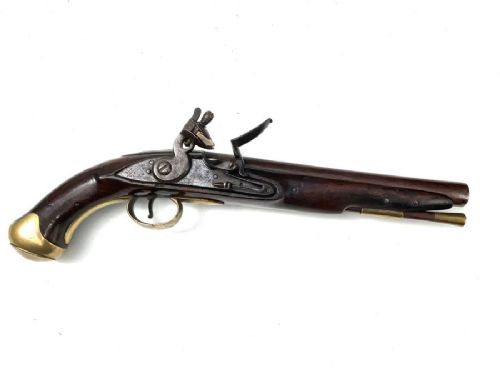
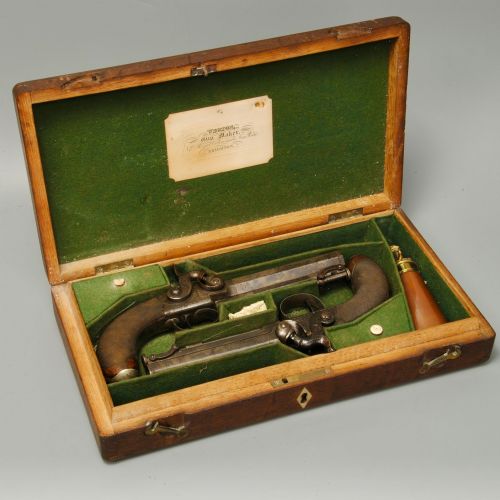
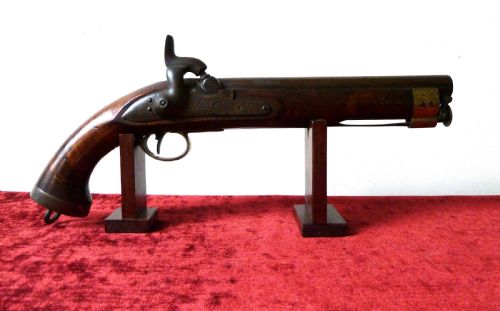
When you search for antique british pistols, you encounter a specialised selection spanning the Georgian and Victorian eras, including military service arms and civilian pocket weapons. The examples met on this page range from heavy cavalry flintlocks to percussion revolvers and duelling pieces.
Makers stamp many of these pieces with London proofs or government inspection marks, connecting them directly to historical ordnance. Civilian designs such as overcoat pistols and pocket arms complement the military holster and dragoon service firearms.
How they were made
Gunsmiths shaped stocks from dense walnut or other wood, pairing them with metal components in steel, iron and brass. Furniture and fittings often featured brass mountings, while percussion and flintlock mechanisms relied on precise metalwork.
Barrels varied from smoothbore to large-bore configurations, constructed in steel or brass, and frequently stamped with maker names or Tower markings.
Inspectors of mail coaches needed reliable overcoat pistols to deter highwaymen on dark Georgian roads.
What varies in quality
Quality separates standard service issue from fine civilian or officer commissions through the crispness of engraving, the selection of wood, and the refinement of the lock mechanism. Maker signatures such as Mortimer or Nock denote superior workshop standards.
The integration of brass furniture with walnut stocks and the preservation of original proof marks distinguish higher grade examples from heavily worn service arms.
Harrison of London·Mortimer·T. Potts·Henry Nock·Deane, Adams and Deane·Brasher·Dutton·Wilson
The Antique British Pistols Glossary
- Flintlock
- An ignition mechanism where a flint strikes a steel frizzen to create sparks that ignite the priming powder. This system dominated military and civilian firearms before percussion caps took over.
- Percussion
- A later ignition system utilising a small cap struck by the hammer to detonate the powder charge. It replaced flintlocks during the nineteenth century for improved reliability in damp weather.
- Smoothbore
- A barrel lacking internal rifling, firing round lead balls at close range. Most service pistols and dragoon pieces used this bore type.
- Tower
- A designation referring to the Ordnance Board at the Tower of London, which stamped official government arms. Many service pistols bear this mark alongside royal cyphers.
Antique British Pistols: Frequently Asked Questions
How do I care for an antique pistol?
Keep the metal components lightly oiled and store the pieces in a dry environment away from direct sunlight. Baize-lined boxes provide a suitable resting place for sensitive mechanisms.
Avoid using modern cleaning compounds on historic wood or metal surfaces to preserve original patination and markings.
Were these pistols used in combat?
Many examples served active military roles, ranging from dragoon service pistols in the eighteenth century to cavalry and belt pistols in the Victorian era. Government stamps and Tower markings indicate official military issue.
Civilian pieces such as pocket pistols and overcoat models served travellers and officers for personal defence.
What is the difference between flintlock and percussion?
Flintlock pistols rely on a flint and steel frizzen to generate a spark for ignition. They require loose gunpowder in a pan alongside the main charge.
Percussion pistols use a hammer striking a small cap placed on a nipple, providing a faster and more reliable ignition method introduced in the nineteenth century.
How do I identify a London maker?
Makers inscribed their names directly onto the lock plates or barrels, often accompanied by London proof marks. Workshops in the capital produced high-grade duelling and officer pieces.
Government contractors also stamped specific ordnance acceptance marks alongside the maker signatures.