



Antique British Painting
Discovering an antique british painting connects you directly to centuries of domestic landscapes, coastal shipping, and portraiture.
Antique British Painting
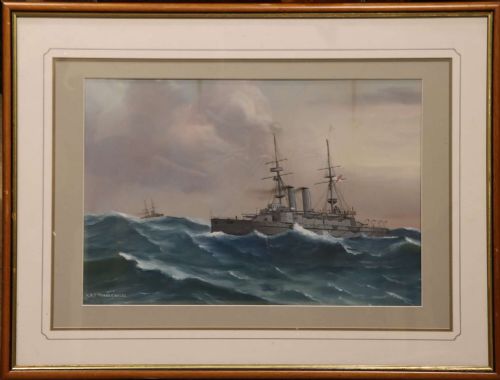
When exploring antique british painting, you encounter a rich variety of works spanning from the seventeenth century through to the early twentieth century. The selection ranges widely across traditional genres, capturing the changing moods of the British countryside, maritime scenes, and formal portraits.
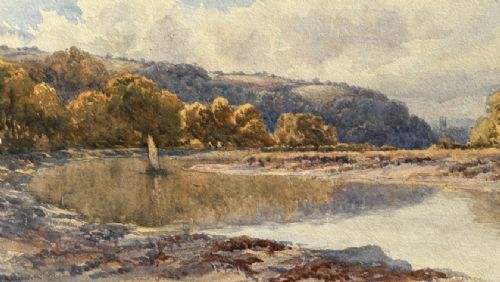
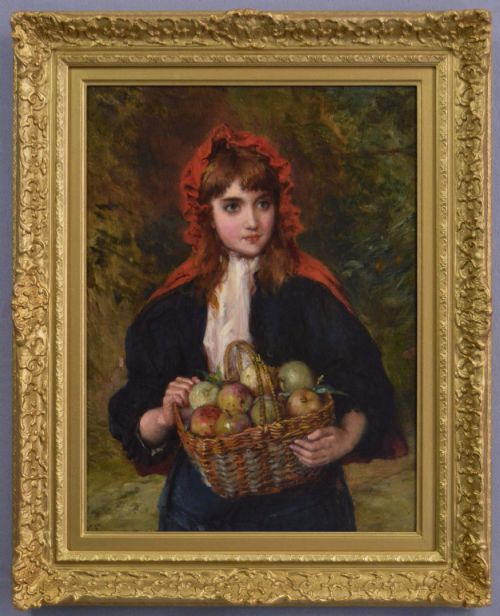
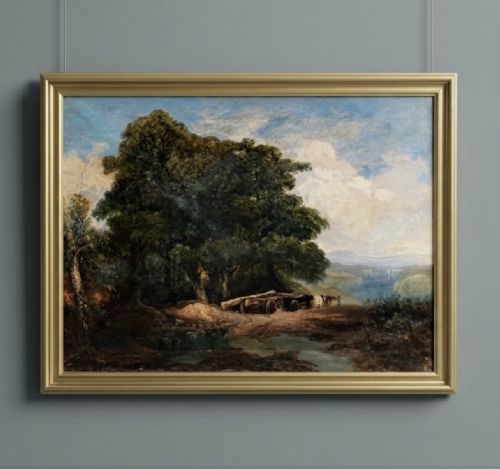
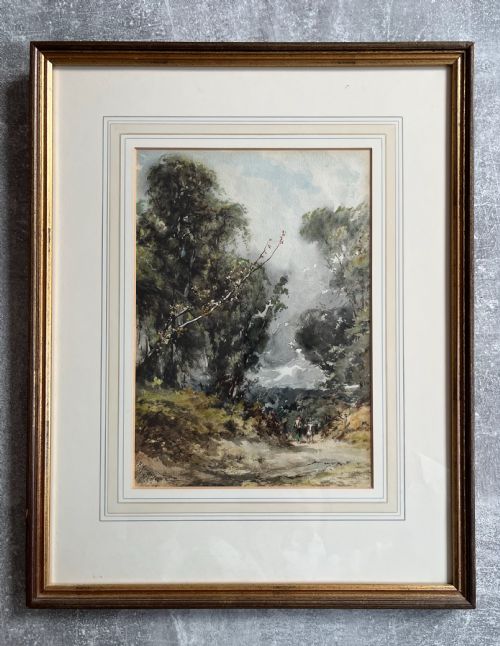
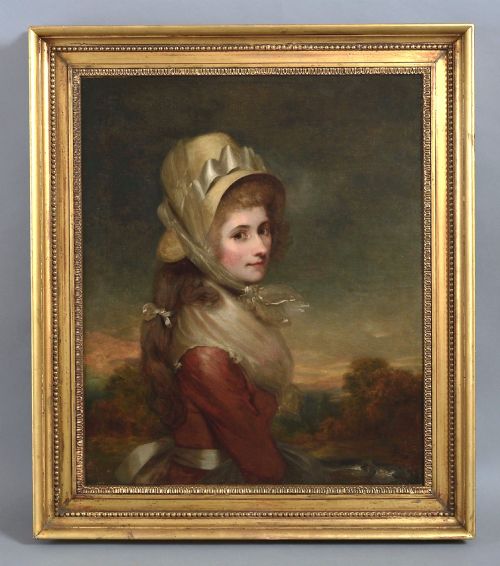
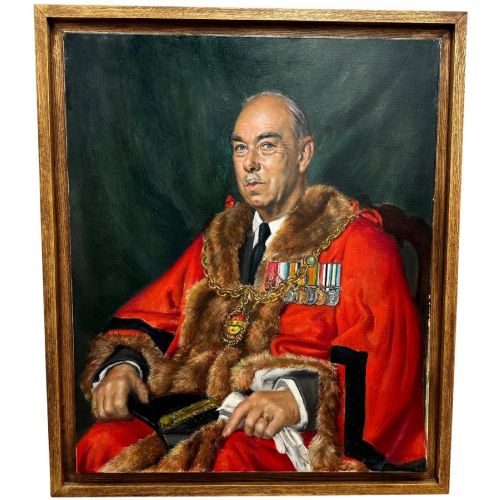
Landscapes and coastal views dominate the selection, often featuring rivers, harbours, and rural livestock executed in delicate watercolor or robust oil paint. Portraiture also forms a substantial part of the range, offering intimate glimpses of subjects from different eras rendered with notable skill.
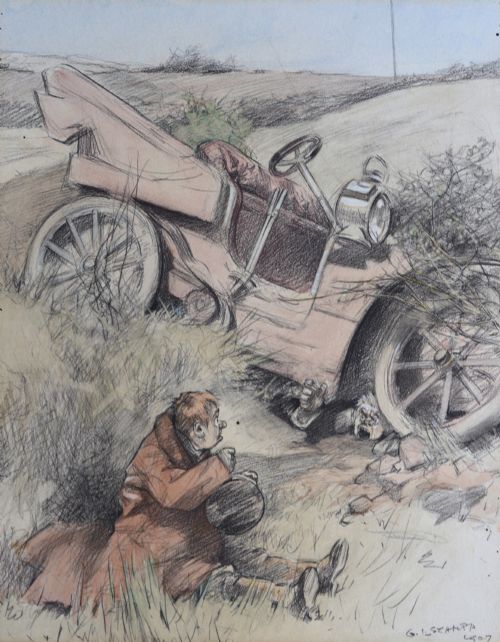
Most pieces date from the nineteenth and early twentieth centuries, reflecting the strong traditions of Victorian and Edwardian fine art. These works provide a tangible link to historical artistic practices and regional British schools of painting.
How They Were Made
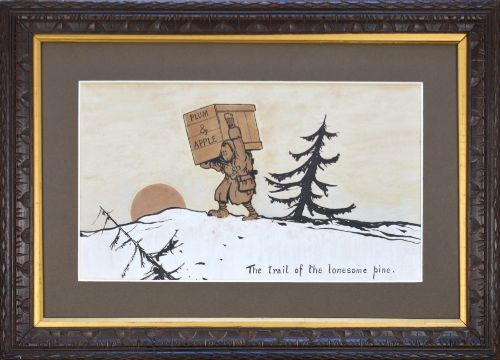
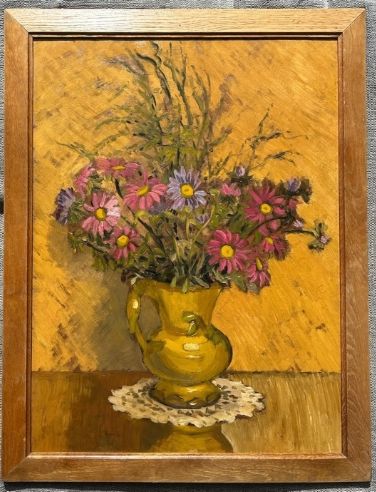
Artists created these works utilising oil paint on canvas, wood panel, or board, building up rich textures and deep tones. Watercolours and gouache on paper were equally common, offering translucent washes and fine illustrative detail favoured by top landscape painters.
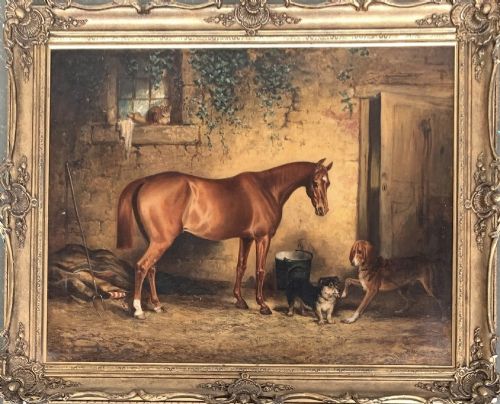
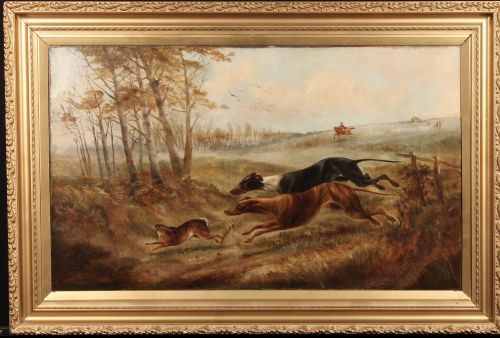
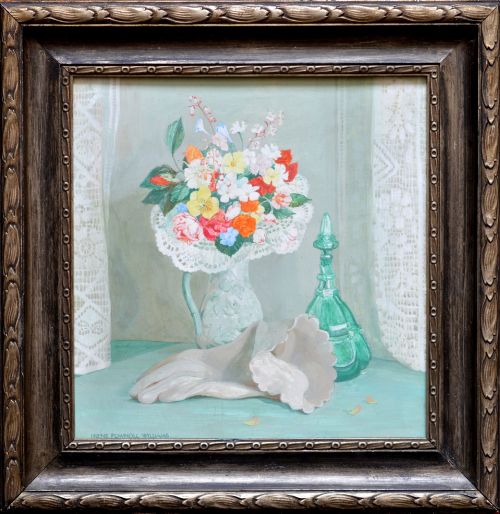
Substantial giltwood frames frequently complement the canvases and panels, preserving the edges and enhancing the overall visual impact of the artwork. Many pieces retain their original mounting, while others showcase traditional panel construction techniques typical of earlier periods.
Listings feature works executed on paper, canvas, wood panels, and glass across the seventeenth to twentieth centuries.
What Varies in Quality
The strength of the composition and the sureness of the brushwork largely separate standard works from exceptional examples. Masterful handling of light, particularly in maritime and romantic landscapes, elevates an individual piece significantly.
The preservation of the medium, whether oil paint or delicate paper, plays a major role in the overall integrity of the work. Works attributed to notable Royal Academy artists or documented regional painters command particular attention for their historical execution.
Sir William Beechey·Henry Barraud·John Syer·Sir Peter Lely·John Opie
The Antique British Painting Glossary
- Oil on Canvas
- A traditional painting medium where pigments suspended in drying oil are applied to stretched fabric. This method allows for rich blending and textured impasto effects.
- Watercolour
- A painting method where water-soluble pigments are used with paper to create translucent washes. It was widely utilised for detailed topographical and landscape studies.
- Giltwood
- Wood carved and covered with a thin layer of gold leaf or gold paint. Frames created in this material were designed to accentuate the framed artwork.
- Tempera
- A permanent, fast-drying painting medium consisting of coloured pigments mixed with a water-soluble binder material. It offers a matte finish often found on wood panel works.
- Gouache
- An opaque method of watercolour painting featuring pigment bound in water-soluble gum. It provides solid areas of colour with a characteristic velvety finish.
Antique British Painting: Frequently Asked Questions
How do I care for antique watercolours?
Keep watercolours away from direct sunlight to prevent the pigments and paper from fading over time. Display them in rooms with stable humidity levels to protect the paper and backing.
Ensure framing materials are acid-free to prevent yellowing of the paper mount around the painting.
Were these paintings always framed?
Most oil paintings and watercolours were housed in protective frames suited to the fashion of their period. Giltwood frames were especially popular for nineteenth-century oils to add depth and presence.
Some surviving panels and canvases retain their original period framing, which provides valuable context for the artwork.
What subjects are most common?
British landscapes and coastal shipping scenes appear frequently across the available selections. Rural life, pastoral settings, and maritime views made up a large portion of artistic output throughout the nineteenth century.
Portraiture of individuals and formal studies also represent a strong tradition within these historical periods.
How can I tell the period?
Examining the materials, framing style, and stretcher construction offers reliable clues to the age of a piece. Handwritten inscriptions on the reverse often record artist names, dates, and specific locations.
Stylistic conventions, clothing styles in portraits, and the specific palette utilised also help date the work accurately.