





Antique British Oil Artwork
Antique british oil artwork encompasses centuries of canvas and panel painting capturing landscapes, portraits, and maritime scenes.
Antique British Oil Artwork
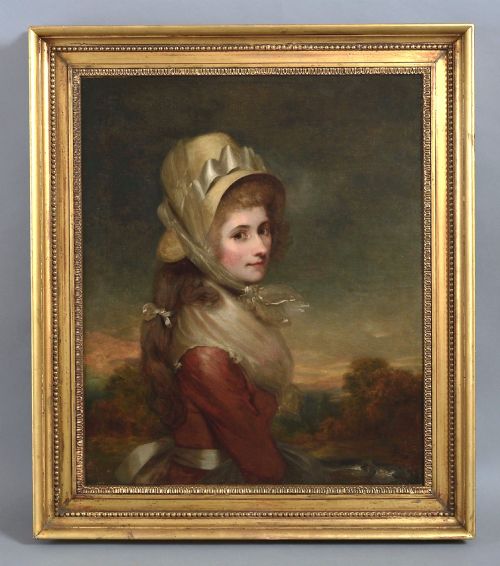
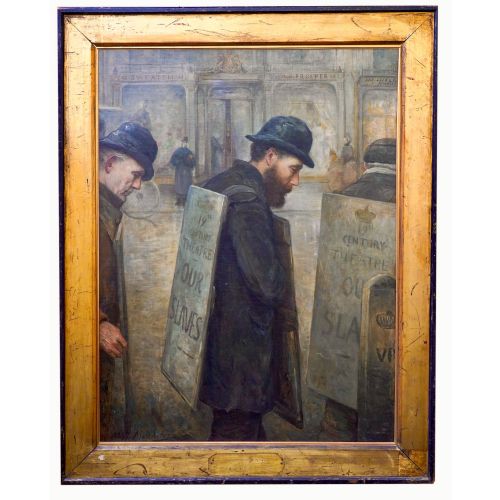
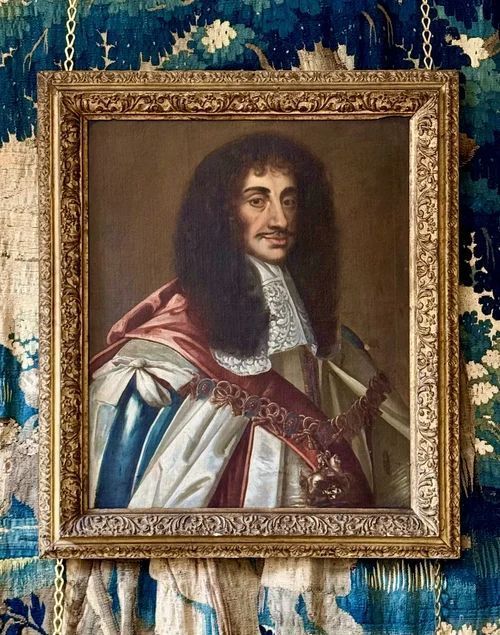
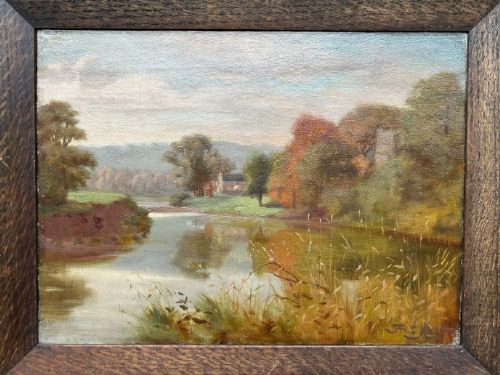
An antique british oil artwork represents painted visual culture spanning the eighteenth, nineteenth, and early twentieth centuries. These pieces encompass framed portraits, pastoral landscapes, marine views, and genre scenes created across mainland Britain.
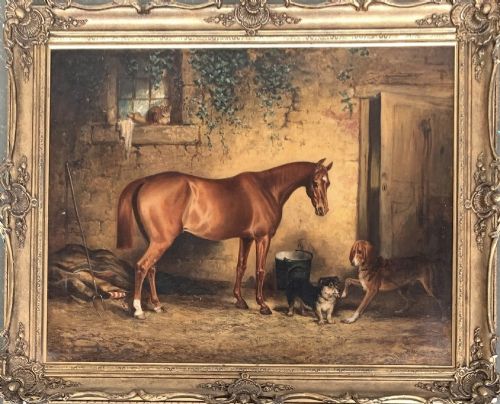
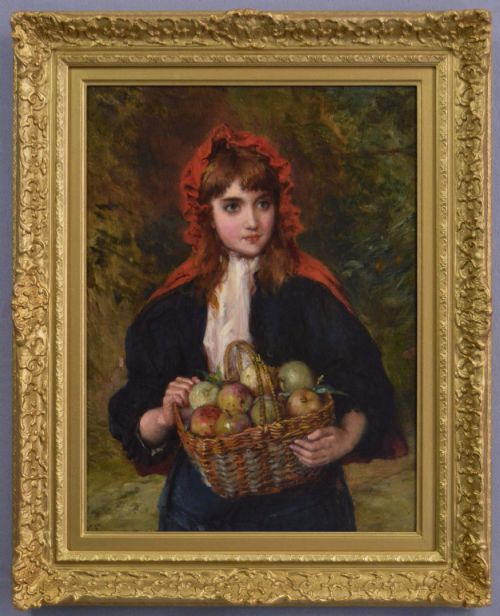
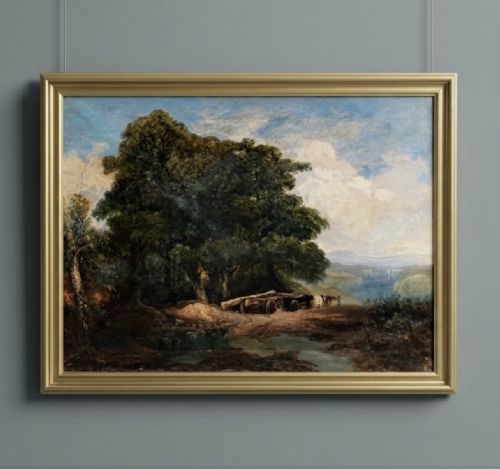
The most common examples on this page date from the Victorian era through the Edwardian period, often reflecting rural life, coastal vistas, or domestic portraiture. Canvases and wooden panels showcase the traditional output of regional artists and academy painters alike.
Subjects range from romantic highland settings and sporting animals to formal likenesses of landed gentry and historical figures. Each work provides a direct window into the aesthetic priorities and social recording of past British generations.
How they were made
Artists applied oil paint using traditional bristle brushes and palette knives onto stretched woven canvas, prepared wood panels, or solid board supports. Ground layers and priming beneath the paint layer provided stability and controlled the luminosity of the finished pigments.
Many works retain their original giltwood or gold leaf frames, constructed from carved wood and moulded composition ornament. These surrounds were specifically designed to protect the perimeter of the canvas and complement the visual depth of the oil medium.
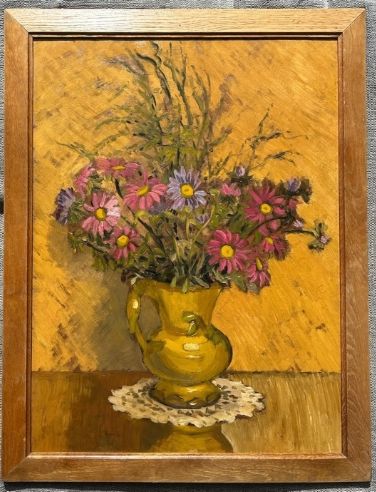
Listings feature works spanning the eighteenth century through the 1960s, executed primarily in oil on canvas and wood panel.
What varies in quality
Quality separates through the artist's handling of light, anatomical precision, and atmospheric depth within the composition. Masterful brushwork achieves convincing texture in fabrics, foliage, and water, whereas lesser examples rely on formulaic repetition and stiff perspective.
The integrity of the original paint surface and the survival of contemporary framing influence the overall standard of a piece. Works retaining undisturbed pigment layers and minimal historic restoration hold greater artistic coherence.
William Oliver·Richard Sebastian Bond·Sir Martin Archer Shee·Felix Stone Moscheles·William H Myers·Tom Campbell·Sir Peter Lely·Howard Hardy·Frederick Marriott·Arthur Wardle·John Opie·John Horace Hooper·William Joseph Shayer·Alfred Fontville de Breanski·Oliver Clare·Edward Mills·Kershaw Schofield·Herbert Royle·Stephen Samuel Lewin·John Rose Miles·Thomas Barker of Bath·Thomas W Lascelles·Mark William Langlois·David Bates·Benjamin Barker of Bath
The Antique British Oil Artwork Glossary
- Oil on Canvas
- A traditional painting medium where coloured pigments suspended in drying oils are applied to a stretched woven fabric support. This combination allows for rich blending and varied surface textures.
- Giltwood
- Carved wood treated with a thin layer of gold leaf or metallic powder applied over a prepared gesso base. This decorative finish frames and enhances the visual weight of historic paintings.
- Impasto
- A technique where paint is laid onto a surface in very thick layers, standing visibly out from the canvas. Artists utilise this method to create tactile qualities and dynamic light reflection.
- Genre Painting
- The pictorial representation of scenes from everyday life involving ordinary people. These works typically depict domestic interiors, market squares, or rural labour rather than grand historical narratives.
Antique British Oil Artwork: Frequently Asked Questions
How do I date an oil painting?
Dating relies on stylistic markers, costume details, stretcher construction, and signatures recorded on the canvas or reverse. Comparative study of an artist's working period often narrows the timeframe.
Examine the type of canvas weave and framing methods, as these physical components shifted through the eighteenth and nineteenth centuries.
Where should I hang these paintings?
Select interior walls protected from direct sunlight, high humidity, and rapid temperature fluctuations from heating vents. Stable environmental conditions prevent the canvas and oil pigments from cracking.
Ensure the hanging hardware securely supports the combined weight of the painting and its heavy wooden frame.
How do I clean an antique oil canvas?
Dust surfaces gently with a soft, dry brush without applying moisture or household cleaning solutions. Professional conservators handle deeper grime and discoloured varnish removal.
Avoid touching the painted surface directly, as natural oils from skin contact can damage aged pigment layers.
What indicates a signed artwork?
Signatures often appear in the lower corners of the composition, sometimes integrated into the landscape elements or written on the reverse canvas. Monograms and dates require cross-referencing with artist indexes.
An indistinct signature remains common on nineteenth-century British works due to natural fading or historical framing overlapping the edges.