



Antique Bread Bowl
An antique bread bowl brings tactile warmth to a table, offering deep vessels forged in silver plate, solid silver, earthenware and wood.
Antique Bread Bowl
When buyers search for an antique bread bowl, they encounter a diverse array of serving vessels, fruit baskets, and decorative bowls spanning the Georgian, Victorian, Edwardian, and Art Deco periods. These pieces originate from English, French, Austrian, and Polish makers, reflecting a long tradition of domestic hospitality and refined dining.
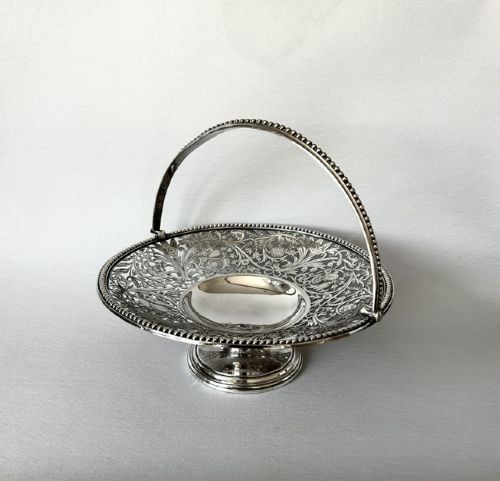
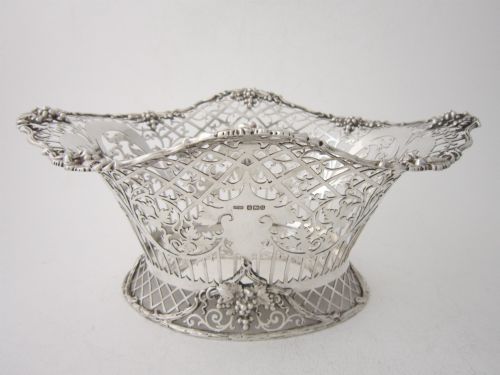
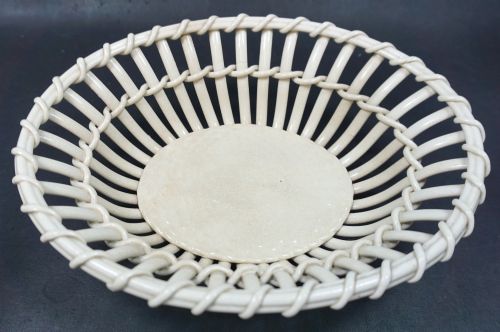
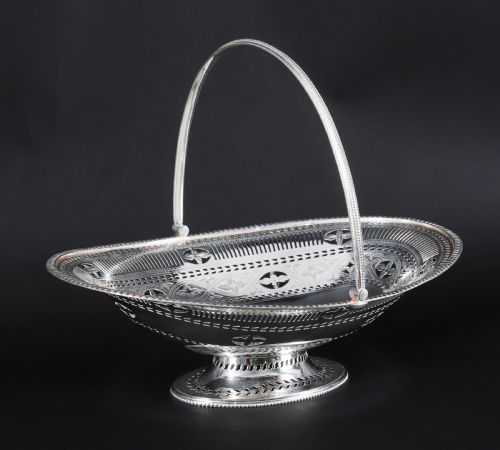
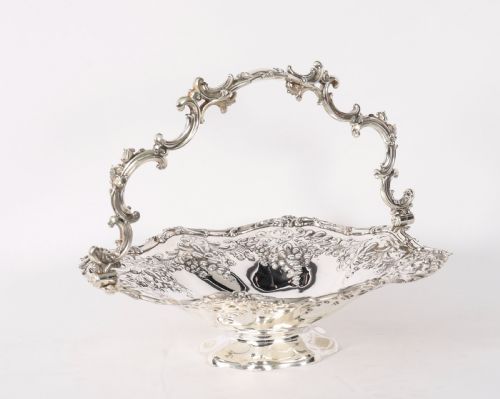
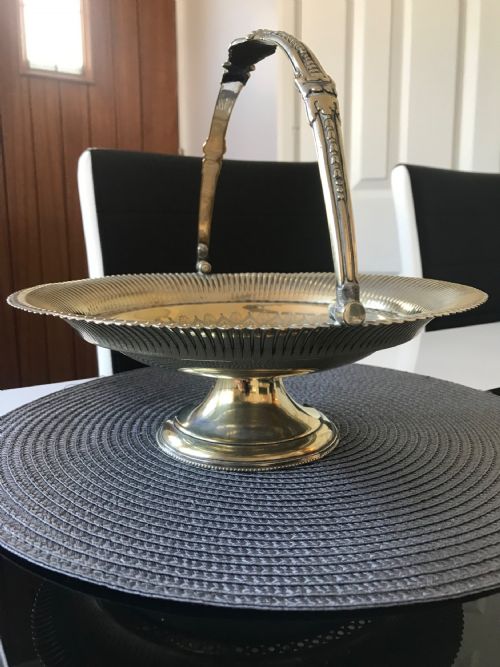
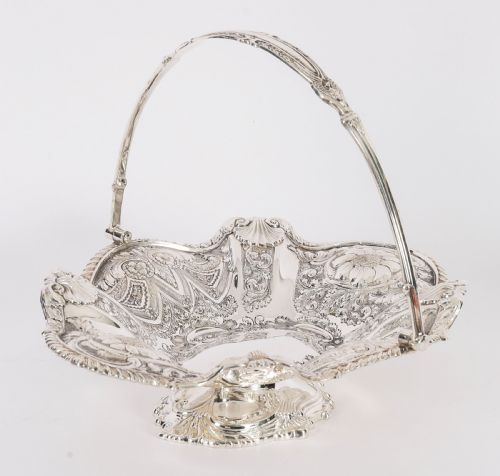
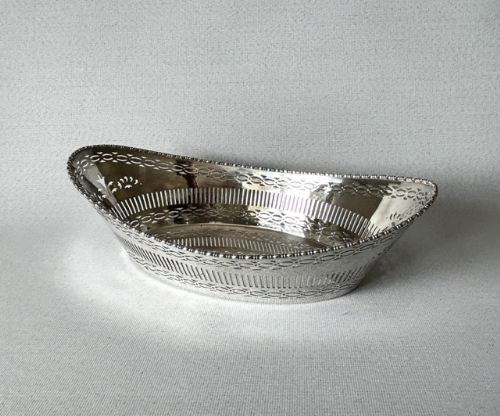
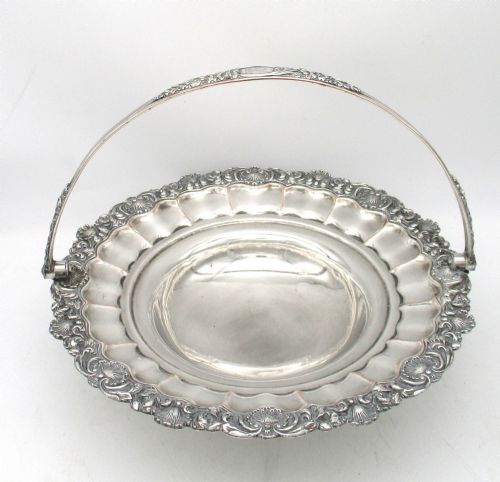
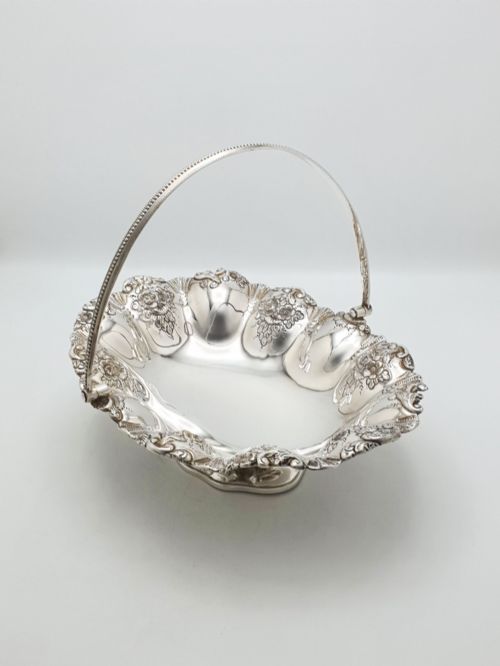
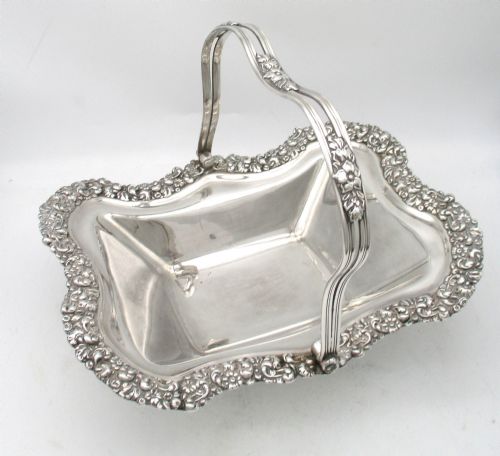
The most common forms on this page include silver plated fruit baskets with swing handles, solid silver pierced serving dishes, earthenware creamware baskets, and large wooden dairy bowls. While originally designed for bread, fruit, or chestnuts, these vessels serve equally well today as centrepieces or practical containers.
How They Were Made
Silversmiths and manufacturers utilised sterling silver, silver plate on copper using Old Sheffield plating methods, and electroplated nickel silver to create durable yet lustrous vessels. Artisans employed hand piercing, repoussé decoration, floral engraving, and wirework to embellish metal surfaces.
Potters shaped creamware and earthenware into woven cane designs and transfer-printed patterns, while woodworkers turned large dairy bowls from solid timber. Each technique combined functional durability with the distinct aesthetic of its respective period.
Antique Bread Bowl Retail Price Guide 2026
Typical asking prices for bread bowl among the pieces listed under this phrase on Sellingantiques today, from the lower quarter to the upper quarter. They describe what is for sale here now, not the wider market.
Several bowls retain family crests etched into their centres, hinting at long-forgotten dining room banquets.
What Varies in Quality
The distinction between standard examples and the finest pieces lies in the crispness of the piercing, the depth of the repoussé work, and the integrity of the base metal. Superior silver plated items retain their plating evenly across high-relief floral rims and delicate handles.
Maker marks and hallmarks provide clear indicators of origin and workshop standards, distinguishing mass-produced items from pieces forged by notable silversmiths. Furthermore, the weight and balance of a vessel reflect the care taken during its construction.
George W. Scott & Sons Ltd·Mappin & Webb·Walker & Hall·William Comyns·Hammond, Creake & Co·William Hutton & Sons·Martin Hall·J. & R. Clews·Brille, Paris·John Walton·James Dixon
The Antique Bread Bowl Glossary
- Old Sheffield Plated
- A composite material made by fusing a thin sheet of silver to a thicker copper base before shaping. This technique preceded electroplating and creates a warm, distinctive finish.
- Repoussé
- A metalworking technique where the artisan hammers the metal from the reverse side to form raised relief designs on the front. This method produced elaborate floral borders on baskets.
- Creamware
- A refined earthenware developed in England during the eighteenth century, possessing a pale yellow or cream-coloured glaze. It was frequently moulded into basket-weave patterns.
- Pierced
- Workmanship involving the cutting or piercing of geometric or floral patterns through sheet metal. This lightens the appearance of heavy silver dishes.
- Hallmark
- Official stamps punched into precious metals indicating the standard of silver, the assay office, and the year of manufacture. These marks help verify the provenance of solid silver pieces.
Antique Bread Bowl: Frequently Asked Questions
How do I clean antique silver bread bowls?
Use a soft cloth and a reputable silver cream designed for antiques to remove tarnish gently.
Avoid harsh chemical dips that strip the underlying character and damage older plated surfaces.
Can I use these bowls for serving food today?
Solid silver, silver plate, and glazed earthenware vessels are generally suitable for dry foods like bread or whole fruit.
Check for any repairs or exposed base metal before placing moist items directly onto older surfaces.
What is the difference between Old Sheffield plate and silver plate?
Old Sheffield plate involves physically fusing a layer of silver to a copper core prior to forming the vessel.
Later electroplated wares apply a thin coat of silver via an electrical current onto a nickel silver or base metal foundation.
How can I date my silver bread bowl?
Examine the base or rim for hallmarks, which indicate the exact assay office and year of manufacture for solid silver pieces.
Stylistic clues such as Rococo revival scrolls or Art Deco geometric lines also help narrow down the decade.