


Antique Brassware
These pieces of antique brassware span utility and display, from domestic hearth equipment to ritual vessels formed across centuries.
Antique Brassware
When you search for antique brassware, you encounter domestic items, lighting, and decorative objects made from copper alloys across many periods. The selections on this page concentrate heavily on nineteenth-century production alongside earlier examples from the sixteenth, seventeenth, and eighteenth centuries.
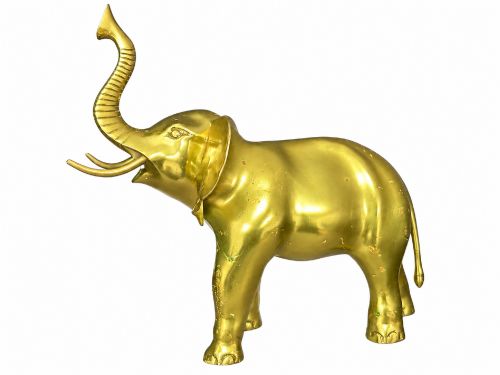
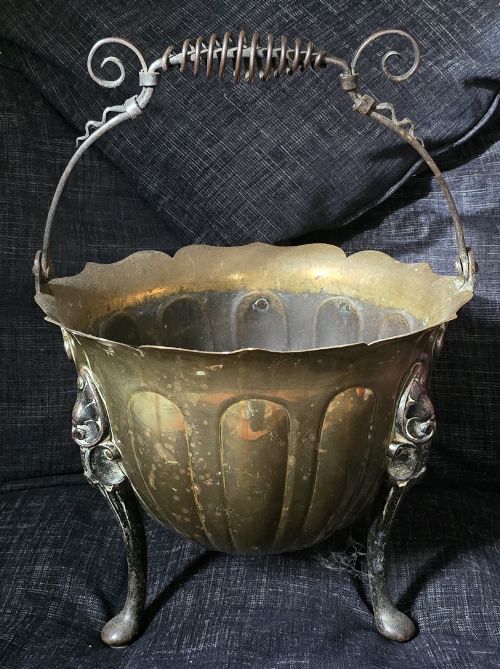
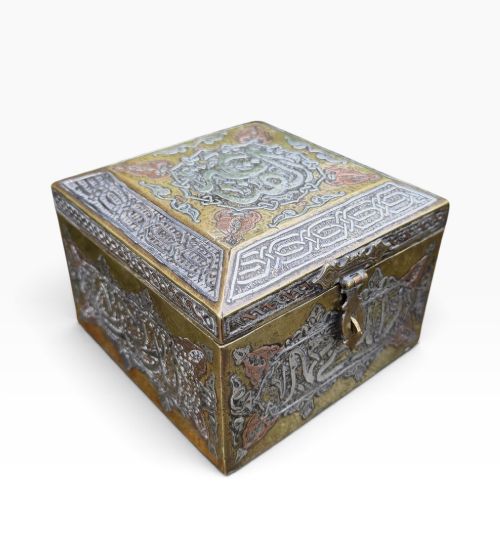
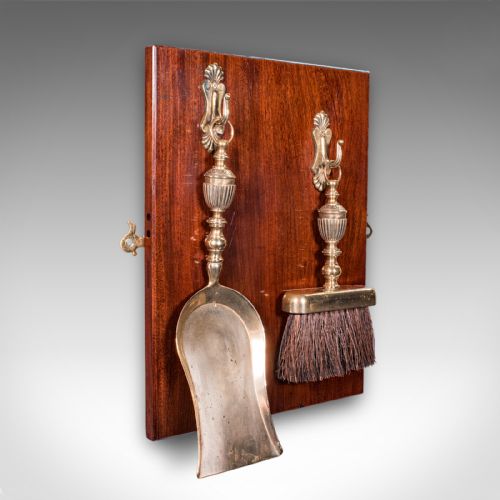
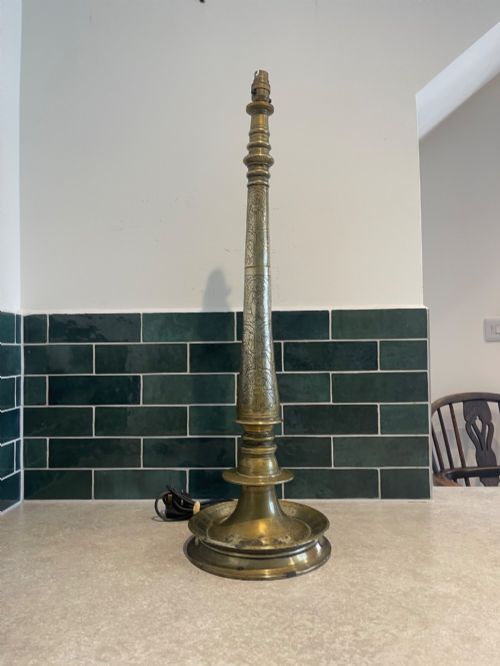
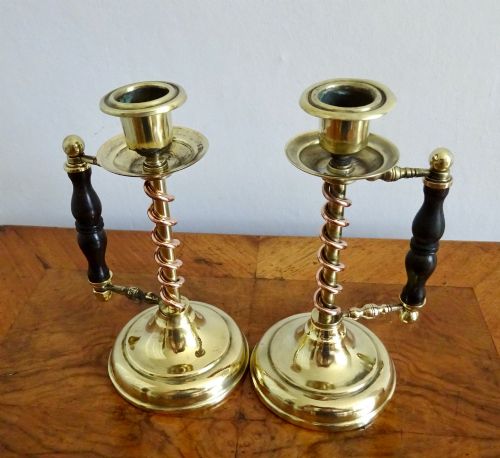
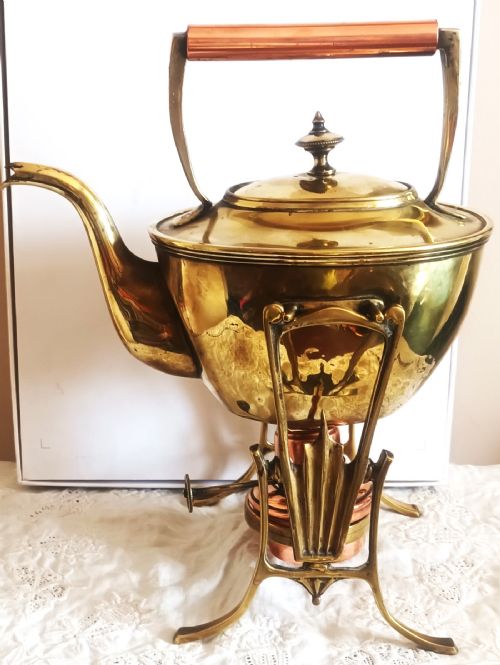
The assortment spans utilitarian fireplace accessories like coal scuttles, footmen, and chestnut roasters, alongside numerous pairs of candlesticks. You also find vessels for water or ritual, desk accessories, and decorative items originating from Britain, continental Europe, India, and East Asia.
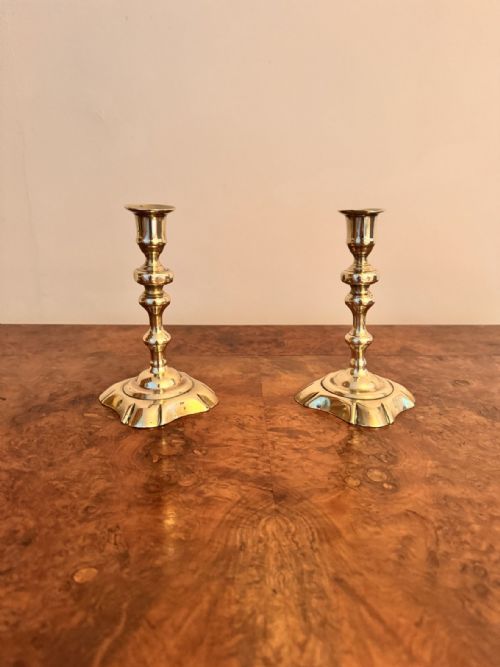
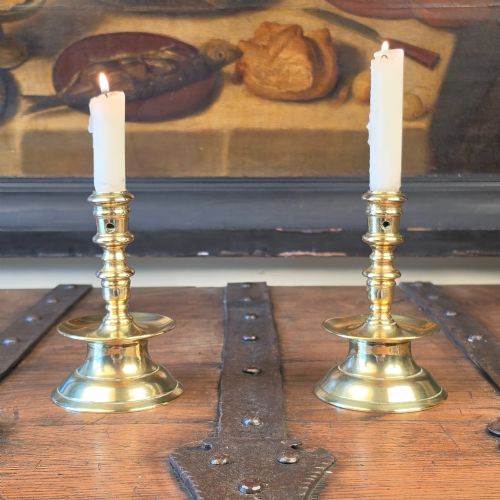
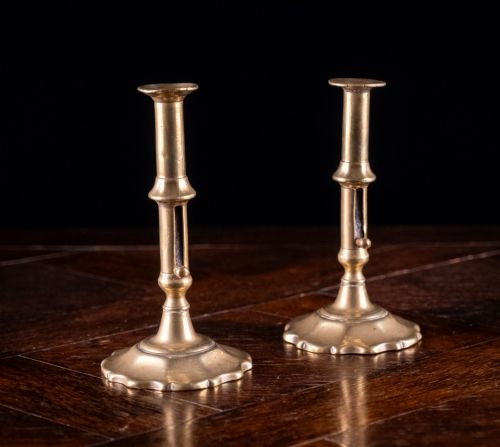
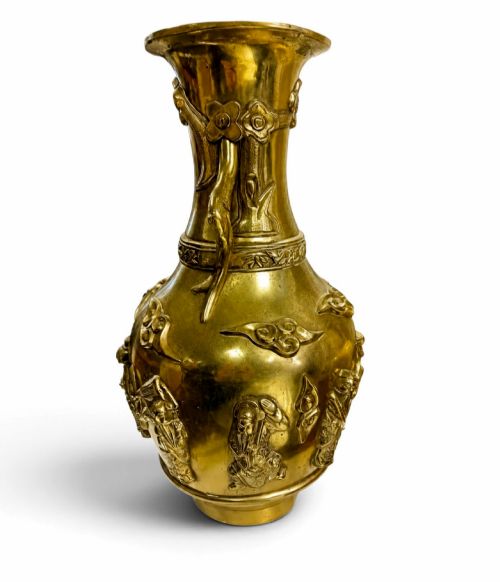
Domestic lighting dominates the offerings, particularly pairs of candlesticks ranging from simple ejector models to elaborate revival styles. Alongside these functional items sit regional specialities such as Anglo-Indian gongs and Chinese cloisonne vases.
How they were made
Makers utilised casting techniques, particularly for heavy components like andirons, candlesticks, and structural mounts. Seamed construction appears frequently in lighting and vessels, where sheet brass or copper was shaped and joined.
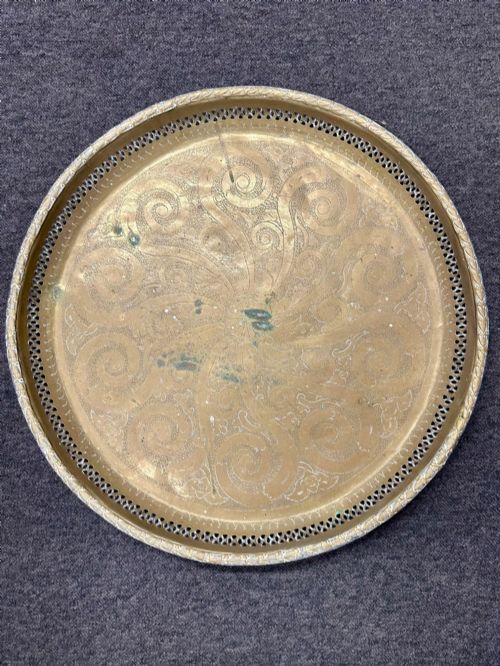
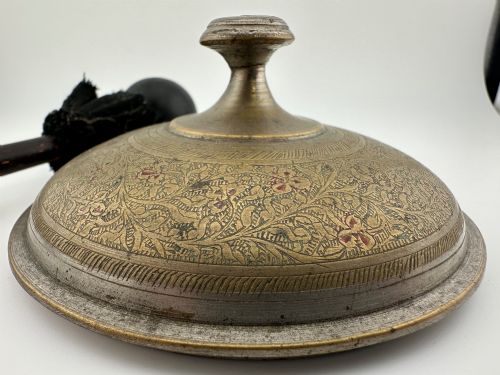
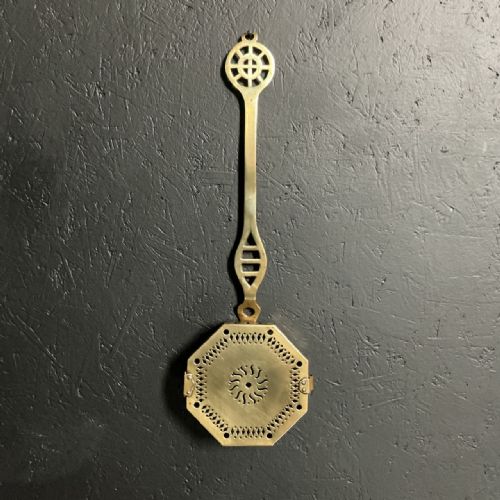
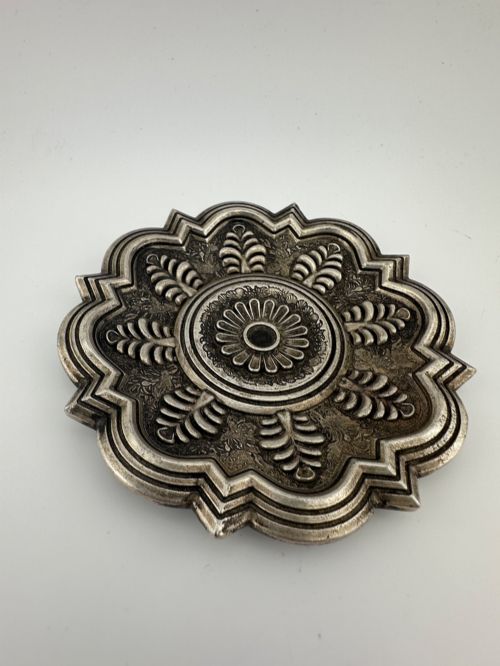
Surface decoration involved chasing, engraving, piercing, and high-relief work, sometimes incorporating silver inlay, enamel, or contrasting copper and steel elements. Makers also applied hallmarks and manufacturer marks to metal surfaces.
Antique Brassware Retail Price Guide 2026
Typical asking prices for brassware among the pieces listed under this phrase on Sellingantiques today, from the lower quarter to the upper quarter. They describe what is for sale here now, not the wider market.
Materials extend beyond standard brass to include copper, bronze, silver inlay, enamel, and wooden components.
What varies in quality
Quality rests in the crispness of the casting and the depth of the hand-finishing work. Pieces showing sharp relief in decorative elements and clean joins demonstrate superior workmanship.
Design integrity and maker attribution elevate certain objects above standard utilitarian wares. Items associated with known firms or specific design movements display more considered proportions and ornamental detail.
Henry Loveridge·William Soutter And Sons·William Tonks·John Linwood·Frederick J Smith And Co
The Antique Brassware Glossary
- Ejector candlestick
- A type fitted with an internal mechanism to push out the remaining stub of a candle. This mechanism usually operates via a small slide on the stem.
- Footman
- A metal stand placed in front of a fireplace to keep food warm. These typically feature perforated tops and iron or brass legs.
- Alms dish
- A shallow basin used for collecting charitable donations in churches. Nuremberg examples from the sixteenth century often feature embossed biblical scenes.
- Cloisonne
- A technique where enamel paste is applied to compartments created by soldering thin metal strips to a metal base. The piece is then fired and polished.
- Grand Tour
- A cultural journey undertaken by wealthy young Europeans visiting historical sites. Souvenirs from these trips often included decorative brass and bronze items.
Antique Brassware: Frequently Asked Questions
How do I clean antique brassware?
Most dealers advise leaving a natural patination intact rather than aggressive polishing. Gentle dusting with a dry cloth prevents dust accumulation without removing historical surface character.
Harsh chemical cleaners strip away the aged appearance that collectors value. If cleaning is essential, use a mild non-abrasive soap and dry the metal thoroughly afterwards.
What is the difference between brass and copper?
Brass is an alloy primarily composed of copper and zinc, yielding a bright yellow or gold-coloured metal. Copper is a pure metallic element with a distinct reddish-pink hue.
Many nineteenth-century items combine both metals for decorative contrast. You will frequently see copper bodies paired with brass handles, rims, or feet.
How can I date old candlesticks?
Early candlesticks feature solid cast construction with wider bases for stability, transitioning to seamed manufacturing methods by the mid-eighteenth century. Socket styles, push-up ejector mechanisms, and base shapes evolved through the Georgian and Victorian eras.
Maker marks and patent stamps provide precise timelines when present. Comparing base weights and manufacturing seams helps separate eighteenth-century examples from later revival pieces.
Where were these pieces manufactured?
Production centres include British industrial towns like Birmingham alongside continental European workshops in the Netherlands and Germany. Items also arrived through trade and empire from India, China, and the Middle East.
Export wares often adapted local decorative techniques for Western buyers during the nineteenth century. Examining construction styles and ornamentation reveals these distinct regional origins.