



Antique Brassware Hearth
An antique brassware hearth brings together metalwork and fire furniture from the Georgian, Regency, and Victorian periods.
Antique Brassware Hearth
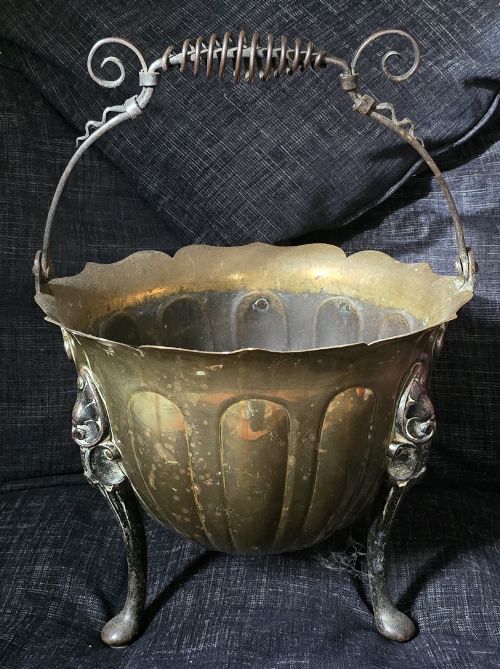
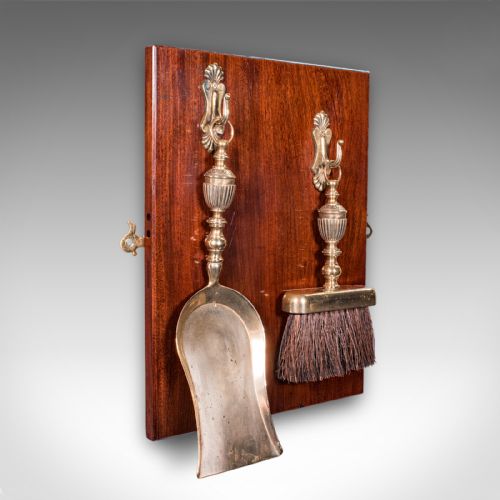
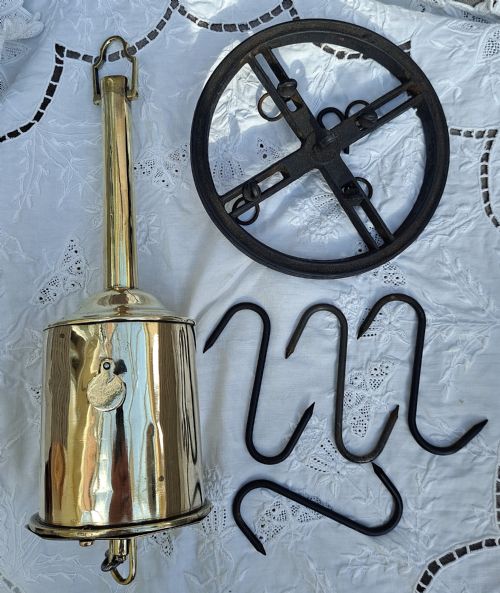
When you search for antique brassware hearth, you encounter functional fireside accessories ranging from coal buckets and scuttles to footmen, kettles, and chestnut roasters. These items served domestic duties around the fireplace in Georgian, Regency, and Victorian homes.
The most common items on this page are coal bins, chestnut roasters, and footmen alongside kettles and skimmers. They combine brass with iron, steel, and wood to handle daily use near the fire.
Pieces span multiple design movements including Aesthetic Movement, Arts and Crafts, Art Nouveau, and Traditional Dutch styles. Each period brings distinct decorative motifs and manufacturing methods to the hearth.
Materials and construction methods
Makers utilised cast brass, wrought iron, steel, and mahogany to build durable hearth equipment. Brass provided a bright finish that could be polished, while iron and steel added structural strength to footmen and spit jacks.
Construction techniques involve casting, hand-beating, and riveting components together. Many items combine heavy cast brass elements with sheet brass bodies and iron mounts.
Antique Brassware Hearth Retail Price Guide 2026
Typical asking prices for brassware hearth among the pieces listed under this phrase on Sellingantiques today, from the lower quarter to the upper quarter. They describe what is for sale here now, not the wider market.
Listings span the eighteenth century through to nineteen hundred, covering Georgian, Regency, Victorian, and Edwardian periods.
Distinctions in quality and execution
Quality appears in the weight of the metal and the precision of the casting. Heavier gauge brass and solid construction distinguish superior items from lighter, utilitarian equivalents.
Artistic execution separates standard production from pieces bearing distinct design characteristics associated with notable makers or specific aesthetic movements.
John Linwood of Birmingham·Benham and Froud·William Tonks·Thomas Jeckyll
The Antique Brassware Hearth Glossary
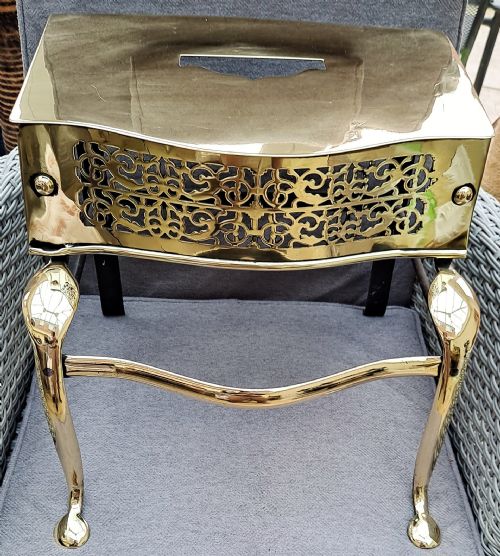
- Footman
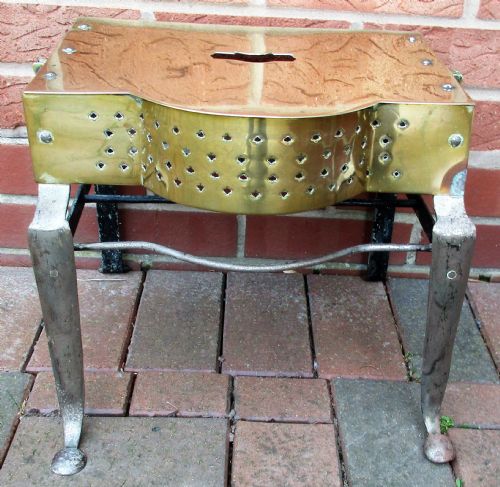
- A metal stand placed in front of the fire to keep plates or kettles warm. These typically combine a brass top with iron or steel legs.
- Coal scuttle
- A container used for holding and transporting coal to the fire. Versions on this page take helmet or bin forms in brass.
- Chestnut roaster
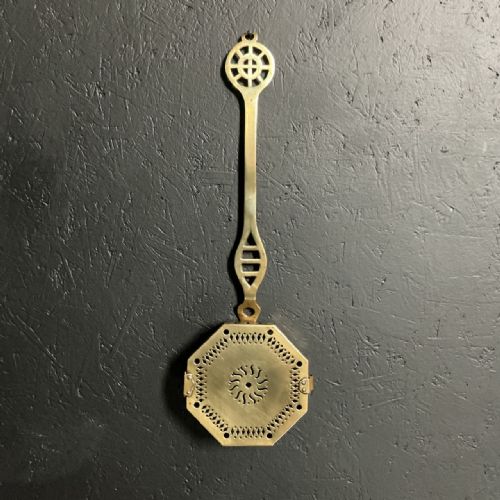
- A long-handled utensil with a pierced lid used for roasting chestnuts over coals. They feature brass pans paired with wooden handles.
- Spit jack
- A mechanical device used to turn meat before an open fire. These incorporate brass and steel clockwork mechanisms.
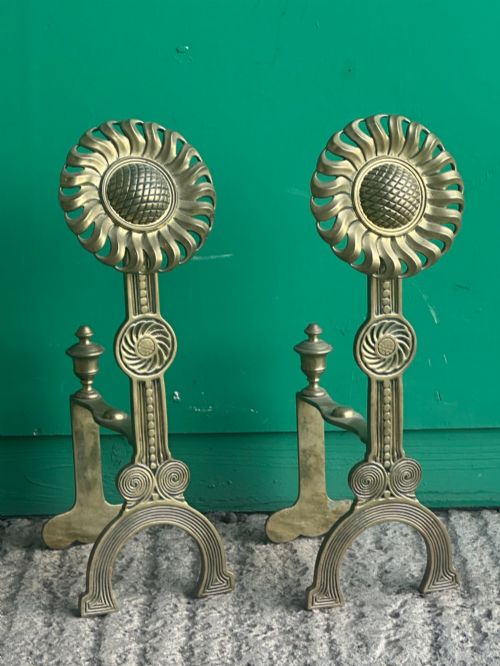
- Andirons
- Fire dogs used to support logs in an open hearth. Cast brass examples often display decorative motifs like sunflowers.
Antique Brassware Hearth: Frequently Asked Questions
What is a hearth footman used for?
A hearth footman sat directly before the fireplace to keep food warm or heat water in a kettle. The metal construction handled the intense heat radiating from the hearth.
These stands were standard items in Georgian and Victorian households where meals required staging near the fire before serving.
How do I identify a Victorian coal scuttle?
Victorian coal scuttles often take helmet shapes or cylindrical bin forms made from sheet and cast brass. They frequently incorporate swing handles and robust feet.
Design influences from the Aesthetic Movement or Arts and Crafts periods often appear on the surface decoration of these containers.
What materials make up these fireside items?
Most pieces combine brass with iron and steel for structural stability. Wood handles appear on items like chestnut roasters and kettles to protect hands from heat.
Mahogany and ebonised wood sometimes accent coal bins and stands, providing contrast to the polished metal surfaces.
How do I care for antique brass?
Antique brass requires gentle cleaning to preserve the patination accumulated over generations of use. Avoid abrasive polishes that strip away the aged surface.
A soft cloth and mild cleaner maintain the finish without removing the character developed since the Georgian or Victorian era.
Are these pieces suitable for active fireplaces?
Many items like coal scuttles and kettles retain their functional capacity for modern hearths. Other pieces, such as decorative andirons, serve primarily as display items.
Assessment of each individual item helps determine whether it suits active use or decorative placement in a room.