




Antique Brass Fireplace Pan
An antique brass fireplace pan brings warmth and utility to a hearth, offering a tangible link to historical domestic routines.
Antique Brass Fireplace Pan
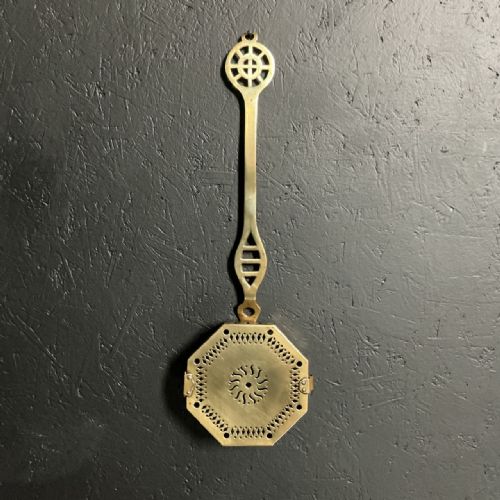
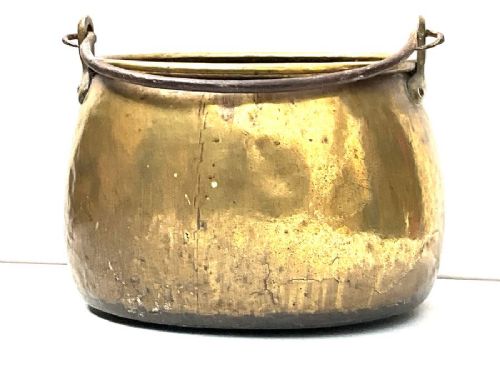
An antique brass fireplace pan encompasses a variety of utilitarian vessels used around the hearth, from warming pans and jam pans to chestnut roasters and cauldrons. The pieces seen here span periods such as Georgian, Victorian, and Edwardian, reflecting centuries of domestic metalwork.
Buyers are most likely to meet chestnut roasters and bed warming pans on this page, alongside robust cauldrons and skillets. These items often combine brass bowls with iron handles or wooden grips, designed to sit near the hearth or handle hot embers.
Origins represented in the current selection lean towards English craftsmanship, utilising durable metals shaped for daily fireside tasks. Each form serves a specific role in managing heat, food, or bedding warmth within the traditional home.
How they were made
These vessels are primarily formed from brass and copper, frequently paired with iron for handles, trivets, or structural reinforcement. Craftsmen hammered or cast the metal sheets and bowls, utilising riveting to secure swing handles and joints.
Wooden components appear on items like warming pans to provide a cool grip near the heat of the fire. Bronze and wrought iron also feature in specific hearth cookware and skillets, demonstrating robust traditional fabrication techniques.
Antique Brass Fireplace Pan Retail Price Guide 2026
Typical asking prices for brass fireplace pan among the pieces listed under this phrase on Sellingantiques today, from the lower quarter to the upper quarter. They describe what is for sale here now, not the wider market.
What varies in quality
Quality rests on the thickness of the metal and the integrity of the original joins, where riveted construction demonstrates the maker's practical intent. Heavy gauge brass and well-balanced swing handles distinguish superior display and utility pieces from lighter variants.
The sophistication of surface finishing and the retention of original iron or wooden elements define the upper tier of these hearth items. Evidence of careful hand-working separates standard utility objects from those selected for prominent display.
The Antique Brass Fireplace Pan Glossary
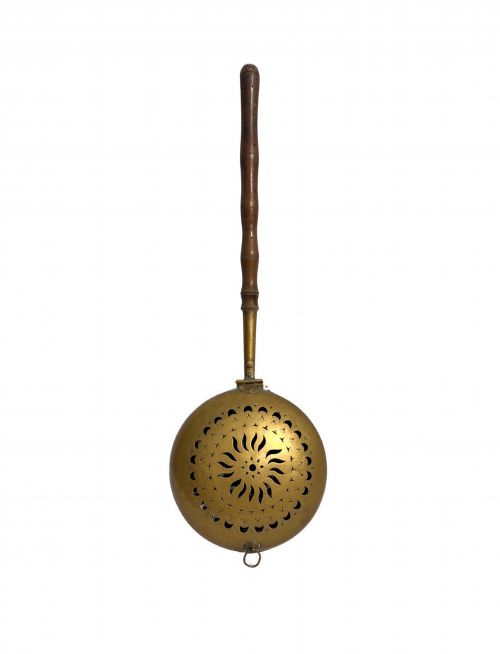
- Bed warming pan
- A long-handled metal pan filled with hot coals and slid between sheets to warm a bed. These typically feature hinged lids with pierced designs to vent heat safely.
- Chestnut roaster
- A small lidded pan used to roast nuts over open coals. They often exhibit hinged covers and sturdy handles for fireplace use.
- Cauldron
- A deep round pot with a swing handle designed for heating liquids over a fire. Bronze and copper examples show durable domestic casting.
- Trivet
- A small stand used to elevate hot pans or kettles above the hearth floor or embers. Iron and brass variations support cookware near the flames.
- Skillet
- A long-handled pan used for cooking over an open fire. Georgian examples frequently combine heavy brass bowls with iron handles.
Antique Brass Fireplace Pan: Frequently Asked Questions
What were brass fireplace pans used for?
These pans served practical domestic functions around the hearth, including warming beds, roasting chestnuts, and heating liquids or preserves.
Their metal construction allowed them to withstand direct contact with embers and open flames during daily household tasks.
How do I date an antique brass pan?
Dating relies on identifying stylistic markers from periods like the Georgian or Victorian eras, alongside manufacturing methods like hand-riveting.
Material combinations, such as wrought iron paired with brass, also offer clues to the approximate century of production.
Are these pans safe to use on modern fires?
Most pieces function best as decorative items or historic display objects rather than active modern cookware.
Historic joins and thin spots from centuries of use mean they are primarily appreciated for their material heritage.
How should I clean an antique brass pan?
Gentle dusting and minimal intervention preserve the historic surface and natural patina accumulated over generations.
Abrasive cleaners can strip away the aged finish that collectors value on older metalwork.