




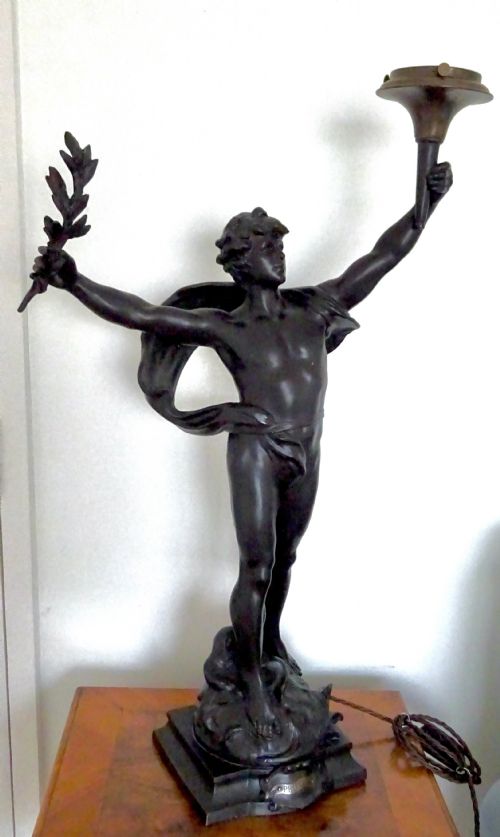
Antique Brass Torchere
An antique brass torchere provides an elevated focal point for a room, bringing classical form and metallic warmth to interiors.
Antique Brass Torchere
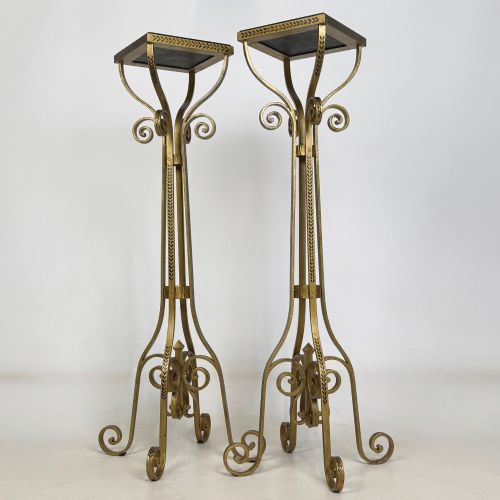
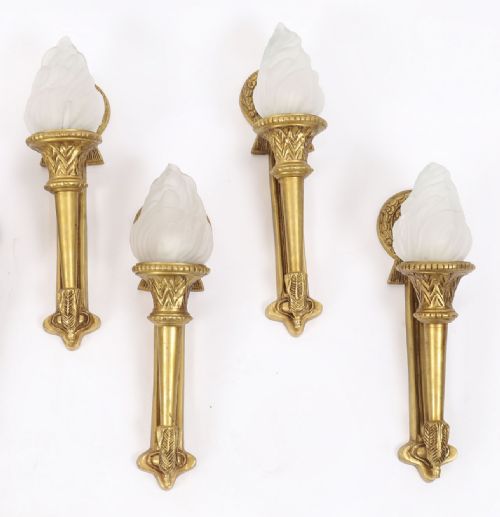
When you search for an antique brass torchere, you find tall stands, floor lamps, and wall lights designed to illuminate or display objects at height. These pieces draw on classical designs, bringing structural verticality into domestic spaces through slender shafts and tripod or circular bases.
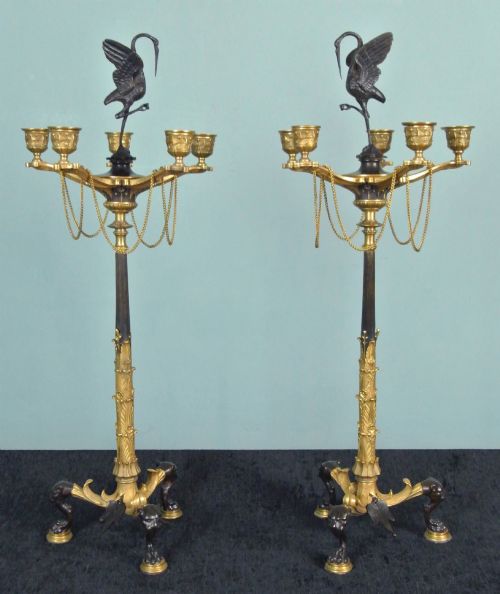
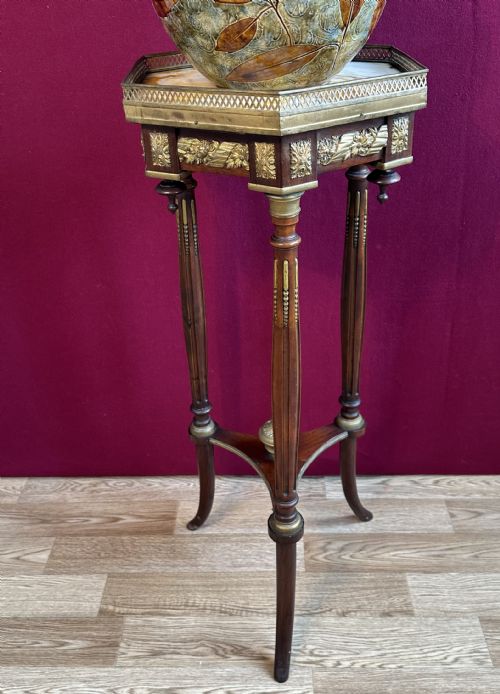
The versions most commonly met combine brass with materials such as mahogany, marble, or ormolu, reflecting periods from the nineteenth century through the Edwardian era and the 1920s. Alongside dedicated torchere stands, listings frequently include related forms like plant stands, wall sconces, and candelabra that share the same decorative vocabulary.
How they were made
Maker workshops constructed these stands using cast and turned brass, often combining metal components with hardwoods like mahogany or adding decorative ormolu and gilt bronze mounts. Structural stability required weighted bases or sturdy tripod legs to support tall shafts and heavy ornamental heads.
Surface ornamentation involved chasing, gilding, and patination, alongside the integration of marble tops, frosted glass, or inset panels. Construction methods combined traditional cabinetmaking for wooden elements with foundry casting for metal mounts and fittings.
Antique Brass Torchere Retail Price Guide 2026
Typical asking prices for brass torchere among the pieces listed under this phrase on Sellingantiques today, from the lower quarter to the upper quarter. They describe what is for sale here now, not the wider market.
Listings span several periods including Regency, Victorian, Edwardian, and the 1920s, featuring brass, mahogany, marble, and ormolu.
What varies in quality
Quality depends on the crispness of the metal casting and the depth of the chasing on brass and ormolu mounts, where sharper detailing distinguishes superior workshops from mass production. The integration of materials also matters, seen in how cleanly marble inserts fit into wooden or metal frames and how securely joints are fixed along the shaft.
Weight distribution and structural balance separate better examples from lesser ones, as a heavier base ensures a tall stand remains stable. The choice of secondary materials, such as figured mahogany or heavy-gauge brass rather than thinner plated alternatives, marks the upper tier of production.
Barbedienne
The Antique Brass Torchere Glossary
- Torchere
- A tall ornamental stand originally designed to carry a torch or candle, later adapted for lamps and plant displays. These pieces usually feature a slender pillar supported by a tripod or weighted base.
- Ormolu
- Gilded bronze applied as a decorative mount on furniture, lighting, and stands. This technique was widely utilised in French and revival styles during the nineteenth and early twentieth centuries.
- Tripod
- A three-legged base providing stability for tall stands and lamp supports. This configuration appears frequently in floor-standing pieces from the Regency period onwards.
- Candelabra
- Branched lighting fixtures designed to hold multiple candles. They share decorative metalwork techniques with torchere stands and wall sconces of the same eras.
- Neoclassical
- A decorative style drawing inspiration from classical antiquity, characterised by symmetry, restrained ornamentation, and geometric forms. It appears across many brass and ormolu items in the evidence.
Antique Brass Torchere: Frequently Asked Questions
What is an antique brass torchere used for?
These tall stands served traditionally to hold candles, lamps, or decorative objects, elevating them to eye level in a room. Today they function as floor lamps, plant stands, or sculptural elements in corners and hallways.
Their narrow footprint makes them useful for adding vertical interest without taking up valuable floor space in smaller reception rooms.
How do I date an antique brass torchere?
Dating relies on examining the construction methods, materials, and stylistic revival influences visible in the piece. Pieces from the nineteenth century often show heavier cast brass and hand-finished mounts, while Edwardian and 1920s examples may incorporate simpler turned shafts or machine-threaded fittings.
Comparing the decorative motifs, such as Neo-Classical or French Empire details, against known period production helps narrow down the decade of manufacture.
Where should I place a torchere stand?
Torchere stands suit corners, empty wall spaces, or flanking positions beside larger items of furniture where height is needed to balance the room. They work effectively when paired to frame a doorway, fireplace, or window.
Placement should account for the stability of the base, particularly with tall tripod designs that require flat flooring.
Are brass torcheres always made entirely of brass?
Many examples combine brass with other materials, most commonly wooden shafts in mahogany or bases incorporating marble, iron, or glass. Pure brass construction is more typical of smaller wall sconces and specific lighting fixtures, while floor-standing torcheres frequently mix media for stability and decorative contrast.
Checking the listings reveals frequent combinations of brass with hardwoods and ormolu mounts.