




Antique Brass Taps
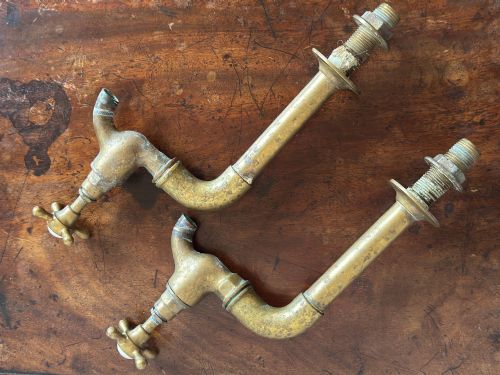
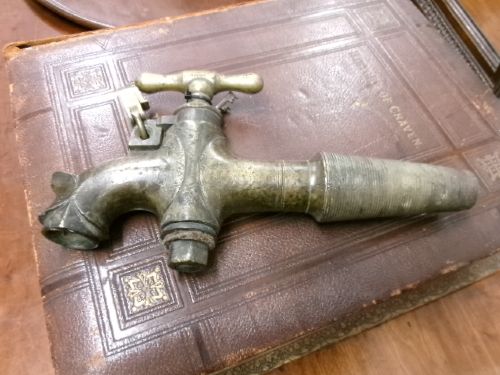
These antique brass taps and related dispensers span the Victorian, Regency, and Georgian periods, offering solid period character for a traditional interior.
Antique Brass Taps
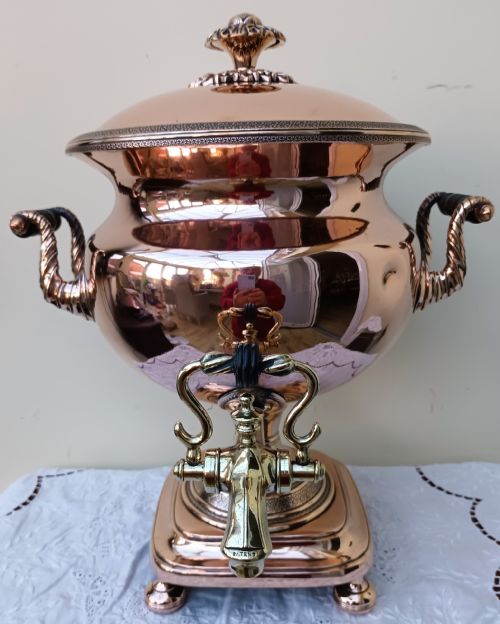
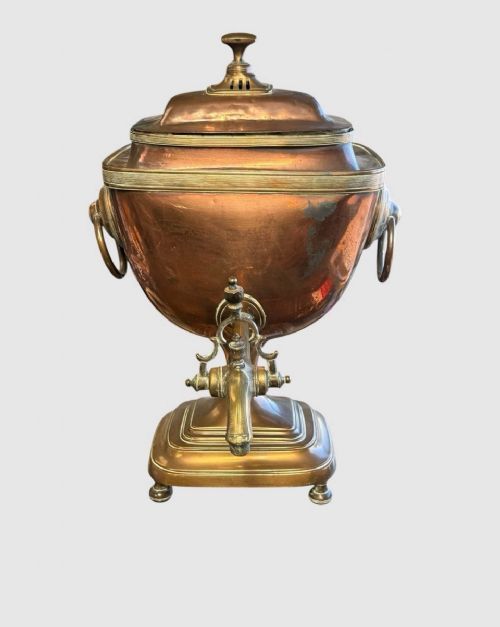
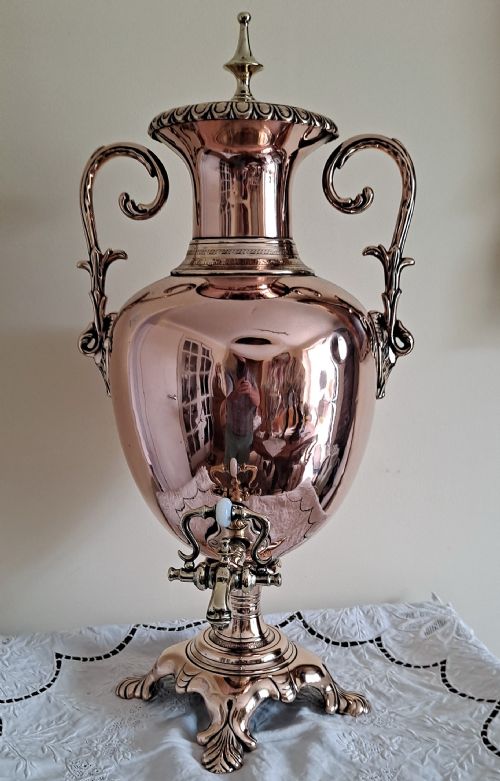
When buyers search for antique brass taps, they encounter a range of functional hardware and hospitality vessels rather than standard plumbing fixtures alone. The selection here leans heavily towards Victorian and 19th-century utility items, including copper and brass samovars, tea urns, spirit dispensers, and counter bells alongside actual bath taps.
Many of these pieces trace their origins to the 19th century, incorporating materials like polished brass, copper, and ebonised wood. Alongside dedicated bath taps, the listings feature diverse vessels equipped with spouts and taps, such as large coffee and water urns.
The objects combine practical 19th-century engineering with domestic decoration, reflecting the heavy usage of country houses and commercial spaces of the era. Buyers find both operational bathroom fittings and large-scale beverage dispensers sharing the same metalworking heritage.
Materials and construction methods
Construction relies primarily on heavy-gauge brass and copper, frequently joined by hand and finished with polished surfaces or bronzed patinas. Makers utilised durable casting and turning techniques to withstand regular daily use in domestic and commercial settings.
Secondary elements include ceramic components, gold leaf, and ebonised wood handles, providing functional contrast to the primary metal bodies. Glass also appears in spirit and brandy dispensers, paired with metal hardware to control liquid flow.
Antique Brass Taps Retail Price Guide 2026
Typical asking prices for brass taps among the pieces listed under this phrase on Sellingantiques today, from the lower quarter to the upper quarter. They describe what is for sale here now, not the wider market.
Listings span the Georgian, Regency, and Victorian periods, with brass and copper appearing as the dominant materials alongside glass and ebonised wood.
Judging quality in period metalwork
Quality rests in the heaviness of the casting and the crispness of turned details, where finer examples display substantial metal thickness and precise jointing. The proportion of handles, spouts, and mounts dictates the overall visual balance of each piece.
Surface preservation plays a major part, distinguishing items with deep, natural patinas from those with over-polished or stripped finishes. Pieces retaining original mounts, ceramic inserts, and functional taps command greater interest among collectors.
The Antique Brass Taps Glossary
- Samovar
- A heated metal container traditionally used to boil water for tea, typically featuring a central internal tube and a spigot tap at the base. These vessels often combine copper bodies with brass handles and spouts.
- Toleware
- Metalware painted and lacquered, frequently in tinplate or iron, associated with decorative domestic items like coffee urns. This technique provides a durable, colourful finish characteristic of 19th-century pieces.
- Spirit dispenser
- A commercial or domestic receptacle designed to hold and pour liquor, incorporating glass reservoirs or metal bodies with built-in taps. These were common in bars and large country house reception rooms.
- Counter bell
- A spring-loaded or desk-mounted bell used in shops and hotels during the Victorian era. They often feature cast brass bases and ringing mechanisms designed for heavy daily service.
- Patina
- The surface sheen and oxidation developed on metal over decades of handling and exposure. A natural patina indicates age and authentic use.
Antique Brass Taps: Frequently Asked Questions
Are these taps suitable for modern plumbing?
Most period taps require professional adaptation to fit modern pipe dimensions and standard water pressures.
Buyers should consult a specialist plumber to ensure compatibility before attempting installation in a contemporary bathroom.
How do I clean brass and copper safely?
Gentle dusting and occasional use of non-abrasive metal cleaners help maintain the surface without destroying the aged finish.
Aggressive chemical cleaning strips away the desirable patina that collectors look for on 19th-century pieces.
What is the difference between a samovar and a tea urn?
A samovar traditionally includes an internal heating cylinder for boiling water, whereas a standard tea urn functions more like a bulk container for hot liquid.
Both types usually incorporate a small brass tap near the base for dispensing.
How can I date a brass counter bell?
Dating relies on the manufacturing style, the complexity of the spring mechanism, and the type of base mounting used.
Late Victorian examples often show heavier brass castings and patent stamps related to the mechanism.