



Antique Brass Stud Sofa
An antique brass stud sofa brings deep leather upholstery and individual metal fasteners together to anchor a traditional room with enduring character.
Antique Brass Stud Sofa
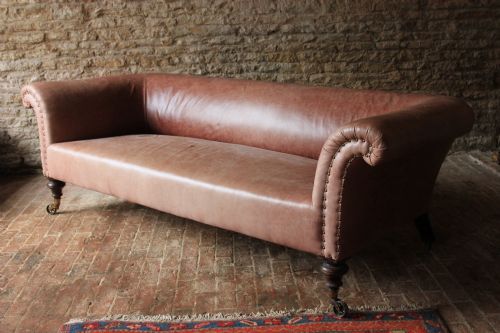
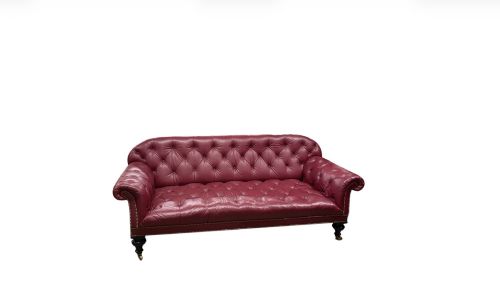
When you search for an antique brass stud sofa, you are looking at substantial seating built around leather upholstery punctuated by metal fastenings along the frame or arms. These pieces encompass traditional English chesterfields, highback settees, and drop arm designs spanning the nineteenth and early twentieth centuries.
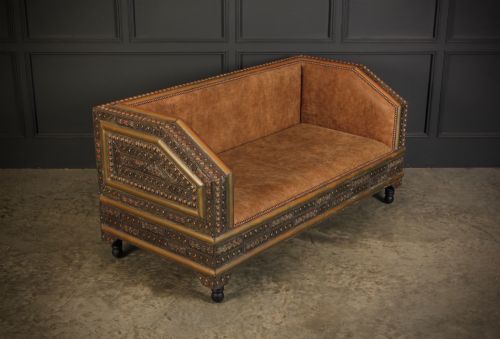
The version you are most likely to meet on this page is the brown leather chesterfield from the nineteenth century, often featuring deep buttoning and hand-dyed finishes. Alongside these sit occasional Regency, Edwardian, and Moroccan seating suites that incorporate wood and damask elements.
Makers such as Howard & Sons appear among the listings, alongside robust pieces from the Victorian era and the nineteen-thirties. The common thread across these forms is the combination of timber framing, sprung interiors, and characteristic brass stud detailing.
Materials and construction methods
Construction relies upon sturdy timber frameworks, predominantly mahogany and mixed hardwoods, which provide the structural core for heavy upholstery. Traditional builds incorporate coil springing and horsehair stuffing to shape the interior padding before the outer cover is applied.
Antique Brass Stud Sofa Retail Price Guide 2026
Typical asking prices for brass stud sofa among the pieces listed under this phrase on Sellingantiques today, from the lower quarter to the upper quarter. They describe what is for sale here now, not the wider market.
Historic horsehair stuffing keeps former livestock silently employed inside nineteenth-century armrests.
Distinctions in quality
Quality reveals itself in the integrity of the internal stuffing and the responsiveness of the coil springing, which determine how firmly the seat holds its shape over time. Superior examples maintain a balanced proportion and a supportive interior structure that withstands decades of use.
The grade of the leather and the depth of the hand-dyed finish distinguish higher-tier pieces from simpler utilitarian seating. Precision in the placement of the brass studs and the carving of exposed hardwood frames further separate standard workshop output from exceptional creations.
Howard And Sons
The Antique Brass Stud Sofa Glossary
- Chesterfield
- A traditional style of sofa characterised by rolled arms and a back of the same height, typically featuring deep button tufting. This form forms the majority of leather seating seen in these listings.
- Horsehair gilled
- A traditional stuffing method using animal hair to pack and shape the interior of upholstered seating. This technique provides a dense, resilient filling beneath the leather.
- Knoll drop arm
- A sofa design featuring adjustable or folding sides that can be lowered independently. This mechanism allows the seating to convert into a daybed or day lounge.
- Damask
- A reversible figured fabric woven on a jacquard loom, appearing here on select decorative suites. It offers an alternative texture to plain leather upholstery.
- George II style
- An aesthetic revival drawing on mid-eighteenth-century English design principles, noted for substantial proportions and carved wooden details. Pieces in this style emphasise formal elegance.
Antique Brass Stud Sofa: Frequently Asked Questions
How do I date a leather sofa?
Dating relies on examining the framing timber, the upholstery stuffing materials like horsehair, and the specific styling of the legs and arms. Earlier nineteenth-century examples often display hand-turned mahogany or hardwood supports beneath heavy coil springs.
Changes in leather treatment and stud placement patterns across Victorian and Edwardian periods also help narrow down the decade of manufacture. Comparing construction details with documented workshop practices provides the firmest chronology.
How should I maintain antique leather?
Maintaining antique leather involves applying appropriate nourishing balms to prevent the hide from drying and cracking over time. Keeping the sofa away from direct sunlight and heat sources preserves the natural moisture of the material.
Gentle dusting with a soft, dry cloth is sufficient for routine care, avoiding harsh chemical cleaners that can strip the hand-dyed finish. Professional conservation is recommended for any deeper restoration work.
Are these sofas comfortable for daily use?
These sofas are built with traditional coil springing and dense internal stuffing designed to provide firm, supportive seating. Many period pieces offer deep proportions that accommodate relaxed sitting.
Because internal components vary from original horsehair to later restorations, the exact feel depends on the specific history of each piece. Testing the seating firsthand reveals how the springs and frame respond.