


Antique Brass Stove
An antique brass stove brings tactile warmth and domestic history into a room, spanning humble hearth accessories and refined Dutch tea warmers.
Antique Brass Stove
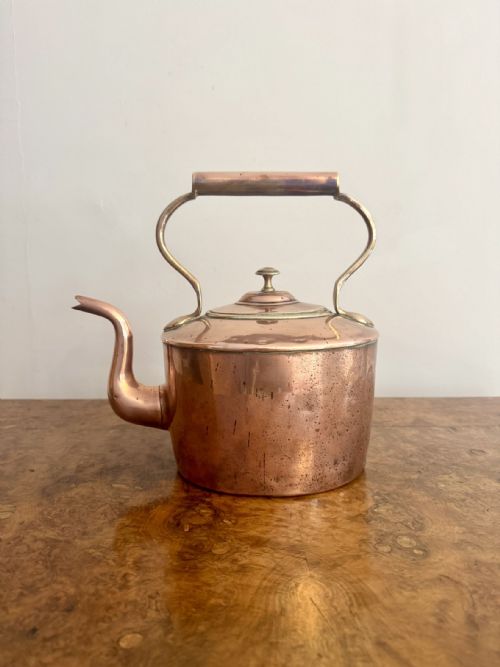
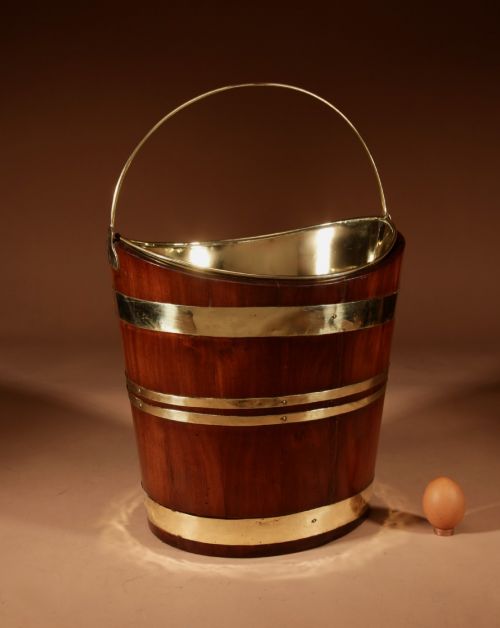
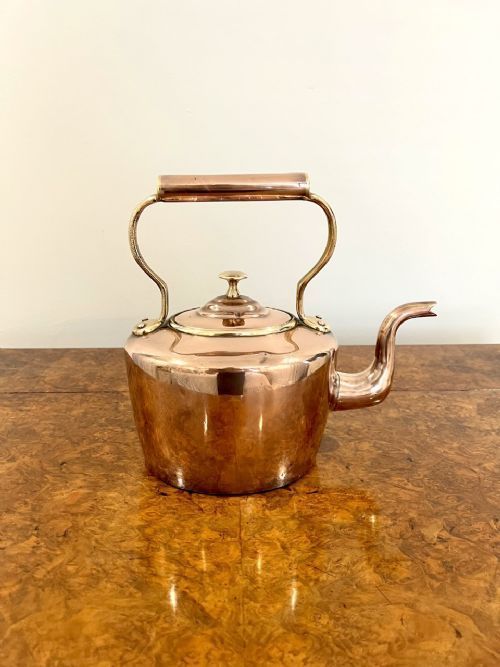
When you search for an antique brass stove, you encounter a diverse group of domestic hearth equipment and Continental foot warmers. The selection on this page ranges from Georgian and Victorian copper kettles to timber peat buckets and brass-lined foot warmers.
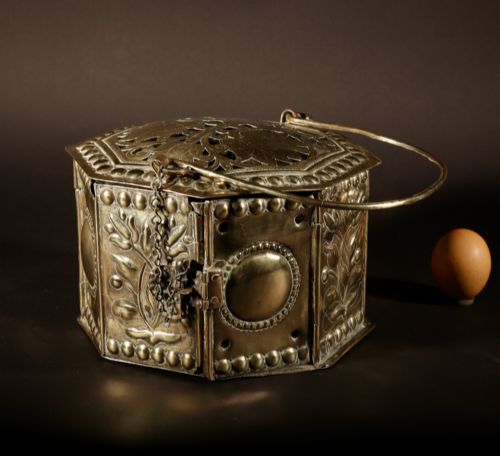
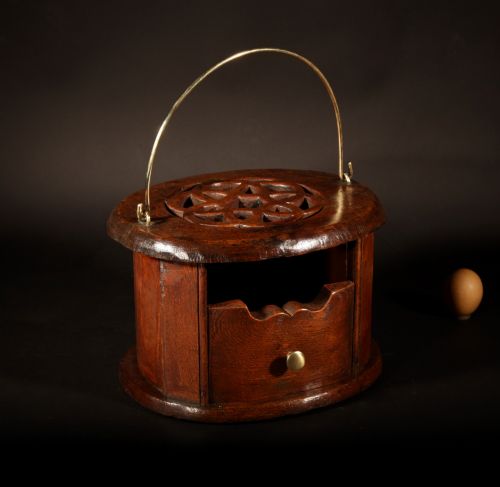
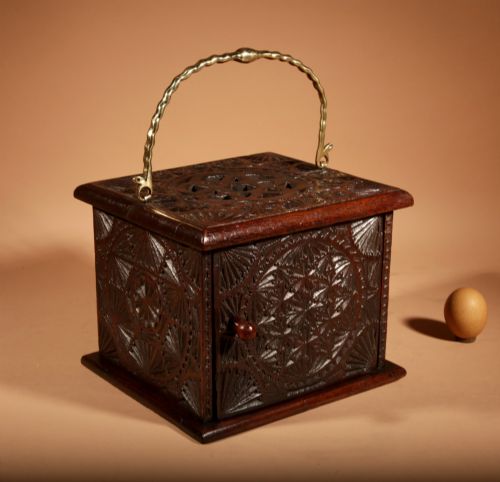
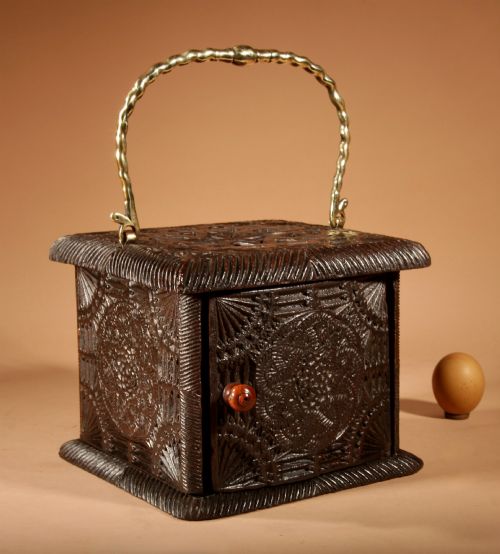
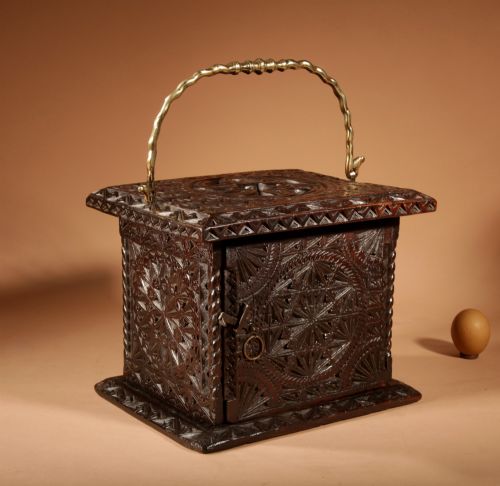
Foot warmers, locally termed teestoof, appear alongside coopered mahogany tea stoves and heavy brass-bound containers. These pieces reflect centuries of domestic heating practices across Britain and the Netherlands.
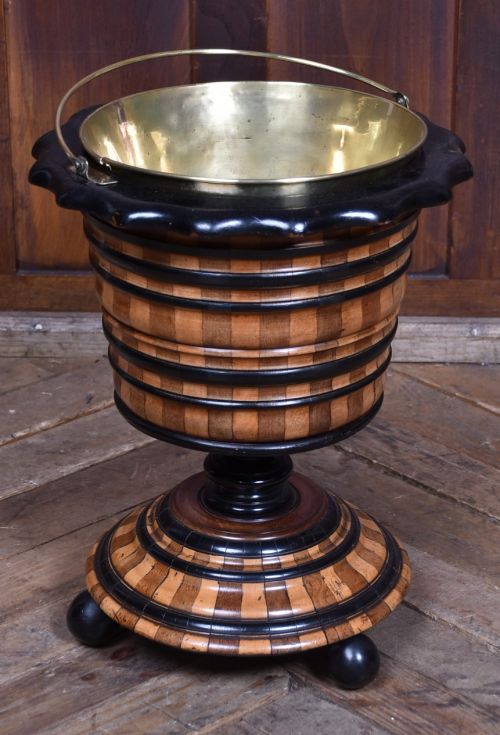
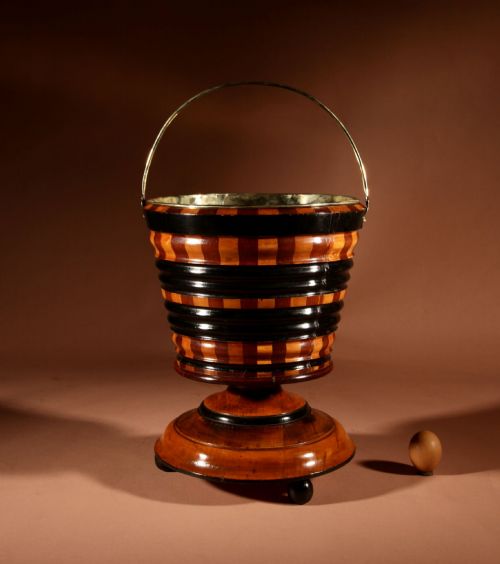
You are most likely to meet timber-bodied peat buckets with brass liners or traditional metal kettles dating from the eighteenth and nineteenth centuries. Each form serves as a tangible link to period domestic life.
Materials and construction methods
Construction relies upon the combination of warm metals and dense hardwoods such as oak, walnut, mahogany, and ebonised wood. Brass and copper components provide durability and heat retention for daily hearth use.
Cabinetmakers shaped timber using coopered construction, chip carving, and inlay techniques, while metalworkers hammered sheet brass and copper into vessels and liners. Surface ornamentation includes hand embossing and traditional carving styles.
Listings incorporate items from the eighteenth, nineteenth, and Georgian periods, alongside Dutch traditional and Frisian folk art styles.
Distinctions in quality
Quality rests in the precision of the timber joinery, the integrity of the brass liners, and the crispness of any hand embossing or chip carving. Plain utilitarian examples differ markedly from pieces displaying fine mahogany inlays or intricate decorative metalwork.
The weight of the metal and the preservation of original wooden surfaces dictate the standing of an individual piece. Makers demonstrated their skill through balanced proportions and secure coopered staves that held hot embers or water safely.
Briffault of London
The Antique Brass Stove Glossary
- Teestoof
- A traditional Dutch foot warmer designed to hold a small container of hot peat embers. These devices warmed feet beneath long skirts during cold weather.
- Peat Bucket
- A wooden container used to store turf or peat blocks near the hearth. Many double as tea stoves or jardinières.
- Coopered
- Built by assembling vertical wooden staves bound with metal hoops, much like a traditional barrel. This technique ensures stability in wooden buckets and stoves.
- Chip Carving
- A decorative technique where small chips are removed from a flat wooden surface to create geometric patterns. This style appears frequently on regional European pieces.
- Schuitje
- A boat-shaped vessel form utilised for peat buckets and tea stoves. The distinctive curved profile enhances decorative appeal in formal rooms.
Antique Brass Stove: Frequently Asked Questions
What is an antique brass stove used for?
These objects served practical functions in historical homes, primarily heating water or keeping feet warm using hot embers.
Today, collectors utilise them as decorative fireside accessories, planters, or containers for kindling and logs.
How do I date an antique copper kettle?
Dating relies on manufacturing techniques, handle attachments, and the shape of the body and spout. Georgian examples often feature distinct hand-beaten seams and cast brass mounts.
Victorian pieces tend to show more standardised machine manufacturing and heavier gauge sheet metal.
What is a Dutch foot stove?
A Dutch foot stove, or teestoof, is a small wooden box with pierced holes on top and a removable internal metal tray for hot coals. People placed their feet on top to stay warm in unheated rooms.
They often feature hand-embossed brass panels and sturdy wooden frames.
How do I care for antique brass and copper?
Maintenance requires gentle cleaning to preserve the historic patina rather than achieving a bright, modern shine. Avoid harsh chemical polishes that strip surface age.
Keep wooden components conditioned and protect timber from excessive moisture and direct heat sources.