


18th Century Brass Stove
An 18th century brass stove brings warmth and folk artistry into a room, combining tactile metalwork with traditional timber construction.
18th Century Brass Stove
When you search for an 18th century brass stove, you encounter domestic hearth accessories and foot warmers designed for early domestic heating. These items reflect the daily routines of Georgian households and continental European homes.
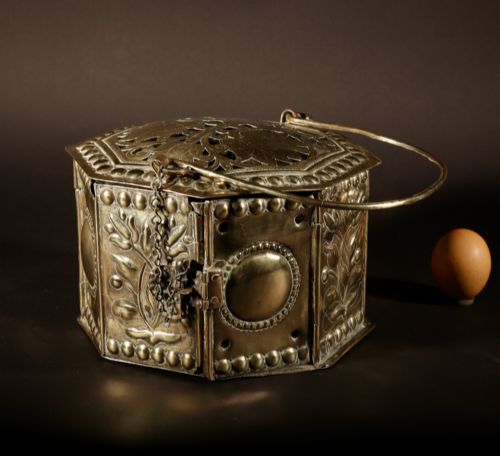
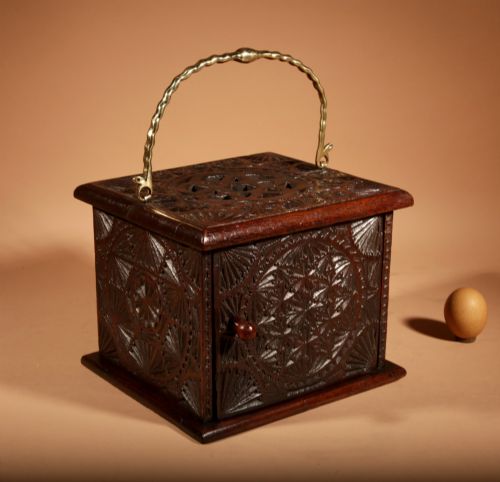
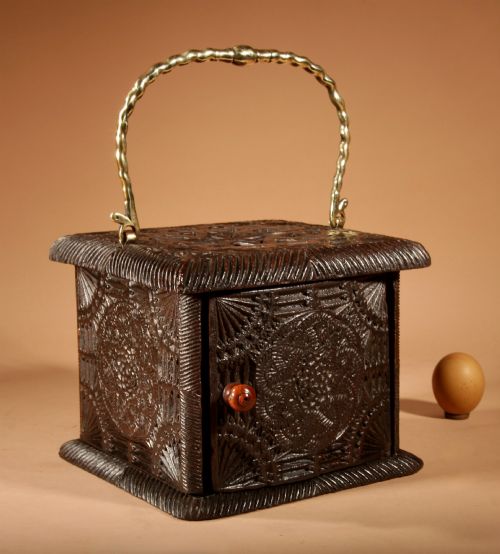
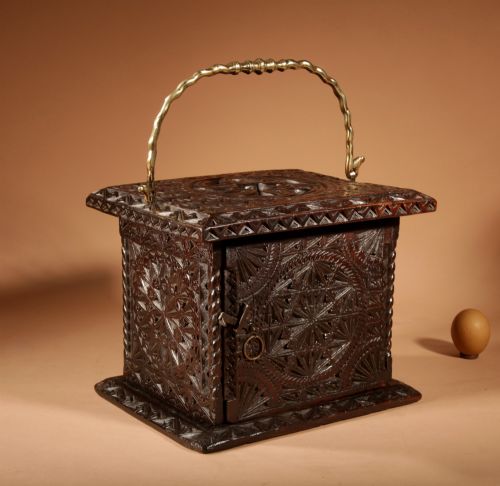
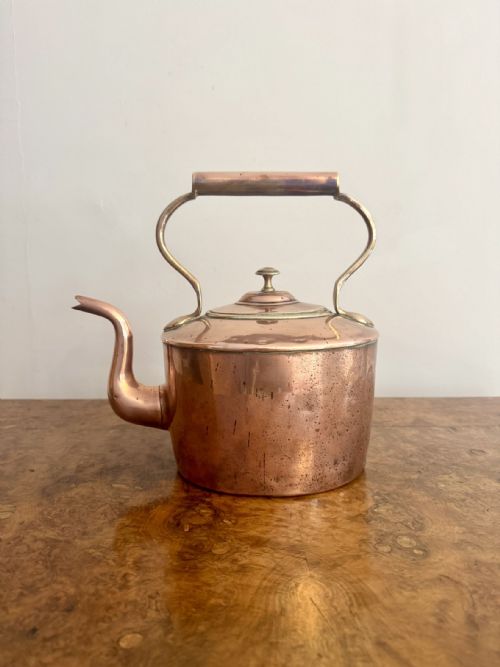
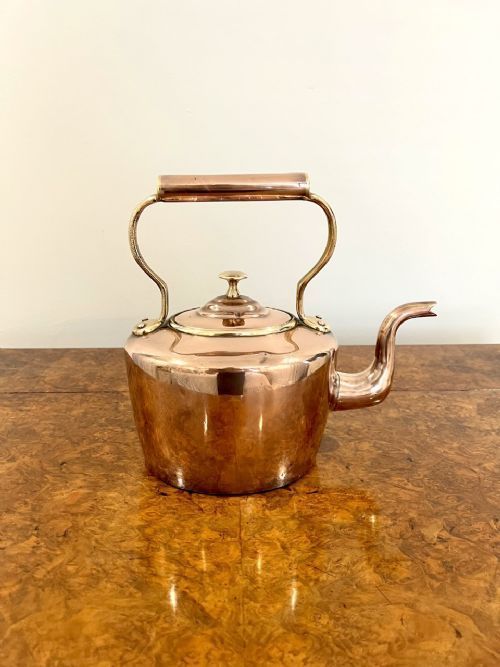
The selections on this page centre upon Dutch foot stoves featuring hand-embossed brass panels paired with oak frames. Alongside these, you find chip-carved wooden foot warmers from Frisian regions and George III copper kettles used for boiling water over the hearth.
How they were made
Makers constructed these foot warmers and hearth pieces using sheet brass, copper, and solid oak. Artisans embossed the brass panels by hand with decorative punches to form intricate patterns.
Woodworkers utilised oak for the frames, applying chip carving techniques to decorate the timber surfaces. Copper kettles were shaped from sheet metal with joined seams to withstand direct hearth heat.
Listings combine Dutch brass-embossed foot warmers, Frisian chip-carved oak pieces, and George III copper kettles.
What varies in quality
The distinction between ordinary and superior pieces rests upon the crispness of the hand embossing and the depth of the chip carving on the wooden frames. Sharply defined metal motifs and deeply cut timber patterns indicate more skilled workmanship.
Proportion and material thickness also separate standard items from finer examples. Heavier gauge copper and well-preserved brass panels demonstrate durability and greater care during original production.
The 18th Century Brass Stove Glossary
- Foot warmer
- A portable domestic appliance designed to hold hot coals inside a perforated container. These were placed beneath petticoats or near the feet to provide personal warmth in unheated rooms.
- Hand embossed
- A decorative technique where metal is hammered from the reverse side to raise a design in relief. Artisans used punches and hammers to create pictorial motifs on brass stove panels.
- Chip carved
- A method of wood ornamentation where small triangles or chips are removed from the surface with a knife or chisel. This creates geometric patterns across the oak bodies of Frisian pieces.
- George III
- The stylistic period spanning the reign of the British monarch from seventeen sixty heads to eighteen twenty. It encompasses specific forms of copper kettles and hearth equipment.
18th Century Brass Stove: Frequently Asked Questions
How did an 18th century brass stove work?
These devices functioned by holding a small pan of glowing embers taken from the main fireplace inside an insulated wooden box. Perforated brass lids allowed the heat to circulate upward while containing the ash.
Users placed their feet on or near the perforated top plate to stay warm during cold weather. The enclosed coals remained hot for hours within the small chamber.
Where were these foot warmers made?
Evidence shows origins in the Netherlands and Frisian regions alongside British copperware production. Dutch makers specialised in embossed brass mounted in wooden surrounds.
Regional workshops in Northern Europe developed distinct carving styles on the oak frames. This creates clear stylistic differences between continental foot warmers and British hearth items.
How do I clean brass and copper pieces?
Maintenance requires gentle dusting and occasional cleaning with non-abrasive metal polishes suitable for antiques. Scrubbing should be avoided to preserve the original patina and surface texture.
Wooden frames need only a soft cloth and occasional wax conditioning. Protecting the timber from excessive moisture keeps the oak stable.
Are these items safe to use daily?
These objects are valued as historical artefacts and decorative items rather than practical heating appliances. Placing hot coals inside fragile antique brass and wood can cause irreversible damage.
Collectors display them as hearth accessories or decorative centrepieces. They illustrate historical domestic life without active use.